


Franklin’s Ground Squirrel - Species Profile
Conservation • Description • Habitat • Ecology • Distribution • Taxonomy
Conservation Status
IUCN Red List
LC - Least Concern
NatureServe
N5 - Secure
SNR - Unranked
Minnesota
not listed
Species in Greatest Conservation Need
Description
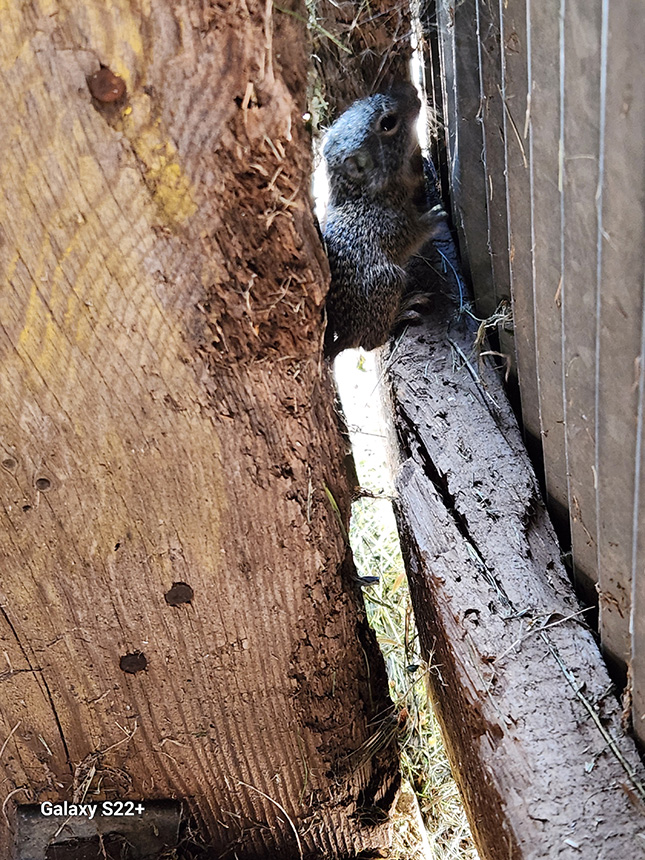
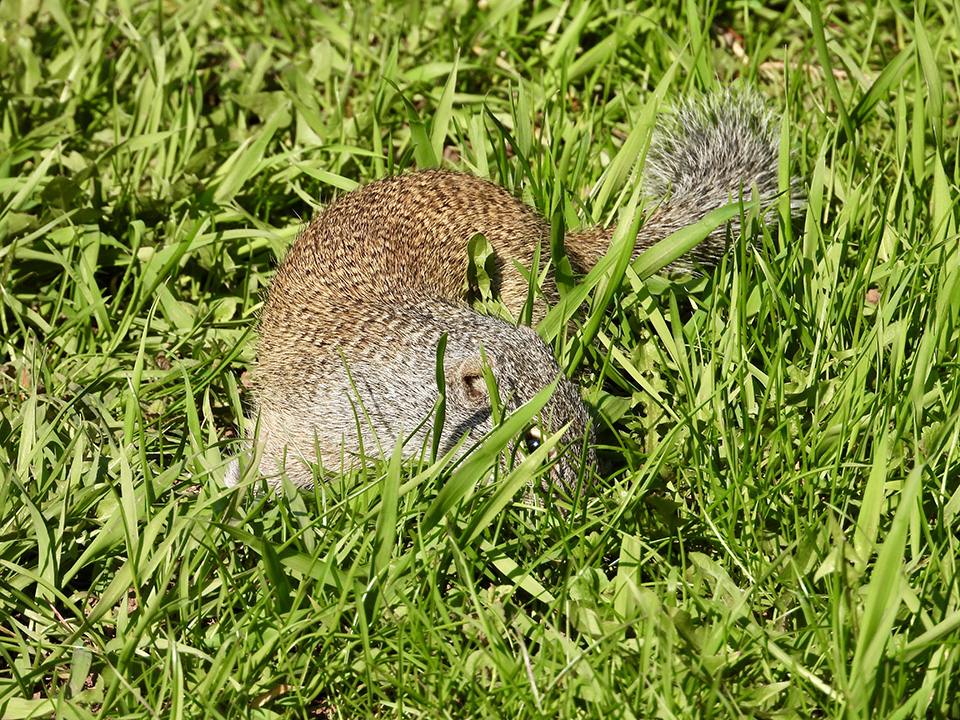
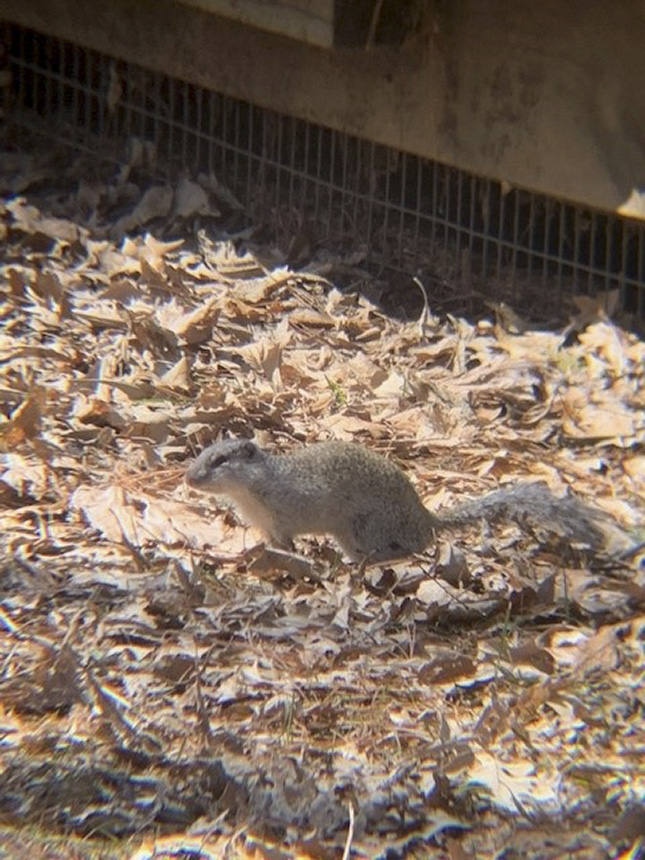
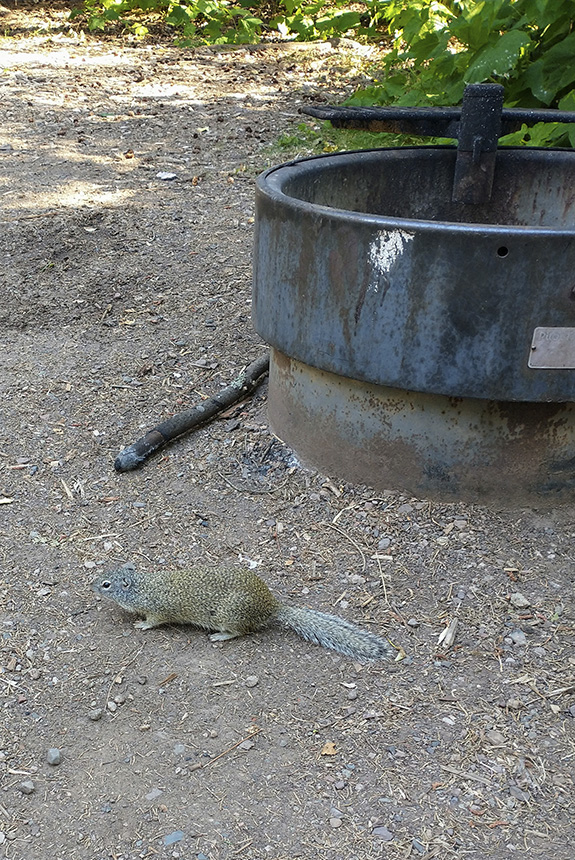
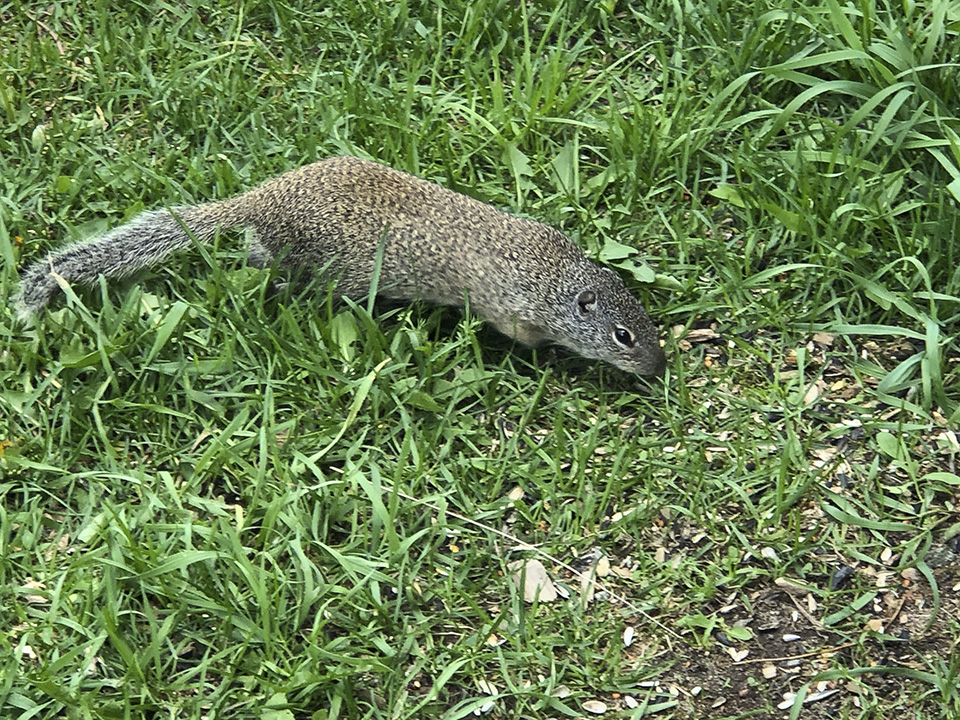
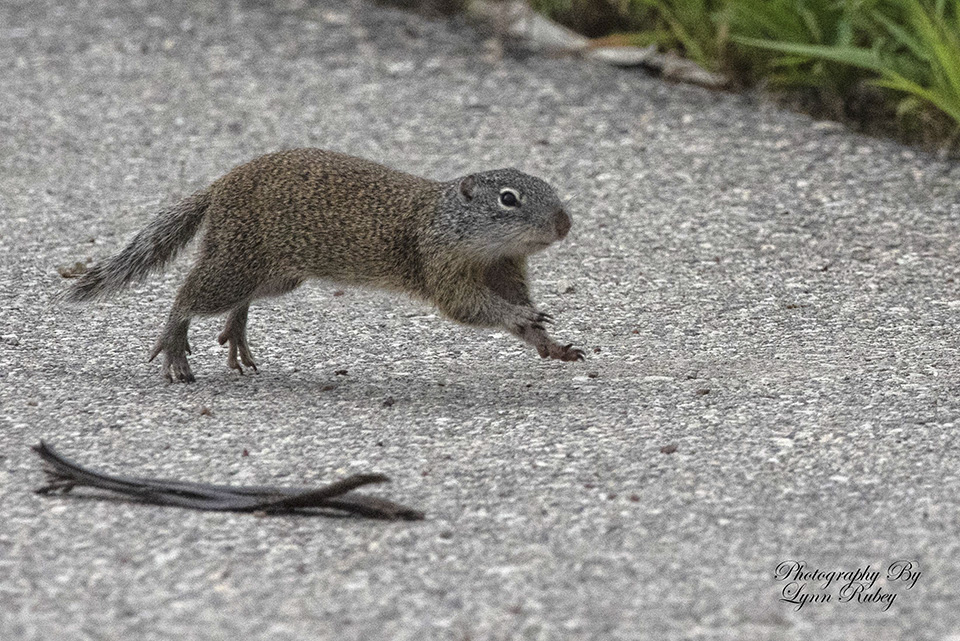
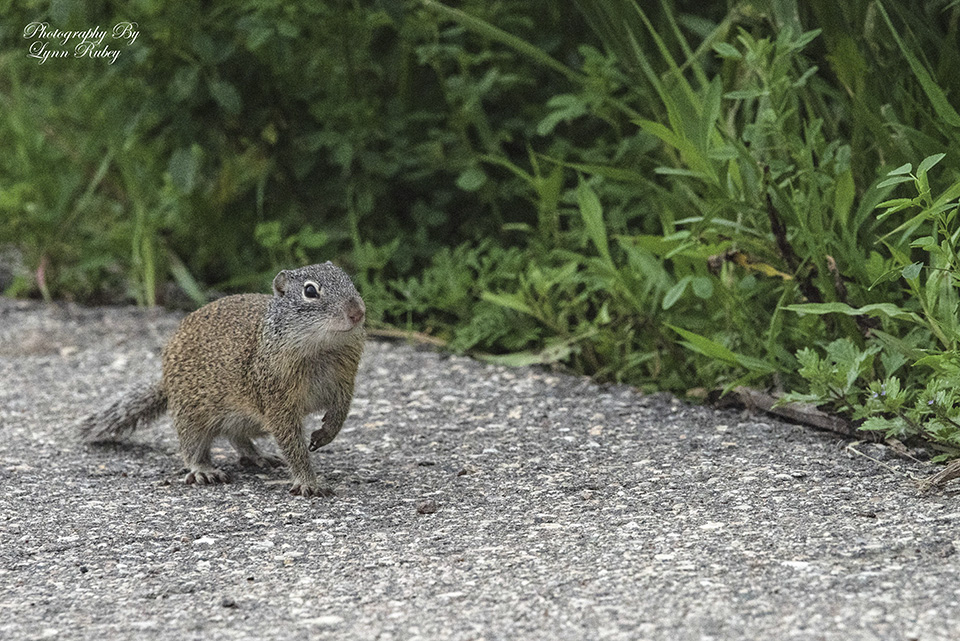
Franklin’s Ground Squirrel is a medium-sized squirrel but a large ground squirrel. It is the largest and darkest ground squirrel in its range. It occurs in the tallgrass prairie region in the United States from North Dakota and Minnesota in the north to Kansas and Indiana in the south, and in Canada from central Alberta to southern Manitoba. It is considered scarce in Minnesota. It is found in and around tallgrass prairies in areas with tall vegetation including edges of fields and prairies, open woodlands, and edges of marshes.
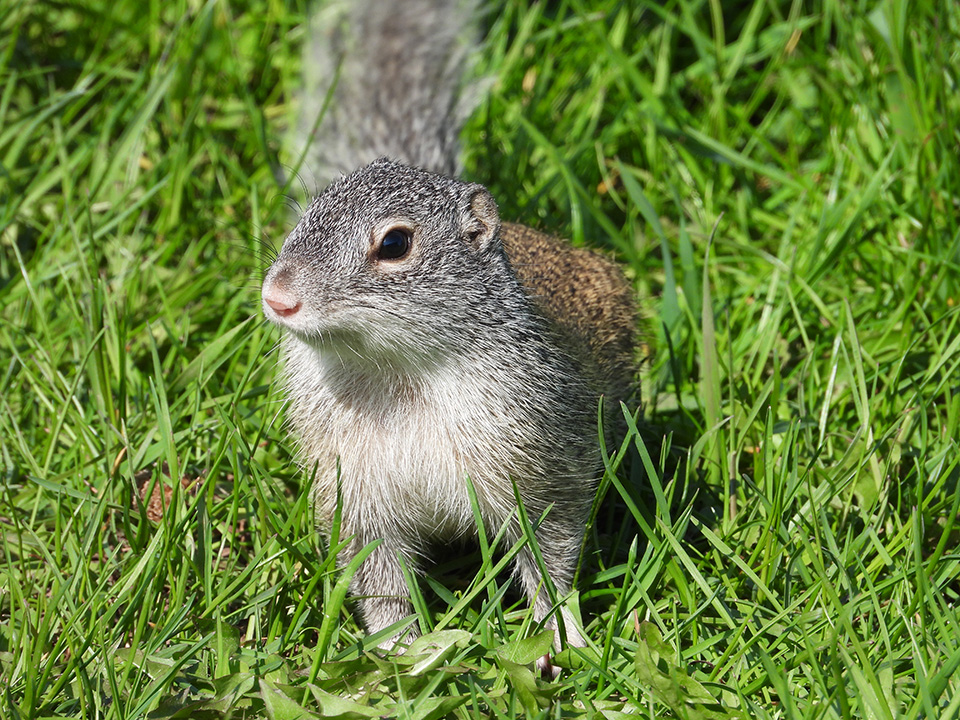
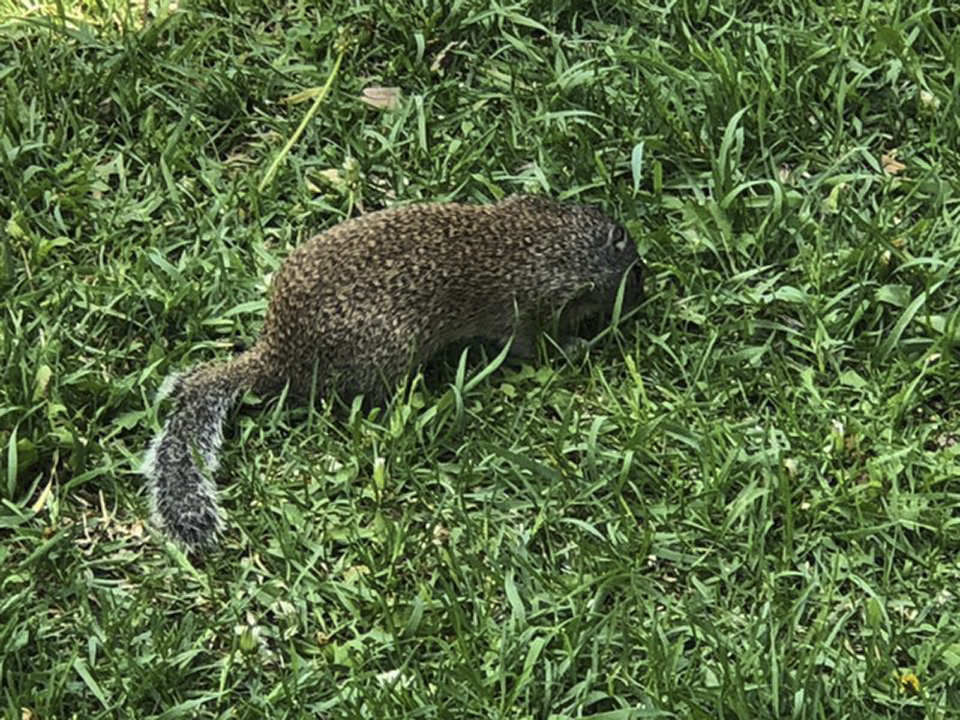
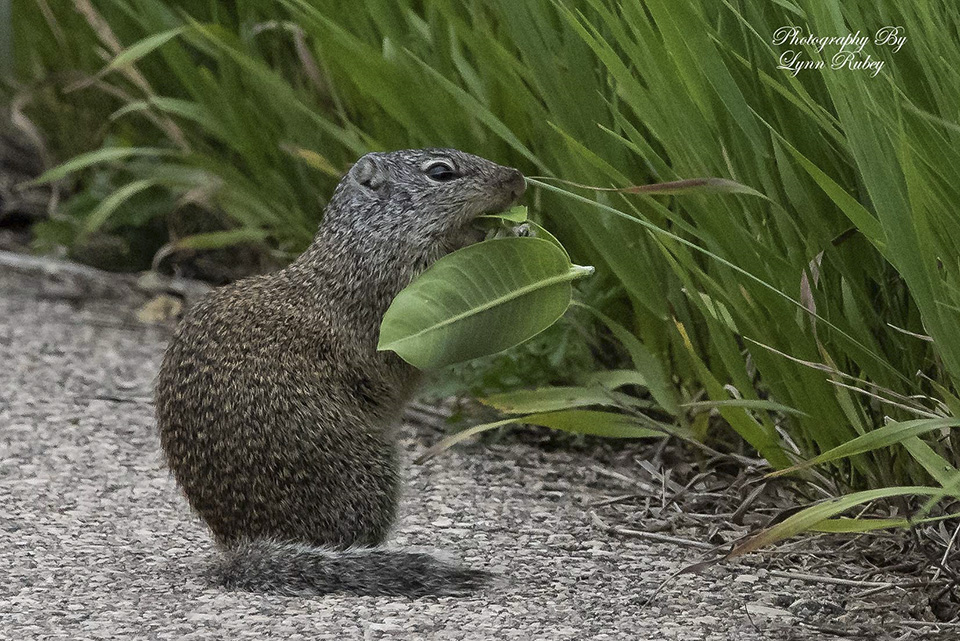
Franklin’s Ground Squirrel is superficially similar in appearance to an eastern gray squirrel but it is smaller and has a shorter, less bushy tail, shorter ears, and a more pointed snout. The body is slender, elongated, and 14″ to 16″ in total length, including a 4″ to 6″ tail. Males are heavier than females. The coat (pelage) is short and dark gray with pale and dark flecks. There is a brownish wash over the back and rump. The underside may be yellowish-white, gray, or brownish-gray. The ears are short and egg-shaped. The female has 10 to 12 mammae. The skull has 22 teeth.
Size
Total length: 14″ to 16″
Head and body: 9″ to 10″
Tail: 4″ to 6″
Sign
Similar Species
Habitat
Areas with tall vegetation; edges of fields and prairies, open woodlands, edges of marshes
Ecology
Behavior
Franklin’s Ground Squirrel spends most of its time in an underground burrow that can be up to 8 feet deep. It is tolerant of humans and can be seen at camp sights, in state parks, and at dumps. It does not stand upright when alarmed.
Lifespan
7.2 years (in captivity)
Life Cycle
Males hibernate from August to late March or April. Females enter hibernation later and emerge later in the spring.
Food
Omnivorous. Plant leaves, stems, seeds, and fruit; ground nesting bird eggs; insects; and small animals, including other ground squirrels.
Distribution |
||
|
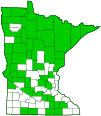
Sources Biodiversity occurrence data published by: Minnesota Biodiversity Atlas (accessed through the Minnesota Biodiversity Atlas Portal, bellatlas.umn.edu, 12/13/2025). Timm, R. M. 1975. Distribution, natural history, and parasites of mammals of Cook County, Minnesota. Occasional Papers, Bell Museum of Natural History, University of Minnesota 14:1–56. Hazard, Evan B. 1982. The Mammals of Minnesota. University of Minnesota Press, Minneapolis, Minnesota. 280 pp. The counties in light green lack modern records but have historic county or township specimens or records. |
|
| 12/13/2025 | ||
Occurrence |
||
|
||
Taxonomy
Class
Subclass
Theria
Infraclass
Placentalia (Placental Mammals)
Magnorder
Boreoeutheria
Superorder
Euarchontoglires (Primates, Rodents, and Allies)
Order
Rodentia (Rodents)
Suborder
Sciuromorpha (Squirrels, Dormice, and Mountain Beavers)
Family
Sciuridae (Squirrels)
Subfamily
Xerinae (Ground and African Tree Squirrels)
Tribe
Marmotini (Holarctic Ground Squirrels)
Genus
Poliocitellus (Franklin’s Ground Squirrels)
Monotypic genus
Franklin’s Ground Squirrel is the only species in the genus Poliocitellus.
Subordinate Taxa
Synonyms
Arctomys franklinii
Citellus franklinii
Spermophilus franklinii
Common Names
Franklin’s Ground Squirrel
Gray Gopher
Glossary
Pelage
The coat of a mammal, consisting of fur, wool, or hair, and including a soft undercoat and stiff guard hairs.