Two-striped grasshopper
(Melanoplus bivittatus)
Information
Conservation • Description • Habitat • Ecology • Distribution • Taxonomy

Conservation Status
IUCN Red List
not listed
NatureServe
NNR - Unranked
Minnesota
not listed
Description
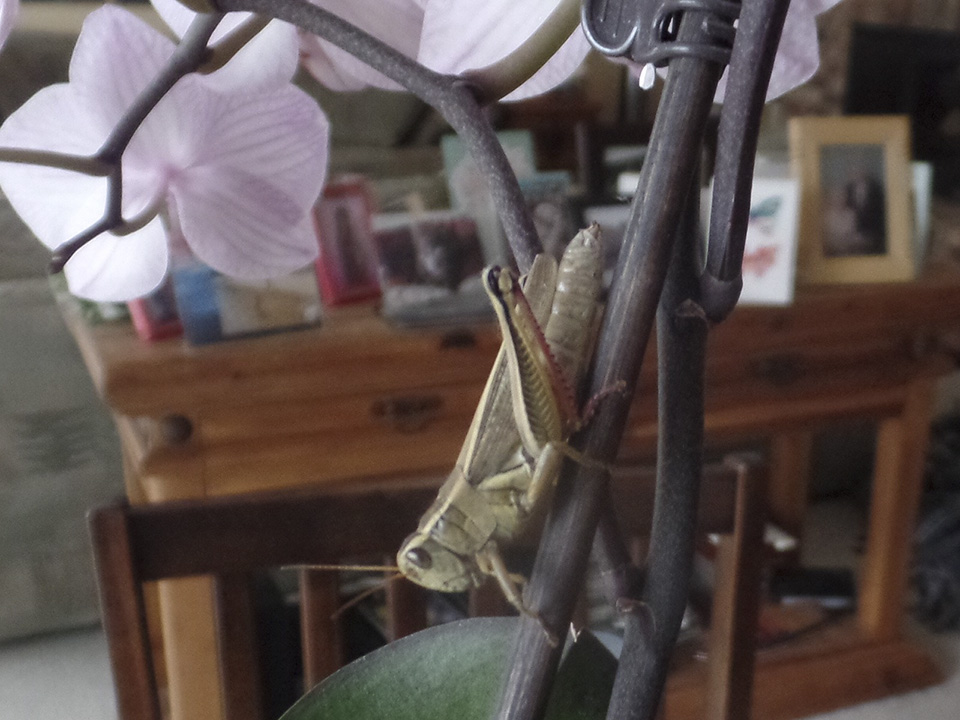
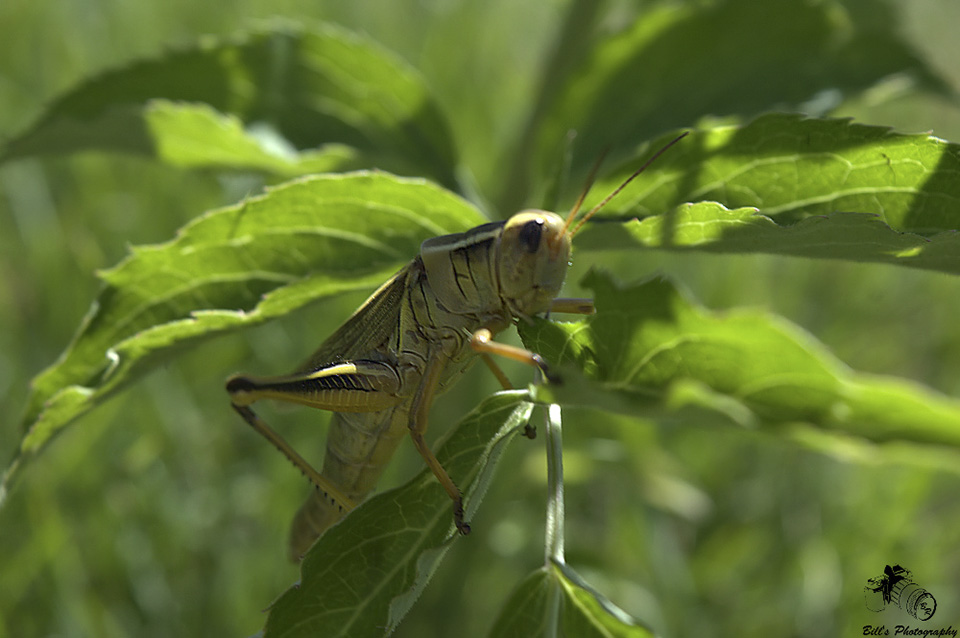
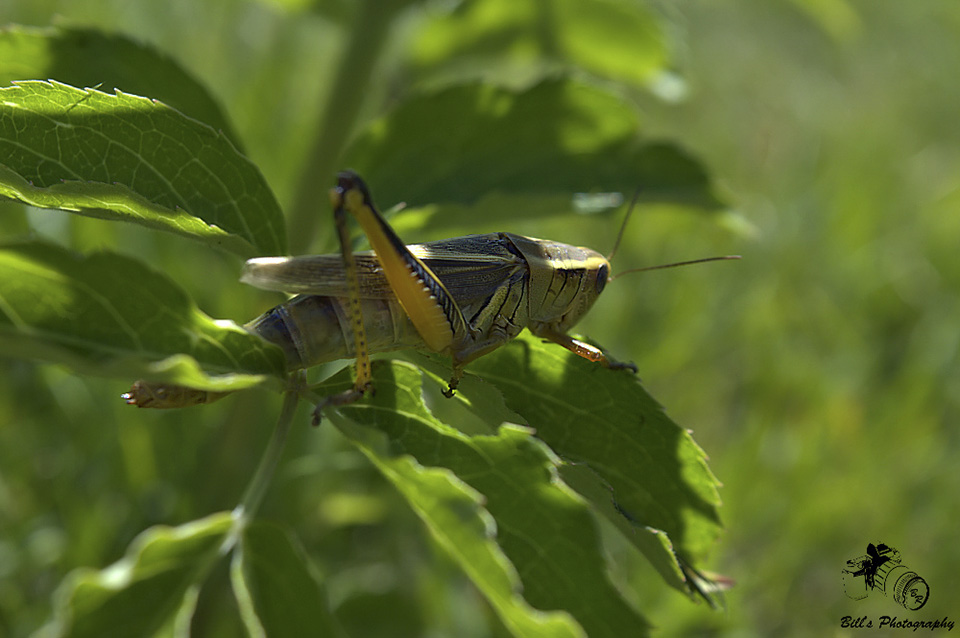
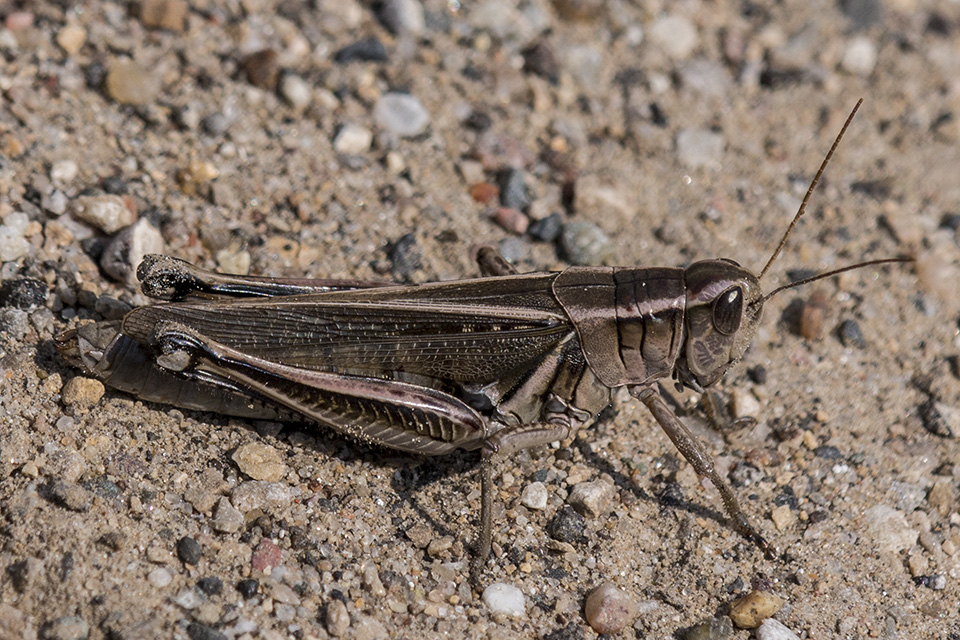
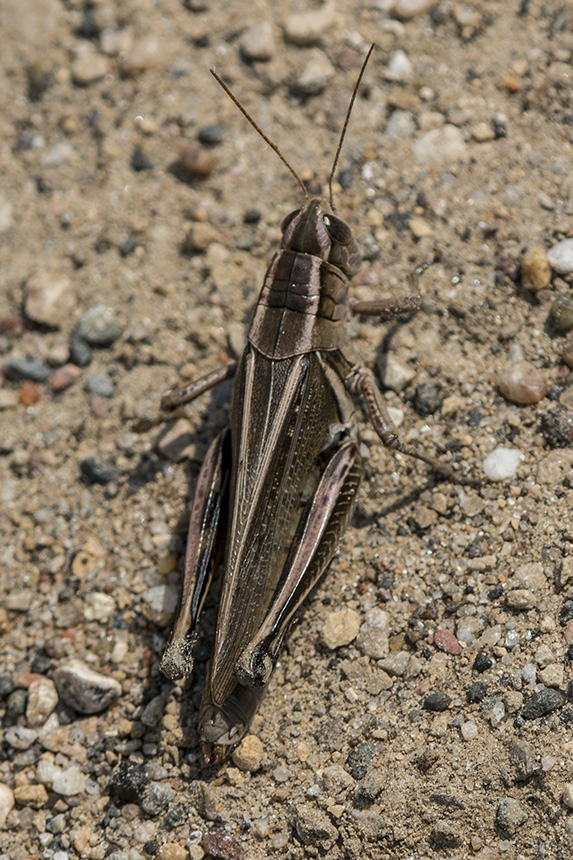
Two-striped grasshopper is a large, very common and widespread, long-winged, spur-throated, short-horned grasshopper. It is highly variable in appearance but a few distinctive features, and its near ubiquity, make it relatively easy to identify.
The overall coloration is usually yellowish-green to brown, rarely light green, with dark markings. The female is larger than the male.
The face is vertical. The top of the head (vertex) is rounded in profile. The antennae are yellowish-brown to brown and are no more than ½ the length of the body.
The plate covering the upper side of the thorax (pronotum) is flat above, not keeled, and broadly rounded at the end (posteriorly). It does not project over the abdomen. The upper side and upper lateral portions are blackish or brownish. A pair of yellow horizontal stripes extend from the above the compound eyes, over the head, and across the top of the lateral lobe of the pronotum, ending abruptly at the hindmost ridge (principle sulcus). There is a distinct, spiny bump (spur) at the base of the neck, between the base of the forelegs.
There is a pair of flat, round, hearing organs (tympani) on the sides of the first abdominal segment. The lower end plate beneath the genitalia (the subgenital plate) is bulbous. On the male, the top edge of the subgenital plate abruptly curves upward. The sensory appendages at the end of the abdomen (cerci) are roughly boot shaped. On the female the ovipositor is short.
The wings are long, brown or blackish, and well developed. They extend to the tip or almost to the tip of the abdomen when at rest. The forewings (tegmina) are dark and are not spotted. They have a pair of yellow, horizontal stripes that appear as a continuation of the stripes on the pronotum and head. The stripes converge at the end of the tegmina forming a triangle. The hindwings are clear, not banded or patterned, and are roughened on the upper surface.
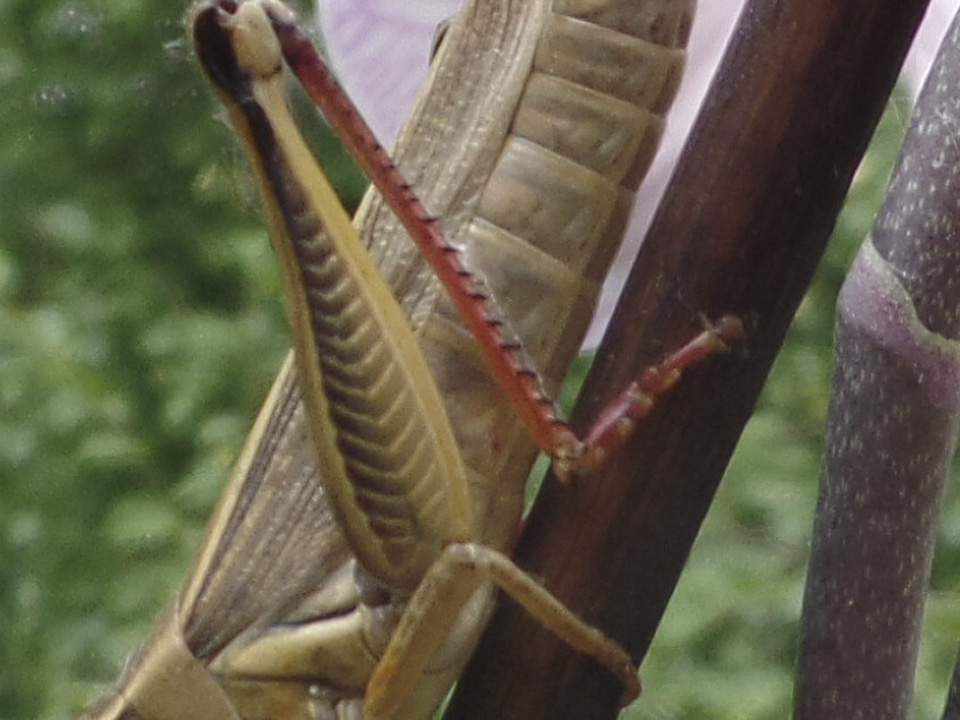
On the hind pair of legs, the outer face of the robust, third segment (femur) is dark on the upper half, dull yellow on the lower half. It is not banded. The dark and yellow regions are sharply demarcated. On all of the legs, the end section corresponding to the foot (tarsus) is divided into three segments and is arched in the middle. The color of the fourth segment (tibia) on the hind leg is highly variable. In the northern wooded areas of Minnesota, only individuals with pink hind tibia are found. In other areas of the state, the hind tibia may be pink, yellowish buff to orangish buff, half yellowish and half bluish, deep dull blue, greenish, or dark. They are never red. They have an outer row of 15 or more spines. The spines, at least at the tip, are black.
The description above refers to the middle western population, formerly subspecies Melanoplus bivittatus bivittatus. In the eastern and west coast populations, formerly subspecies Melanoplus bivittatus femoratus, the overall coloration is often green. The hind femur is not sharply bicolored and may have a herringbone pattern. The hind tibia are always red.
Size
Male: 1⅛″ to 1 3 ⁄16″
Female: 1 7 ⁄16″ to 2 3 ⁄16″
Similar Species
Habitat
Upland fields, wood margins, marshes.
Ecology
Season
Later June to early October
Behavior
They produce a low buzzing sound by rubbing the roughened hindwings against the hardened forewings.
Life Cycle
The female deposits a clutch of 50 to 108 eggs in the soil at the base of a plant. The eggs overwinter and hatch in the early spring.
Nymph Food
Shoots and other easily digested parts of the same plants that adults feed on.
Adult Food
A wide variety of mostly forbs but also grasses.
Distribution
Sources
Biodiversity occurrence data published by: Minnesota Biodiversity Atlas (accessed through the Minnesota Biodiversity Atlas Portal, bellatlas.umn.edu. Accessed 1/23/2026).
Haarstad, J. 1990. The Acrididae of Minnesota. Final report submitted to the Minnesota Department of Natural Resources. 28 pp.
Hebard, Morgan. (1932). The Orthoptera of Minnesota. University of Minnesota. Minnesota Agricultural Experiment Station. Retrieved from the University of Minnesota Digital Conservancy, https://hdl.handle.net/11299/204015.
Occurrence
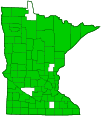
Very common and very widespread across North America. Common throughout Minnesota.
Taxonomy
Order
Orthoptera (Grasshoppers, Crickets, and Katydids)
Suborder
Caelifera (Grasshoppers, Locusts, and Allies)
Infraorder
Acrididea (Grasshoppers)
Nanorder
Acridomorpha
Superfamily
Acridoidea (Short-horned Grasshoppers and Locusts)
Family
Acrididae (Short-horned Grasshoppers)
Subfamily
Melanoplinae (Spur-throated Grasshoppers)
Tribe
Melanoplini
Genus
Melanoplus (North American spur-throated grasshoppers)
Superspecies
bivittatus
Subordinate Taxa
Until recently, two subspecies were recognized; Melanoplus bivittatus femoratus, the eastern and west coast subspecies, and Melanoplus bivittatus bivittatus, the interior west subspecies. Most sources now follow Orthoptera Species File (OSF) in not recognizing any subspecies of Melanoplus bivittatus.
Synonyms
Acridium bivittatus
Acridium femoratum
Acridium flavovittatum
Acridium milberti
Acrydium flavovittatum
Caloptenus bivittatus
Caloptenus femoratus
Gryllus bivittatus
Heteracris rejecta
Heteracris vitticeps
Heteracris vittipes
Melanoplus bivittatus bivittatus
Melanoplus bivittatus femoratus
Pezotettix bivittatus
Pezotettix edax
Podisma edax
Schistocerca milberti
Common Names
two-striped grasshopper
yellow-striped grasshopper
Photos
Visitor Photos
Share your photo of this insect.
This button not working for you?
Simply email us at info@MinnesotaSeasons.com.
Attach one or more photos and, if you like, a caption.
Nancy Falkum


Minnesota Seasons Photos
Slideshows
Slideshows
Two-striped Grasshopper (Melanoplus bivittatus)
Andree Reno Sanborn
Videos
Visitor Videos
Share your video of this insect.
This button not working for you?
Simply email us at info@MinnesotaSeasons.com.
Attach a video, a YouTube link, or a cloud storage link.
Other Videos
Two-striped Grasshopper
AudubonGuides
Two-striped Grasshopper (Acrididae: Melanoplus bivittatus) Preparing to Oviposit
Carl Barrentine
Two-striped Grasshopper (Acrididae: Melanoplus bivittatus) Mating
Carl Barrentine
Two-striped Grasshopper (Acrididae: Melanoplus bivittatus) Female
Carl Barrentine
Sightings
Visitor Sightings
Report a sighting of this insect.
This button not working for you?
Simply email us at info@MinnesotaSeasons.com.
Be sure to include a location.
Luciearl
8/24/2024

Location: Fairview Twp.
grasshopper on marigold
Nancy Falkum
8/20/2024

Location: Oronoco Prairie SNA
Wild White Indigo ‘Baptisia lactea’ w/ Grasshopper
Luciearl
September 2023
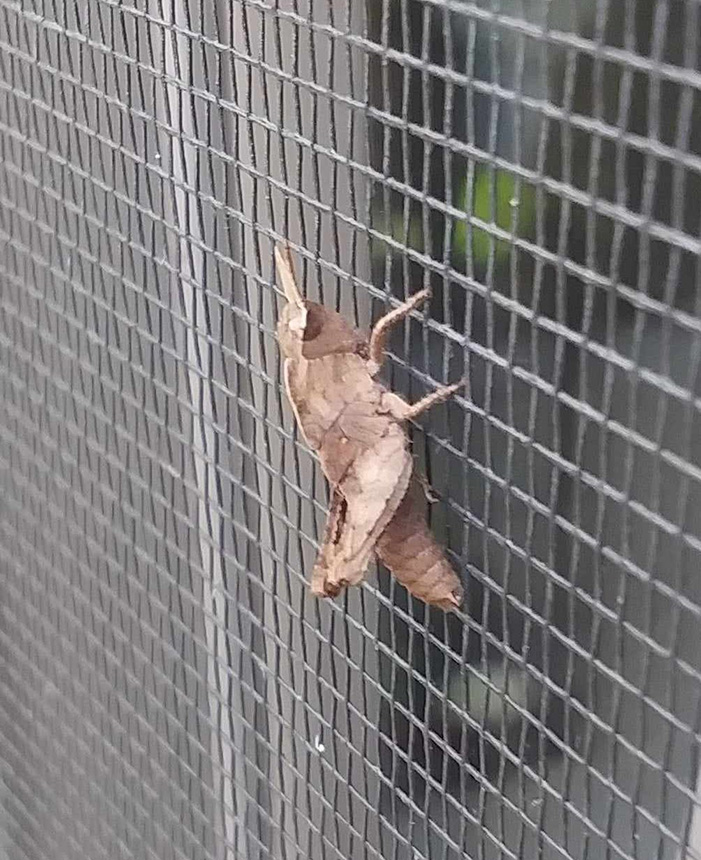
Location: Lake Shore
Alfredo Colon
8/7/2022
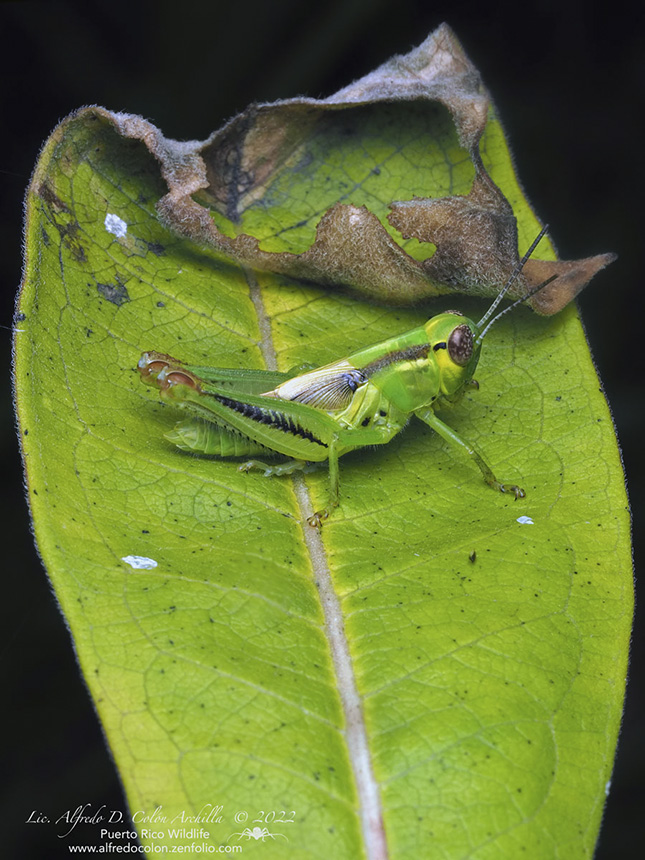
Location: Albany, NY
Luciearl
6/28/2022

Location: Lake Shore
Scott Bemman
Summer 2020
Location: Hayes Lake State Park
Luciearl
7/26/2020
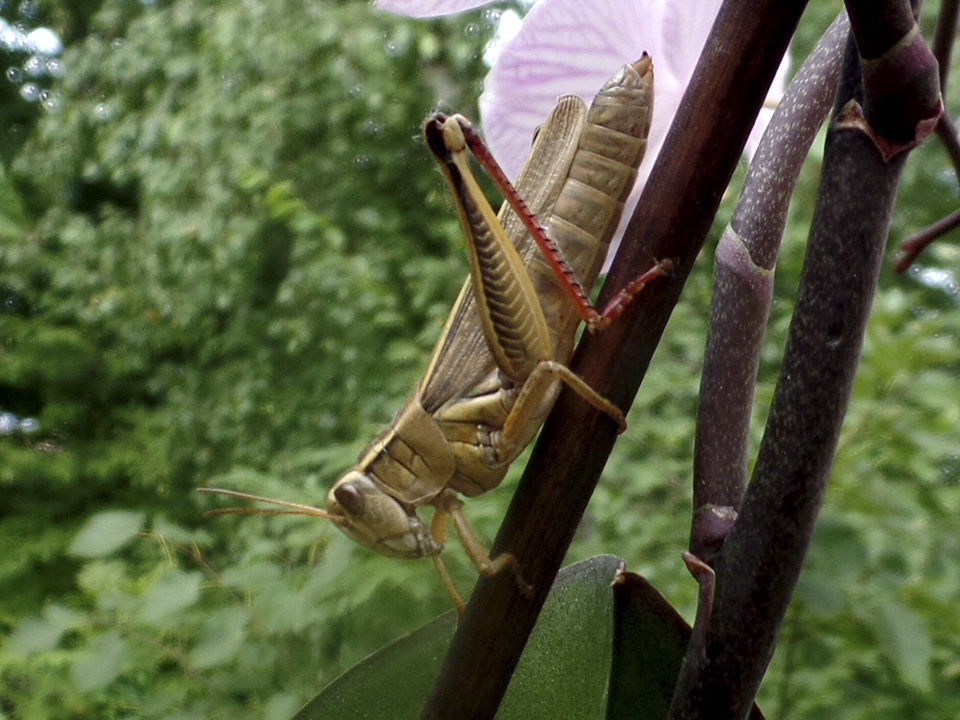
Location: Cass County
Alfredo Colon
8/9/2019
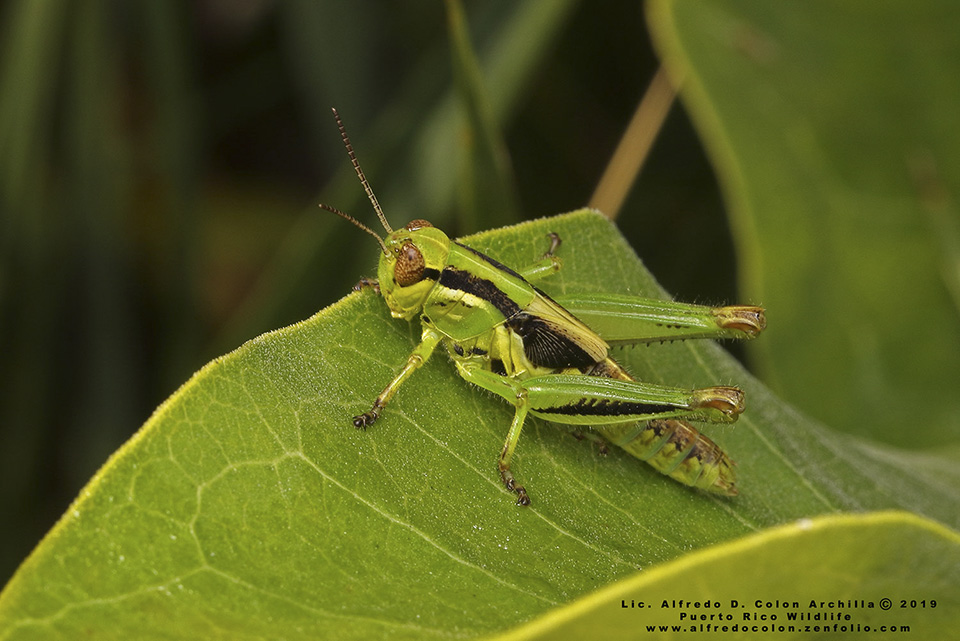
Location: Woodbury, Minnesota
Bill Reynolds
8/4/2017
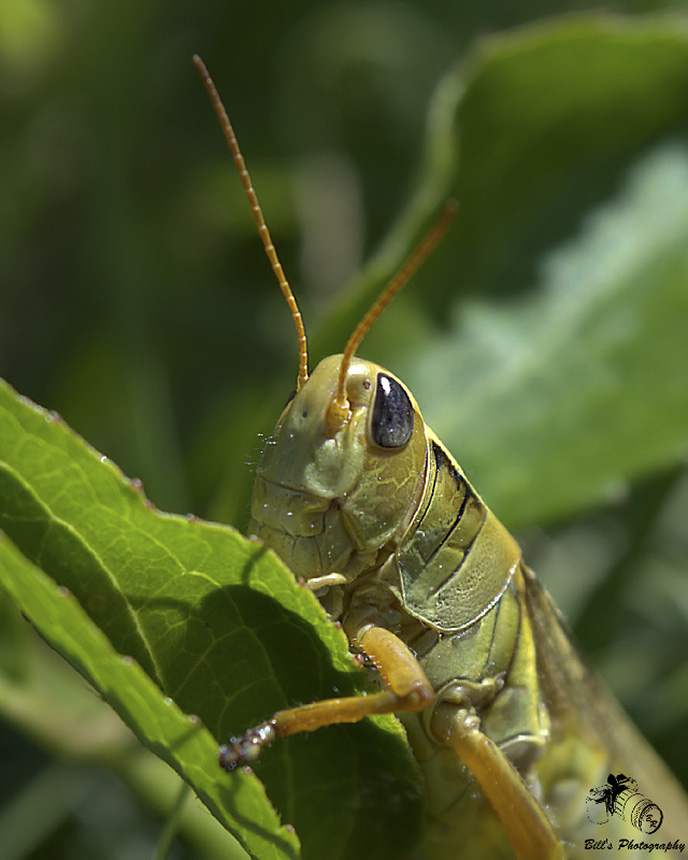
Location: Pennington Co.
Female. She is chewing on Elderberry leaves.