



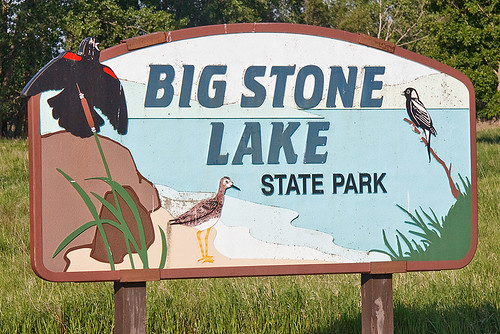
Big Stone Lake State Park
About • Location • Activities • Ecology
About |
Ownership |
|
Links |
Overview |
|
History |
|
Management |
|
Comments |
|

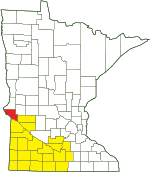
Location |
||||||||||||||||||||||||||||||
Size |
||||||||||||||||||||||||||||||
1,131 acres statutory, 992 owned |
||||||||||||||||||||||||||||||
Driving Directions |
||||||||||||||||||||||||||||||
|
||||||||||||||||||||||||||||||
Parking |
||||||||||||||||||||||||||||||
35889 Meadowbrook State Park Road Bonanza Area Meadowbrook Area (park office) Overlook Area |
||||||||||||||||||||||||||||||
Hours |
||||||||||||||||||||||||||||||
Daily from 8 a.m. until 10 p.m. |
||||||||||||||||||||||||||||||
Fees |
||||||||||||||||||||||||||||||
Daily park permit: $7 Annual park permit: $35 |
||||||||||||||||||||||||||||||
Maps |
||||||||||||||||||||||||||||||


Activities |
||||||
Hiking Biking Mountain biking Horseback riding Picnicking Camping Backpacking Rock climbing and bouldering Swimming Boating Canoeing Birding Nature photography Geocaching Cross country skiing Skate-skiing Winter hiking Snowshoeing Snowmobiling |
||||||
Trails |
||||||
|
||||||
Hunting and Fishing |
||||||
No hunting. The park may hold one or more managed hunts in the fall. In most cases, Minnesota residents do not need a permit to fish in Minnesota State Parks. |
Ecology |
|||||
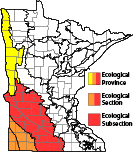
Ecological Classification |
 |
||||
| Ecological Province |  |
Prairie Parkland Province |
|||
| Ecological Section |  |
North Central Glaciated Plains |
|||
| Ecological Subsection |  |
Minnesota River Prairie |
|||
| Land Type Association | Horton Till Plain Milan Alluvial Plain |
||||
Native Plant Communities* |
|||||
Dry Hill Prairie (Southern) Mesic Prairie (Southern) Wet Prairie (Southern) |
|||||
| * Source: The Minnesota Biological Survey, Minnesota Department of Natural Resources, Division of Ecological Resources | |||||
Natural Features |
|||||
|
|||||
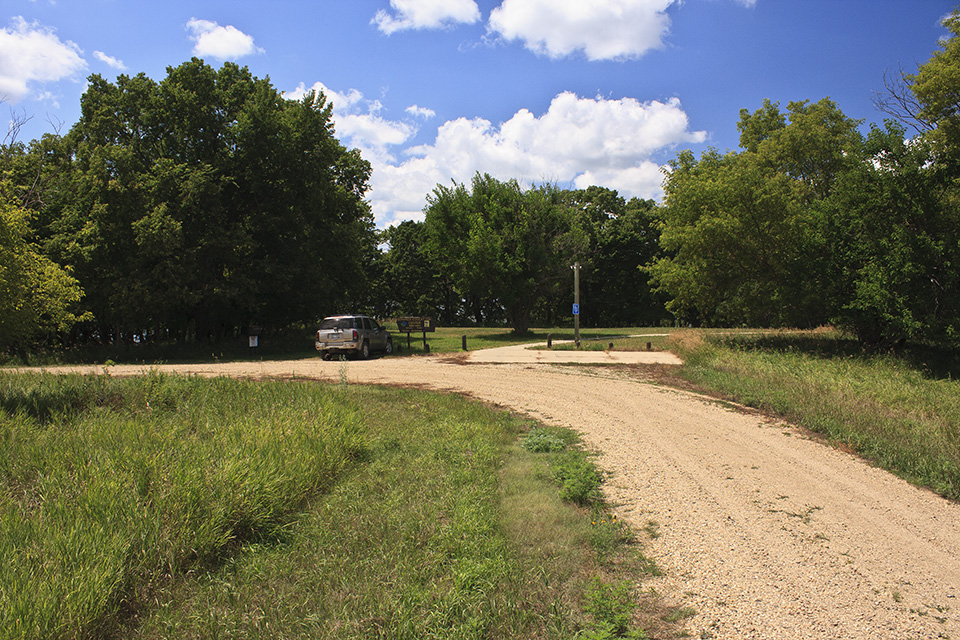
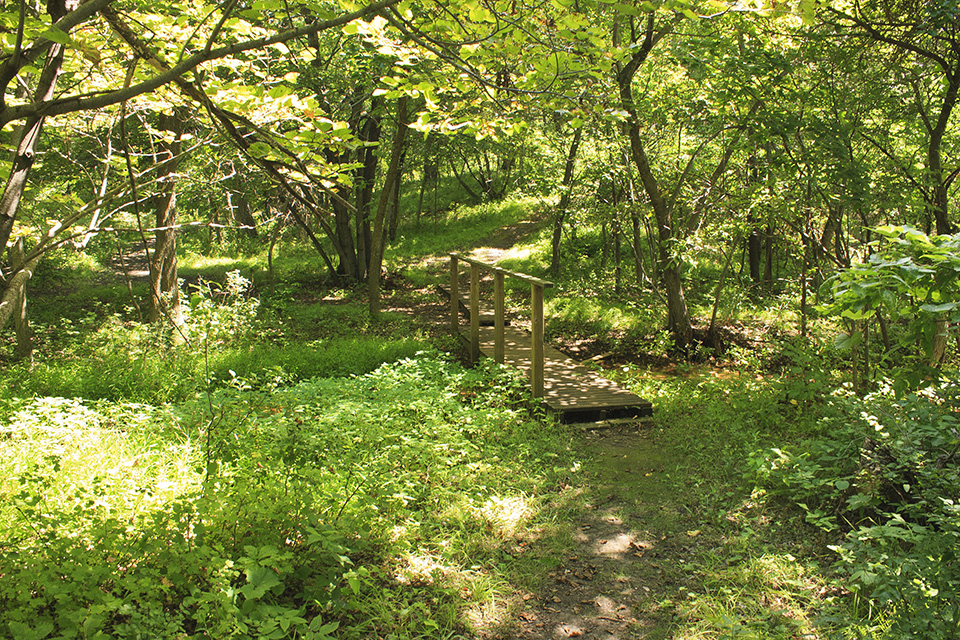
Bonanza Area
Bonanza Prairie SNA lies within the borders of this park in the Bonanza Area.
Meadowbrook Area
The Meadowbrook Area contains the park office, boat landing, and camping area but is otherwise undeveloped.
Visitor Photos |
||
Share your photo of this destination. |
||
This button not working for you? |
||
|
||
|
||
MinnesotaSeasons.com Photos |
||
 |
 |
|
Bonanza Area |
|
|
 |
||
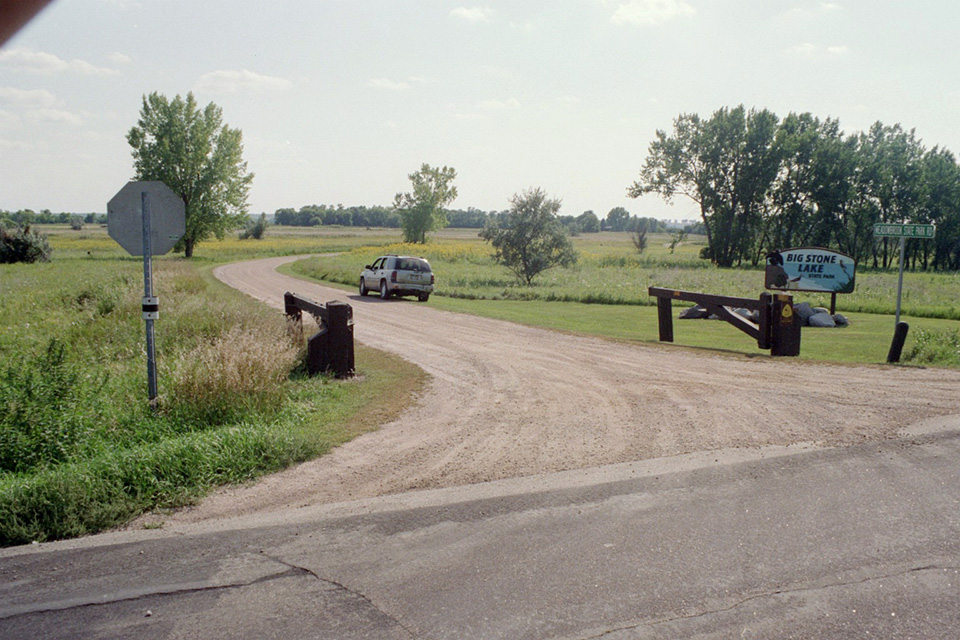
Bonanza Area |
||
 |
 |
|
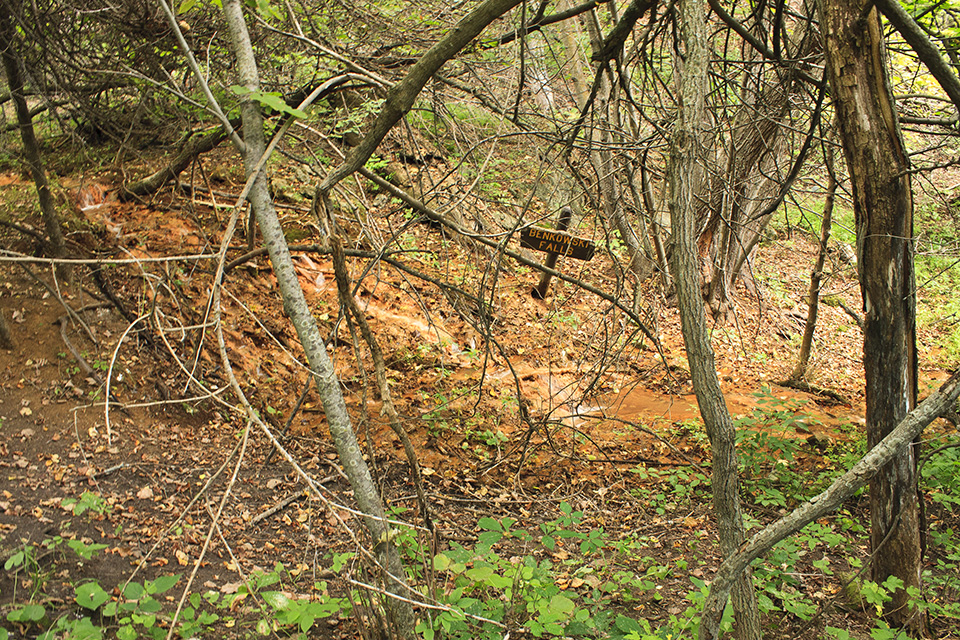
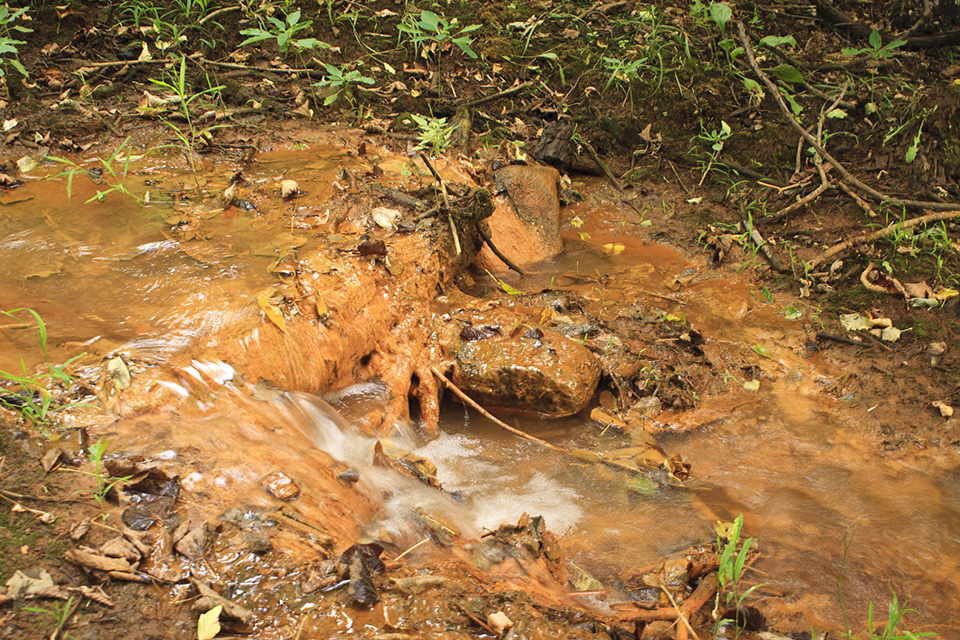
Benkowski Falls |
||
 |
 |
|
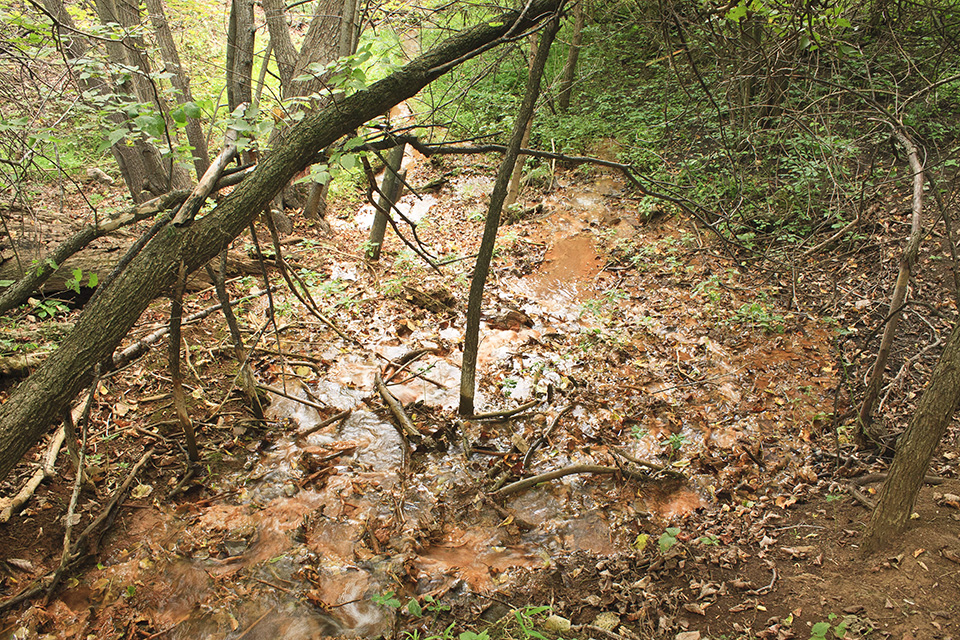
Benkowski Falls |
Meadowbrook Area | |

Slideshows |
Big Stone Lake State Park |
|
About
Big Stone Lake State Park, MN |
Visitor Videos |
||
Share your video of this destination. |
||
This button not working for you? |
||
|
Other Videos |
||
Scenic Walk along Big Stone State Park's Bonanza-Lake Traverse Shoreline |
About
Uploaded on Feb 6, 2009 Taking a long scenic walk along the shoreline of Lake Traverse (headwaters of Minnesota River) at Big Stone State Park's "Bonanza Grove" on September 27th of 2008. Earlier I was listening to the Twins vs. White Sox (regular season) game, which we lost (losing the chance to "clinch" the central division title)! http://bigstone.goodnewsminnesota.info/ |

Visitor Sightings |
|
Share your sightings or comments about of this destination. |
|
This button not working for you? |
|
Lynn Rubey |
||
Insects and Arachnids |
||
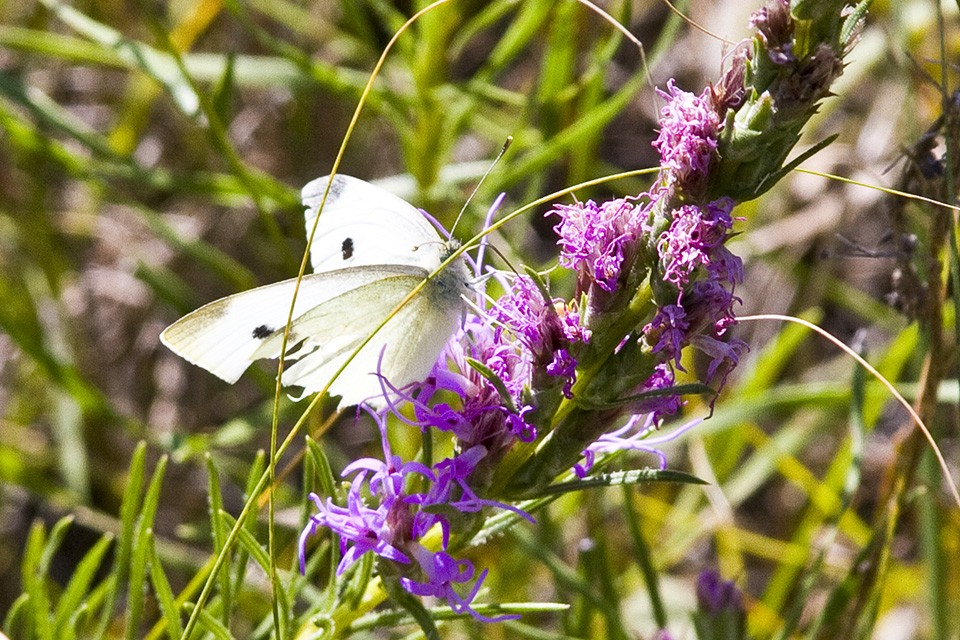
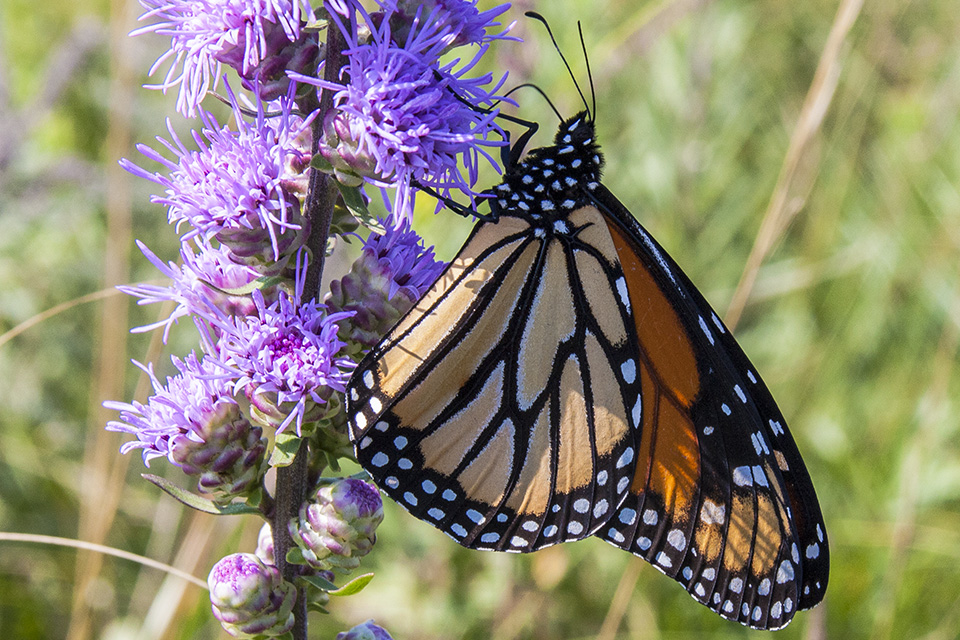
| Painted Lady (Vanessa cardui) | 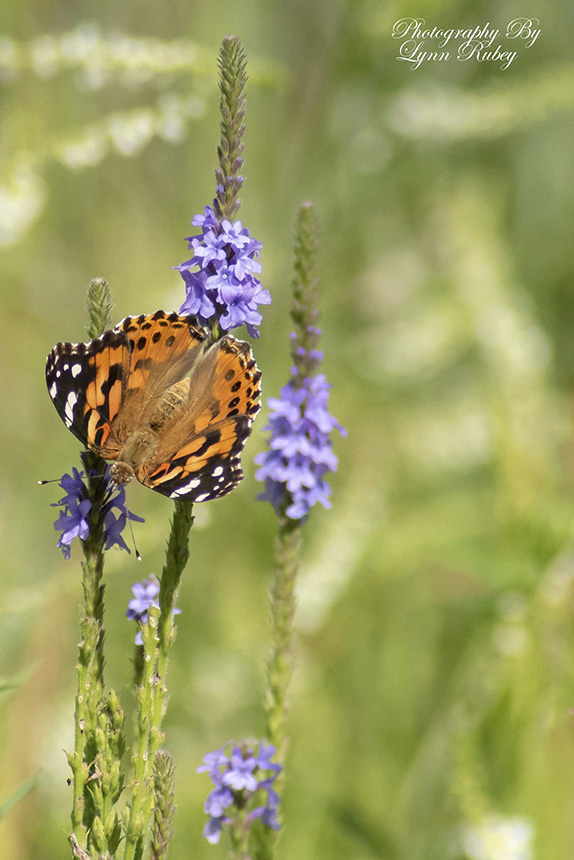 |
|
Mammals |
||
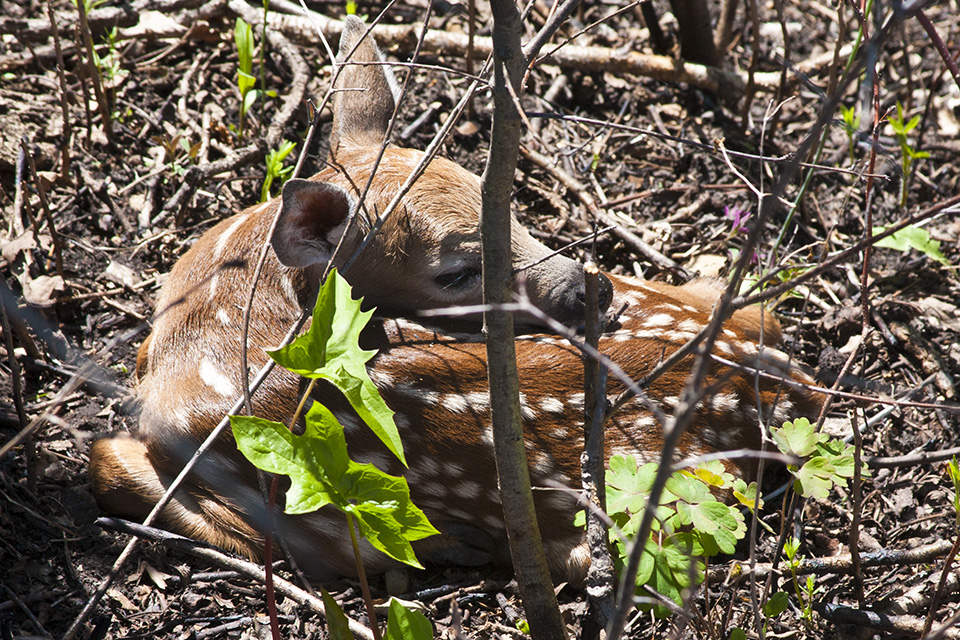
| White-tailed Deer (Odocoileus virginianus) | 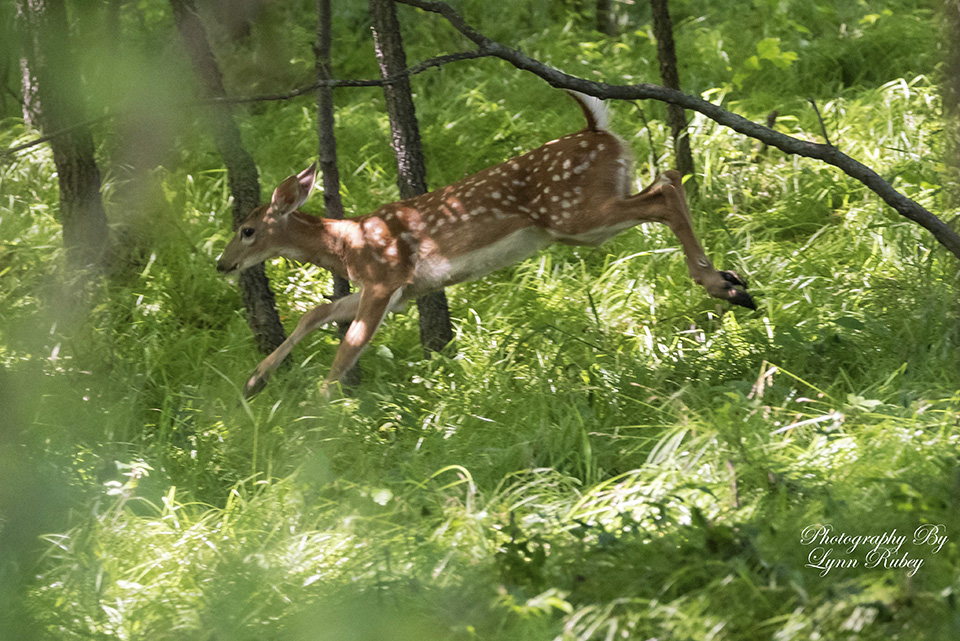 |
|
MinnesotaSeasons.com Sightings |
Visits |
9/4/2009 7/27/2012 |
Amphibians |
||
 |
||
Birds |
||||||||||||
|
||||||||||||
American Crow (Corvus brachyrhynchos) Black-capped Chickadee (Poecile atricapillus) Eastern Wood-peewee (Contopus virens) Field Sparrow (Spizella pusilla) Mourning Dove (Zenaida macroura) Pied-billed Grebe (Podilymbus podiceps) |
|
|||||||||||


Fishes |
||
|
||
Fungi and Lichens |
||
| Black Knot (Apiosporina morbosa) | 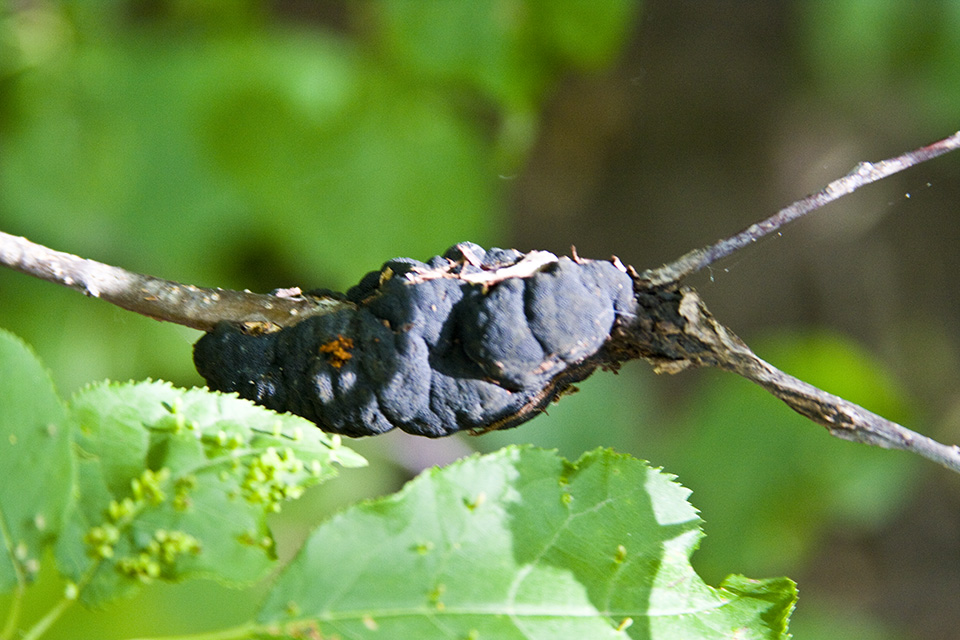 |
|
Insects and Arachnids |
||
|
Carolina grasshopper (Dissosteira carolina) convergent lady beetle (Hippodamia convergens) dog day cicada (Neotibicen canicularis) |
|
|
Mammals |
||
American Red Squirrel (Tamiasciurus hudsonicus) |
 |
|
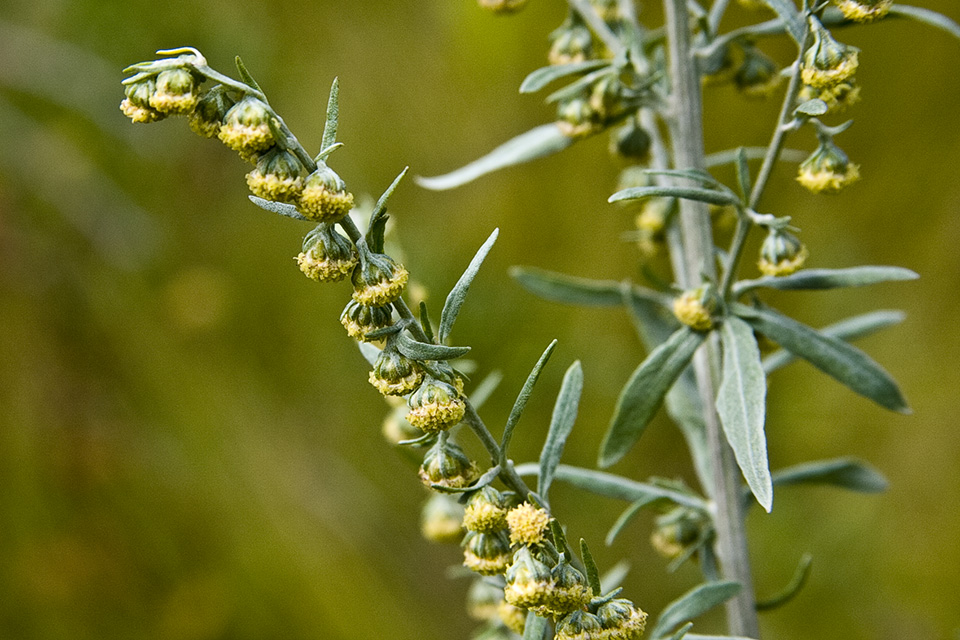
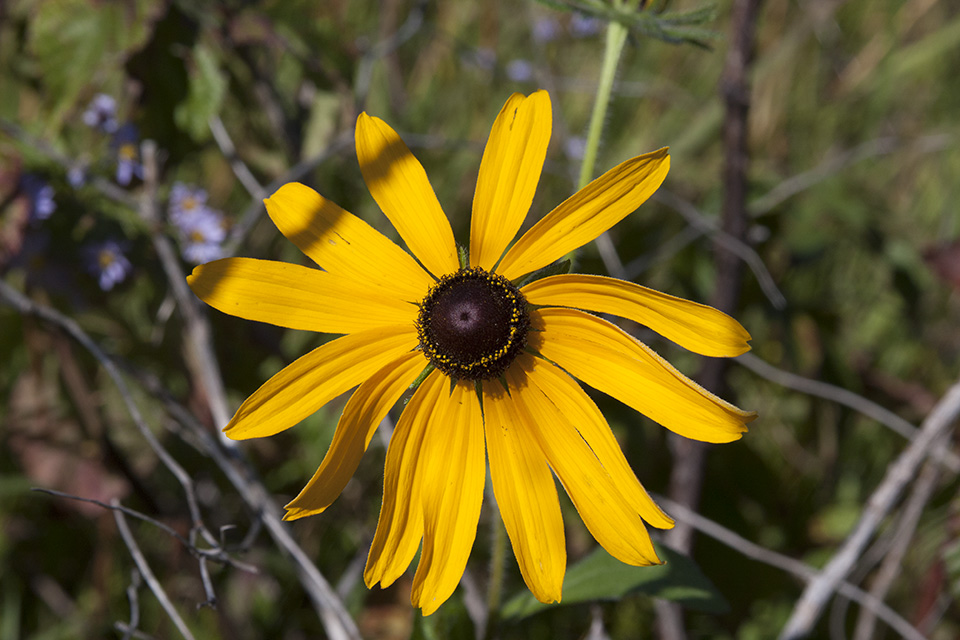


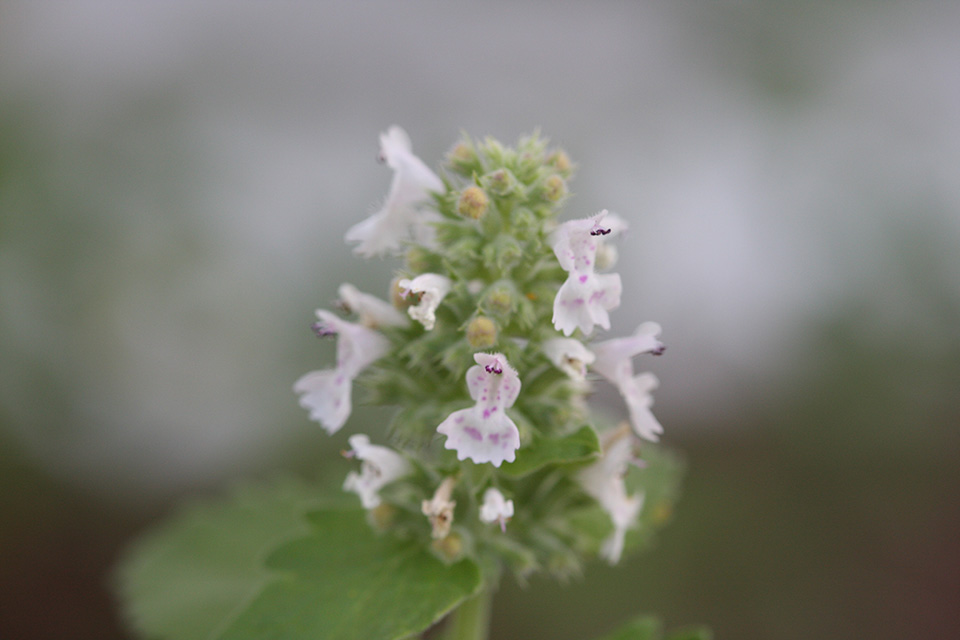

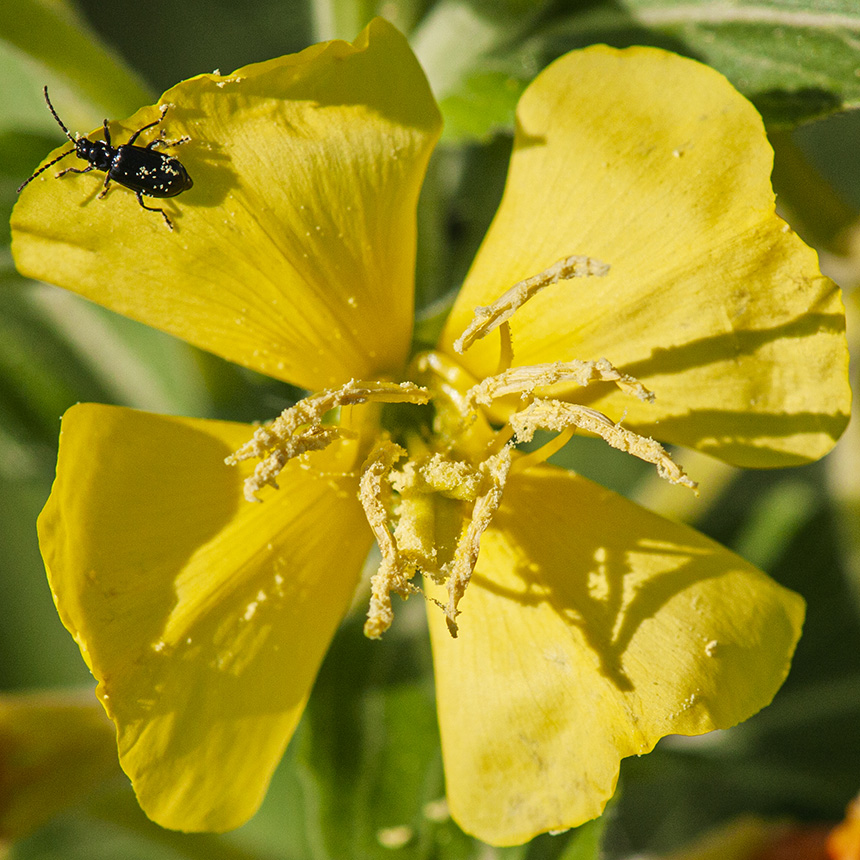
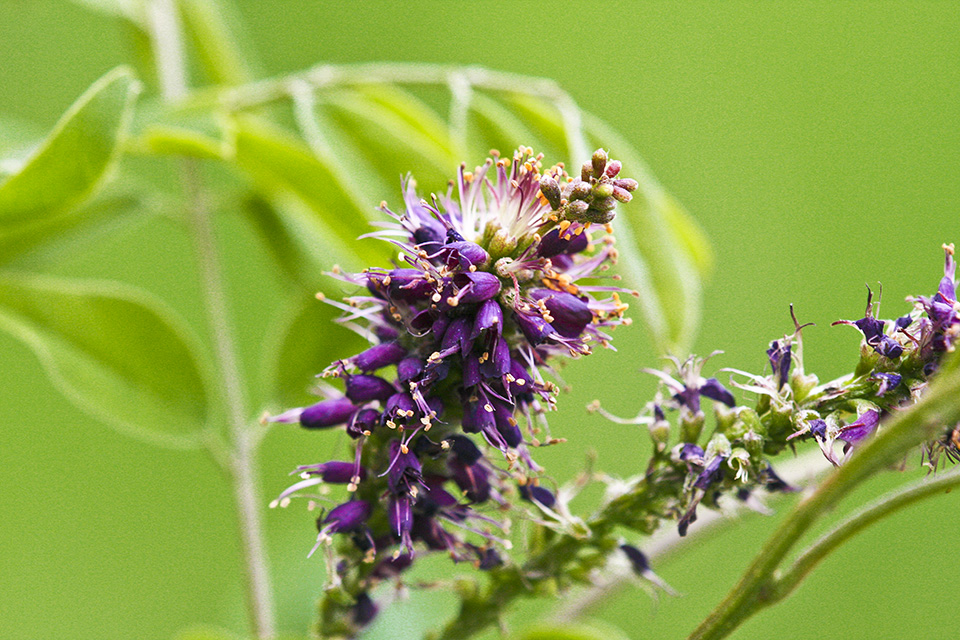

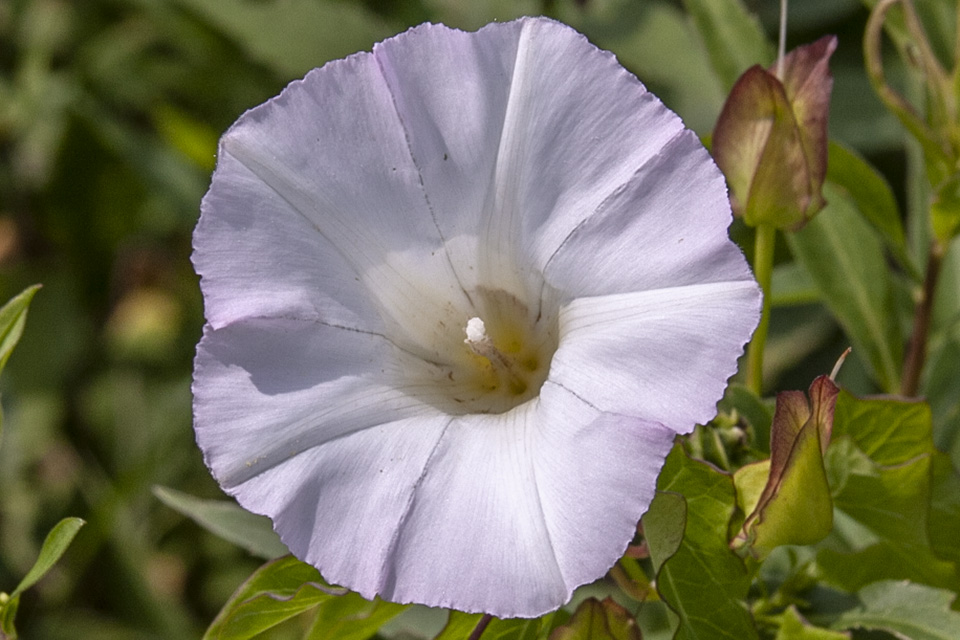
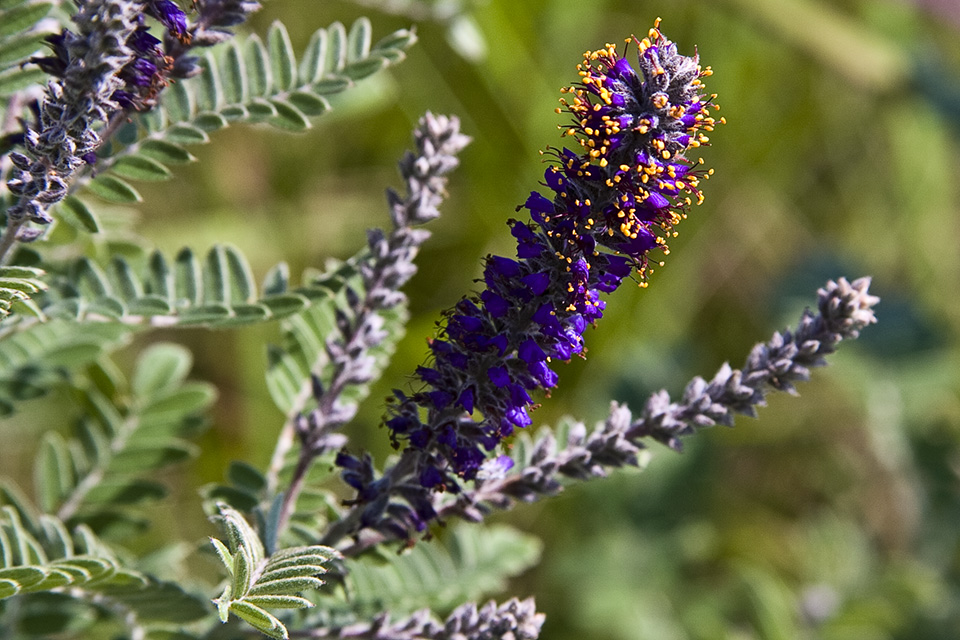

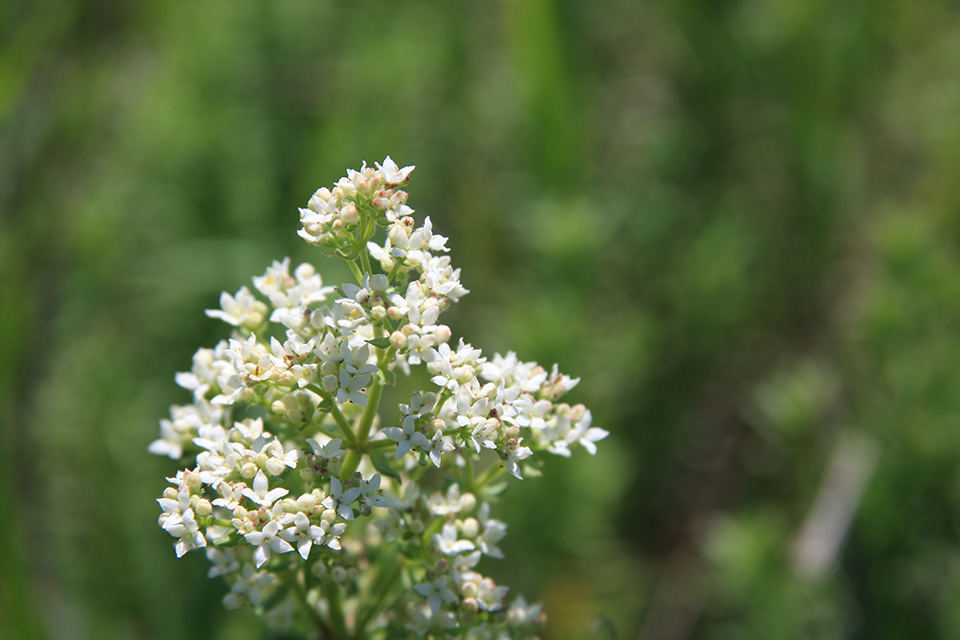


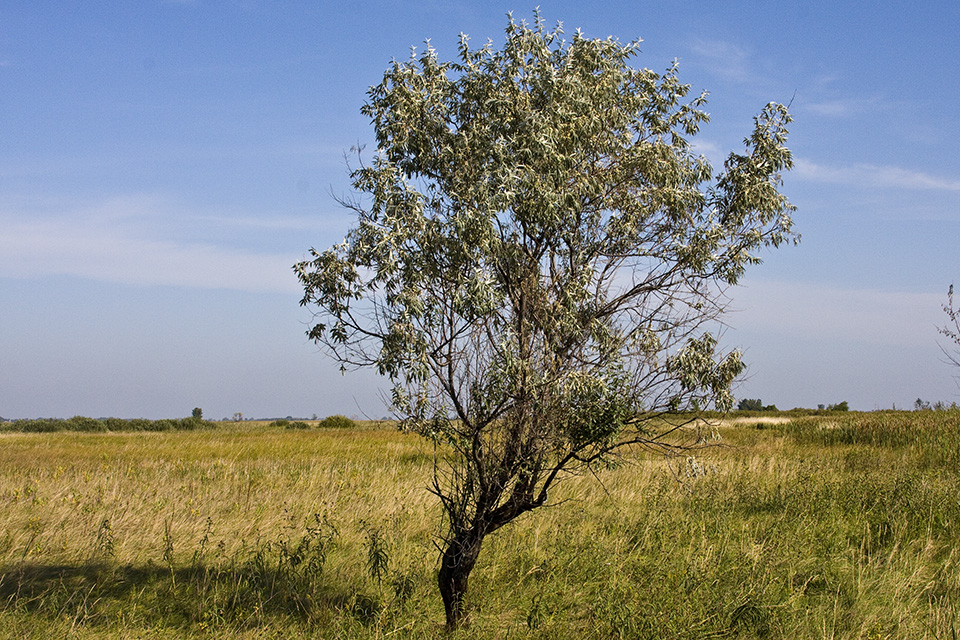
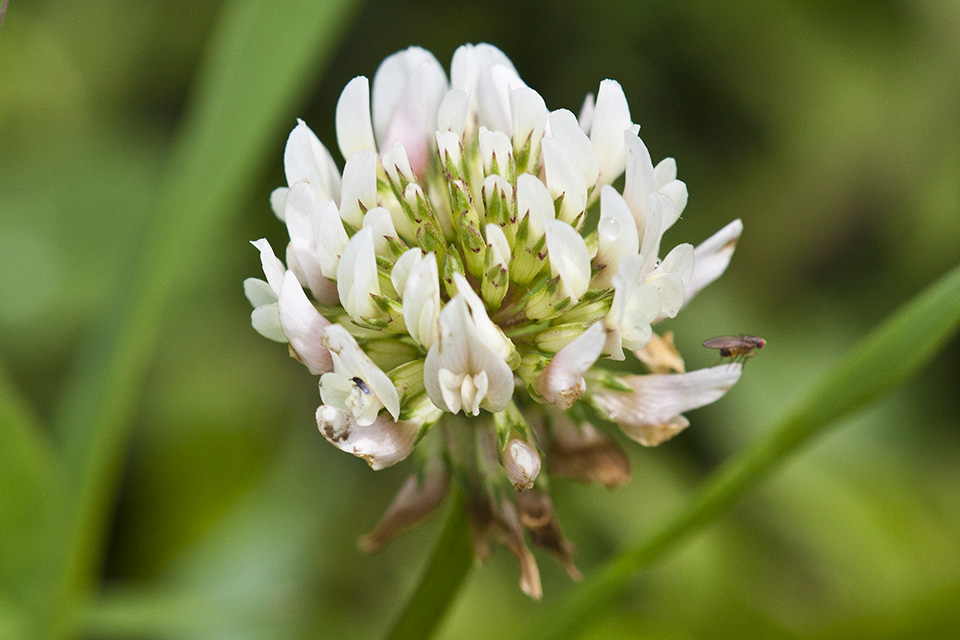
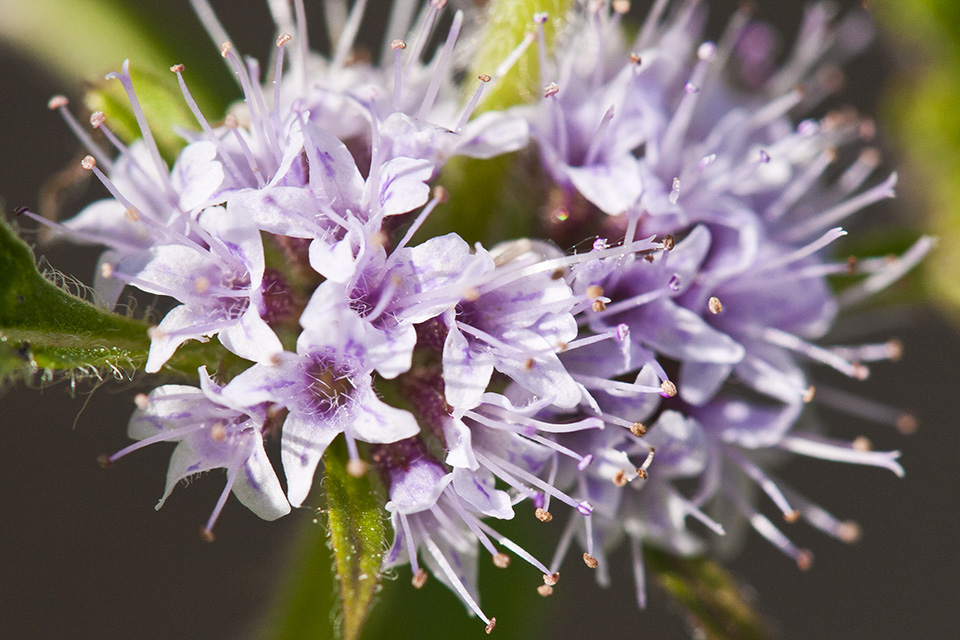
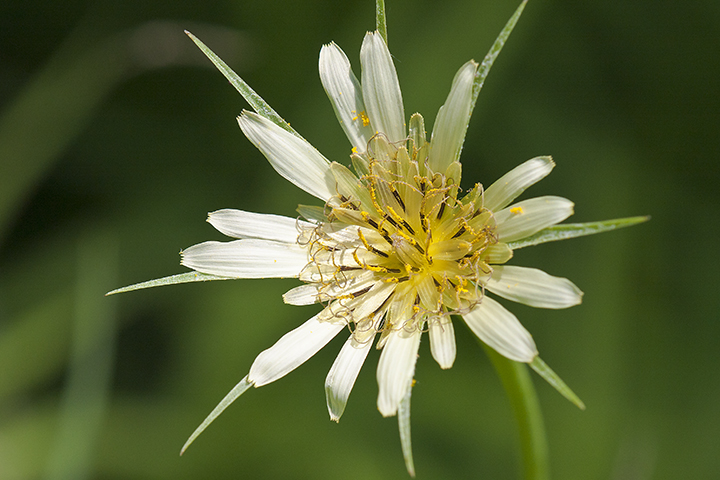

Bonanza Prairie SNA
Bonanza Prairie Scientific and Natural Area (SNA) lies within the borders of Big Stone Lake State Park. The sightings on this page do not include any sightings made within the SNA. See that page for those sightings.
Created: Last Updated: © MinnesotaSeasons.com. All rights reserved. |