



Orange Sulphur
(Colias eurytheme)
Conservation • Description • Habitat • Ecology • Distribution • Taxonomy
|
|
||||||||||||||
Description |
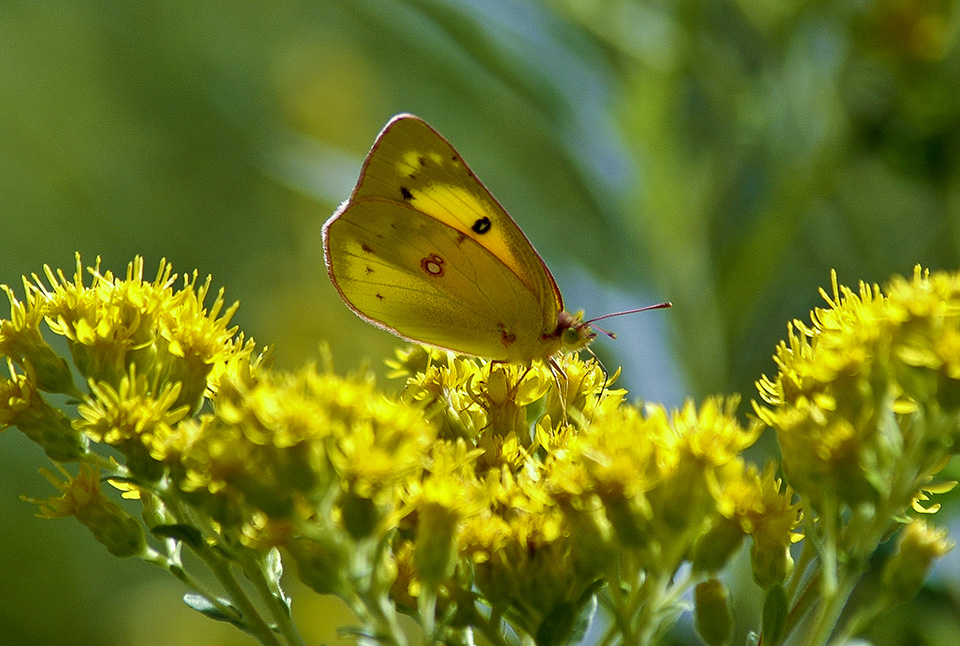
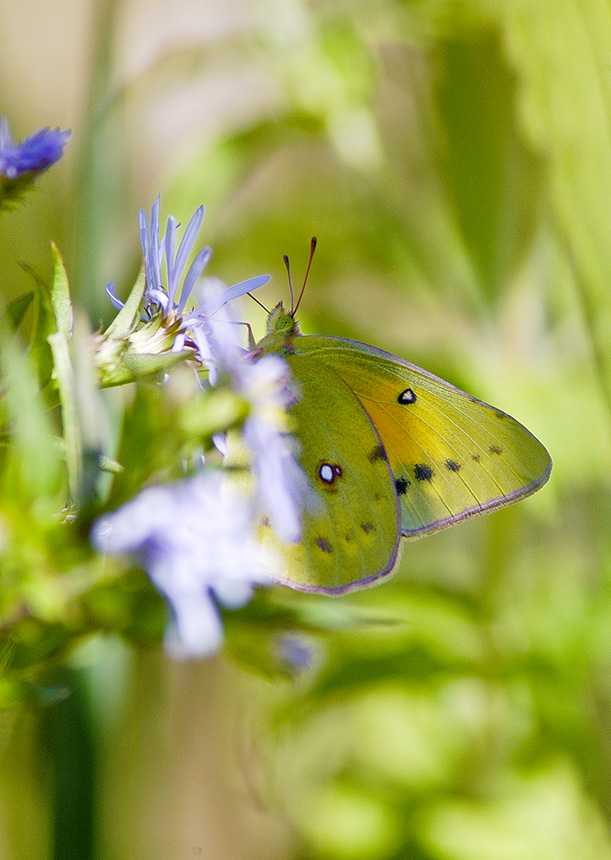
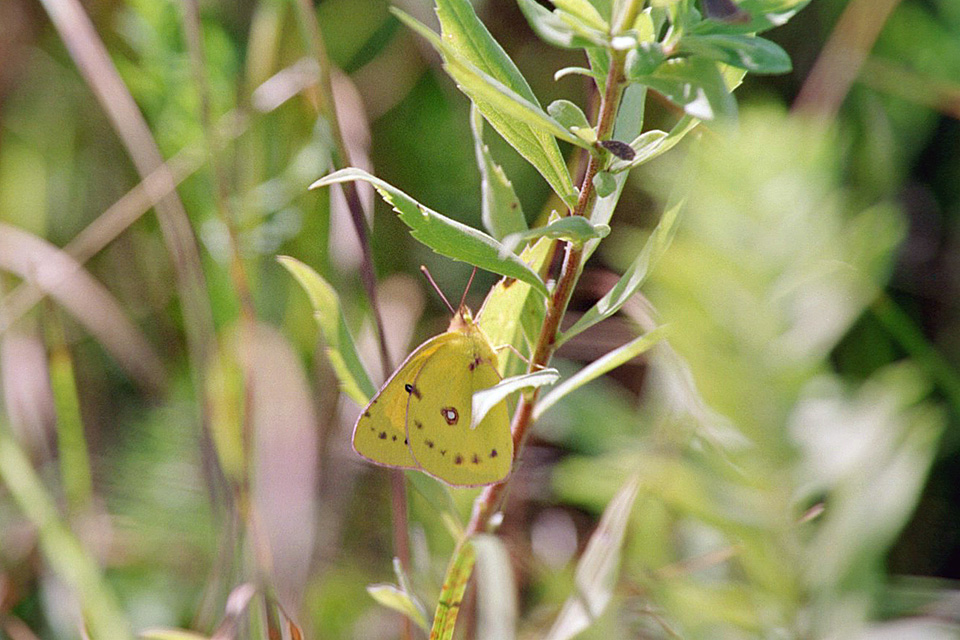
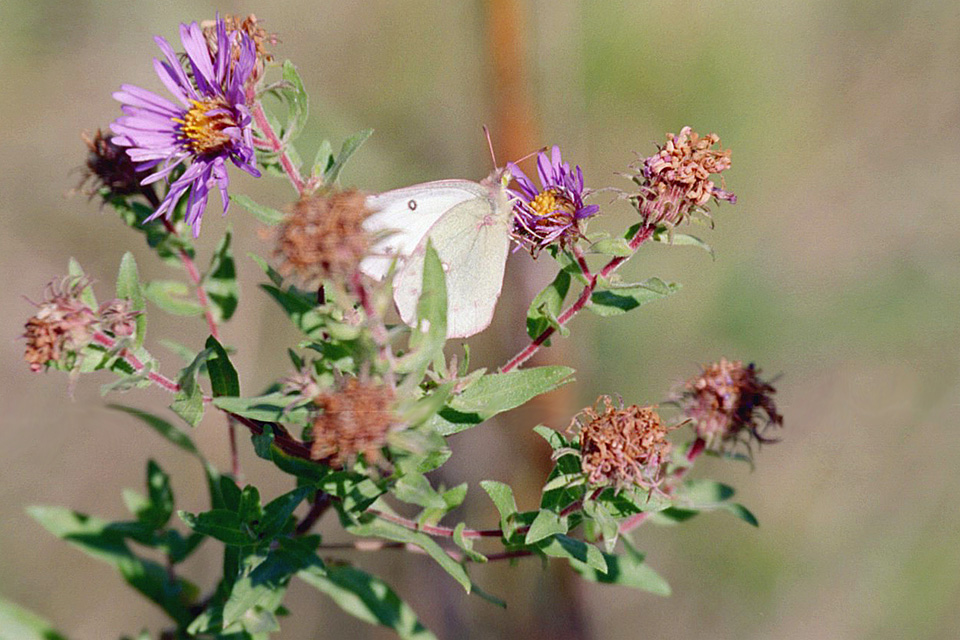
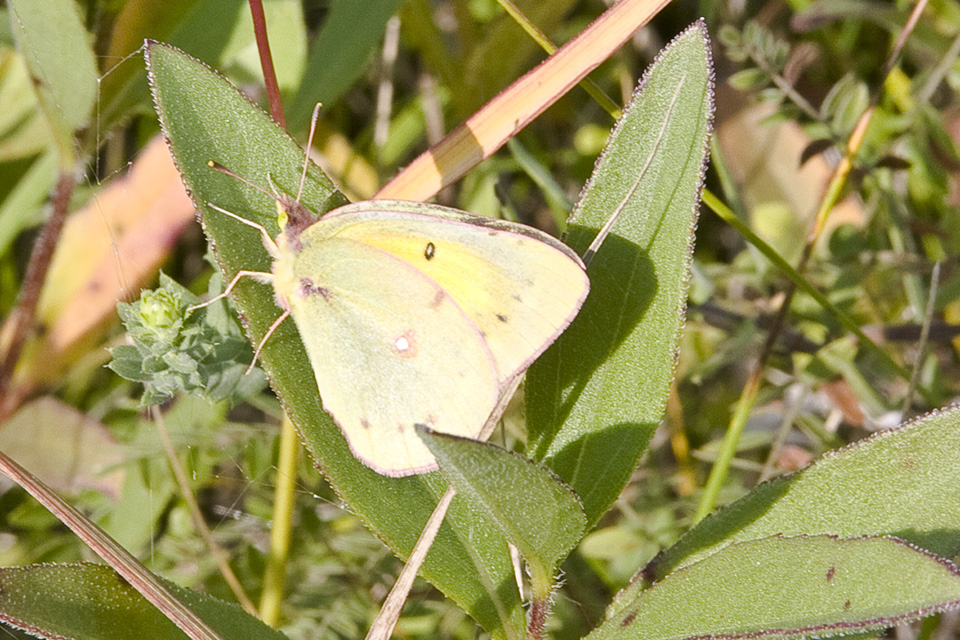
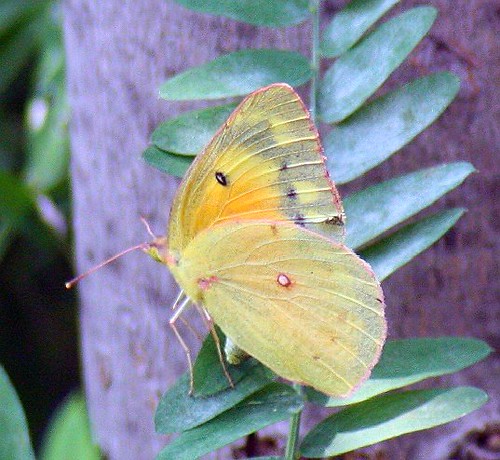
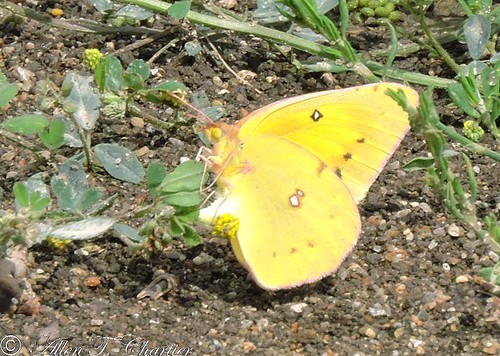
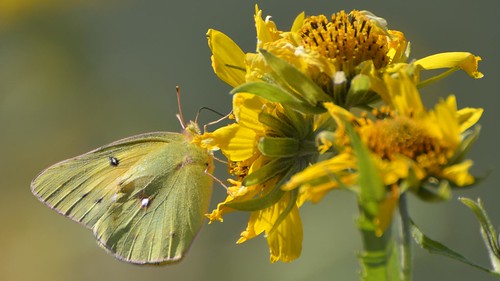
Orange sulphur is a medium-suzed butterfly. It is one of the most common butterflies in North America. It is very common in Minnesota. Adults have a 1⅜″ to 2¾″ wingspan. It rarely lands with wings open. On the male the upperside of both wings are yellow with a wide, solid, black border at the outer margins. There is a black blush extending outward from the basal area near the body to the medial area, and a small to large bright orange area extending from the basal area toward the black border. The upperside is often mostly or completely orange inside the borders. In the spring and early summer of years with colder temperatures, the upperside is often mostly yellow with only a small blush of orange in the basal area. There is always at least some orange on the wing upperside. On the forewing there is a small black spot at the end of the forewing cell. On the hindwing there is a small, bright orange, median spot. The veins are yellow, including within the black border. On the female the black border is wider and has several yellow spots. The underside of both wings is yellow or greenish-yellow with a pinkish-white fringe. There is often orange in the basal and median areas of the forewing, but it may be covered by the hindwing and difficult to see. On the forewing there is a small black spot with a white center at the end of the forewing cell. On the hindwing there is a small, white, median spot outlined in brown, with a similar, tiny spot just above it. Both wings usually show a row of small, faint, black or brown, submarginal spots. There is no black border on the wing undersides, but the upperside border shows through when the butterfly is backlit. There is also a white-form female with greenish-white wings that is very common, at least in Minnesota. The eyes are green. The caterpillar is green and up to 1⅜″ long. As with all caterpillars, there is a row of small, oval to round openings (spiracles) on the on each side of the body. The spiracles appear on the first segment of the thorax and the first through eighth segments of the abdomen. There is a white stripe in this spiracular area extending from just behind the head to the anal plate. The stripe is edged in black or dark green at the bottom and may have a thin bar of pink or orange in the center. The entire body, including the head, is moderately covered with short, straight, white hairs (seta) that may not be visible without a hand lens. |
Size |
Wingspan: 1⅜″ to 2¾″ |
Similar Species |
Clouded sulphur (Colias philodice) has no orange on the wings. Pink-edged sulphur (Colias interior) has no orange on the wings. The median spot on the hindwing does not have a tiny similar spot above it. There is no row of submarginal spots on either wing. |
Habitat |
Meadows, fields, lawns, roadsides, and other open areas. |
Ecology |
Season |
Two or three overlapping broods per year: May to late October. |
Behavior |
Caterpillars usually feed only at night. |
Life Cycle |
Males patrol in search of receptive females. Females lay pale eggs singly on the upper side of leaflets on host plants. The last brood overwinters as pupae. |
Larva Hosts |
White clover (Trifolium repens) and sweet clover (Melilotus spp) are the preferred hosts. Other foods include Alfalfa (Medicago sativa sativa), bird’s-foot trefoil (Lotus corniculatus var. corniculatus), vetches (Vicia), and other plants in the pea family (Fabaceae). |
Adult Food |
Flower nectar |
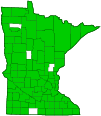
Distribution |
||
|
Sources |
|
| 10/7/2024 | ||
Occurrence |
||
Very common and widespread |
||
Taxonomy |
|
Order |
|
Superfamily |
Papilionoidea (Butterflies) |
Family |
Pieridae (whites, yellows and sulphurs) |
Subfamily |
Coliadinae (yellows and sulphurs) |
Tribe |
Coliadini |
Subtribe |
Coliadina |
Genus |
Colias (clouded yellows) |
Subordinate Taxa |
|
|
|
Synonyms |
|
Colias alba Colias albina Colias amphidusa Colias ariadne Colias californiana Colias eurytheme Colias flava Colias fumosa Colias graeca Colias intermedia Colias keewaydin Colias neuburgeri Colias pallida Colias typica Colias vernalis Colias xenodice Eurymus rudkini Eurymus unicitrina |
|
Common Names |
|
alfalfa butterfly alfalfa caterpillar (larva) Orange Sulphur |
|
Glossary
Seta
A usually rigid bristle- or hair-like structure on Butterflies and Moths used to sense touch. Plural: setae.
Spiracle
A small opening on the surface of an insect or arachnid through which it breathes.
Visitor Photos |
||
Share your photo of this insect. |
||
This button not working for you? |
||
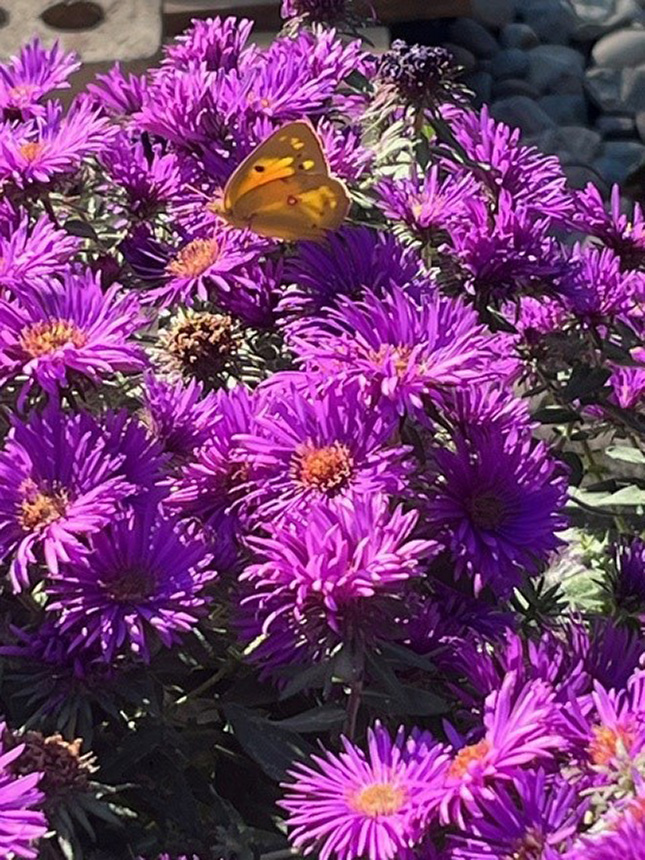
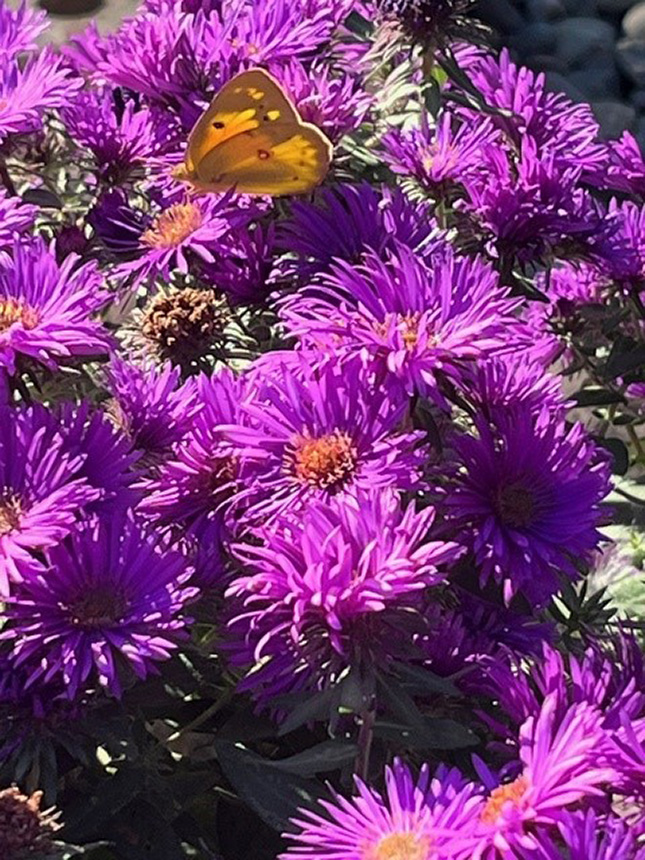
Val McGruder |
||
 |
|
|
| Enjoying purple asters on a Fall afternoon |
|
|
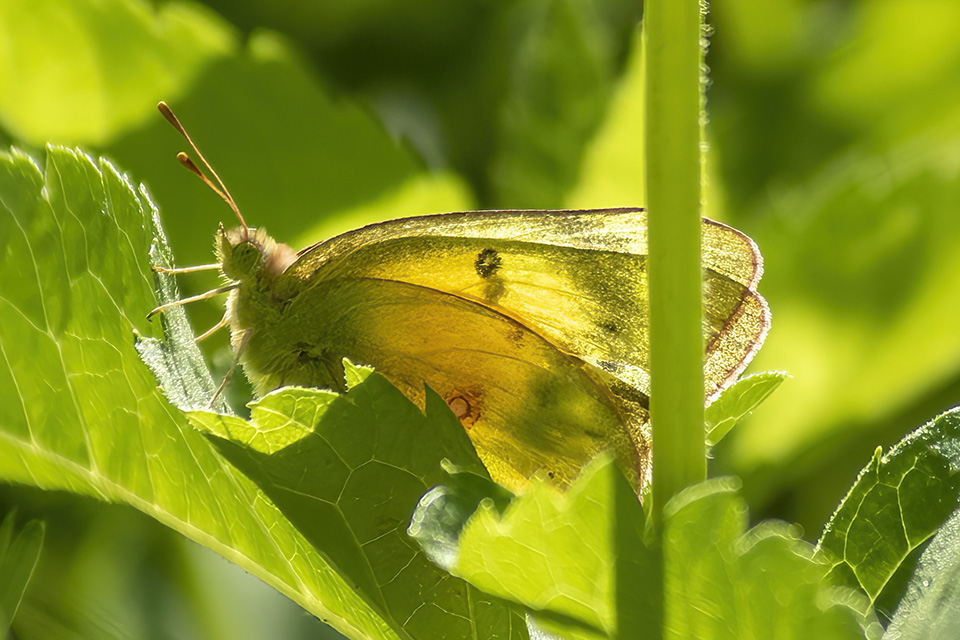
Greg Watson |
 |
Dan W. Andree |
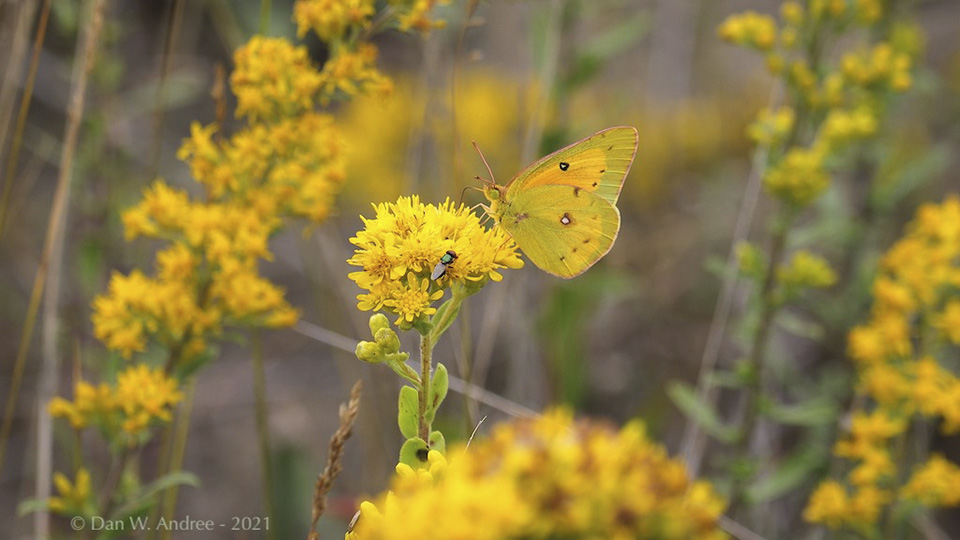 |
I think this is a Orange Sulfur Butterfly... and some kind of tiny metallic green fly |
K Helms |
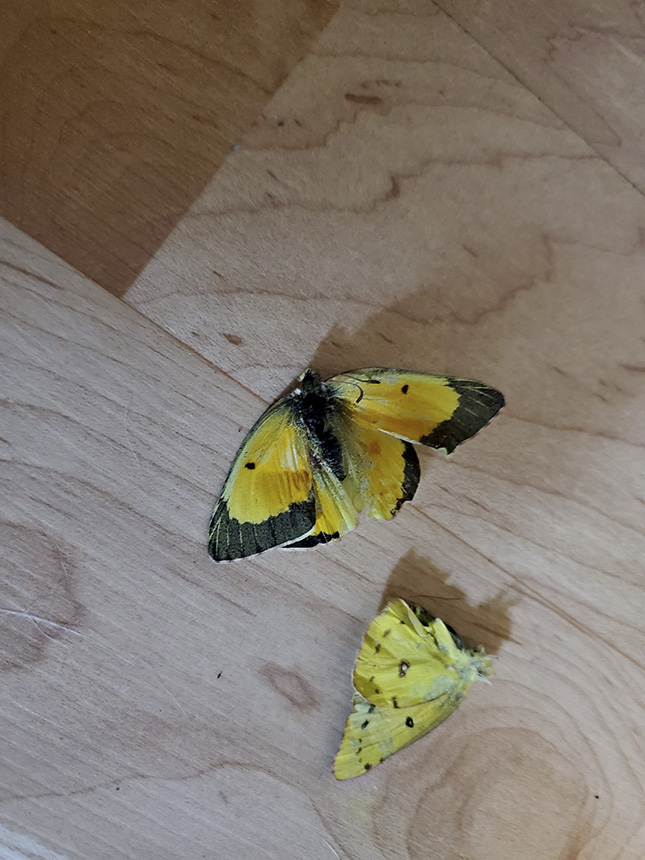 |
There must have been 100’s of them on about a 1 mile section of the trail past Eagle Lake. Here’s a photo of 2 wing parts I picked up off the trail. |
Tom Baker |
||
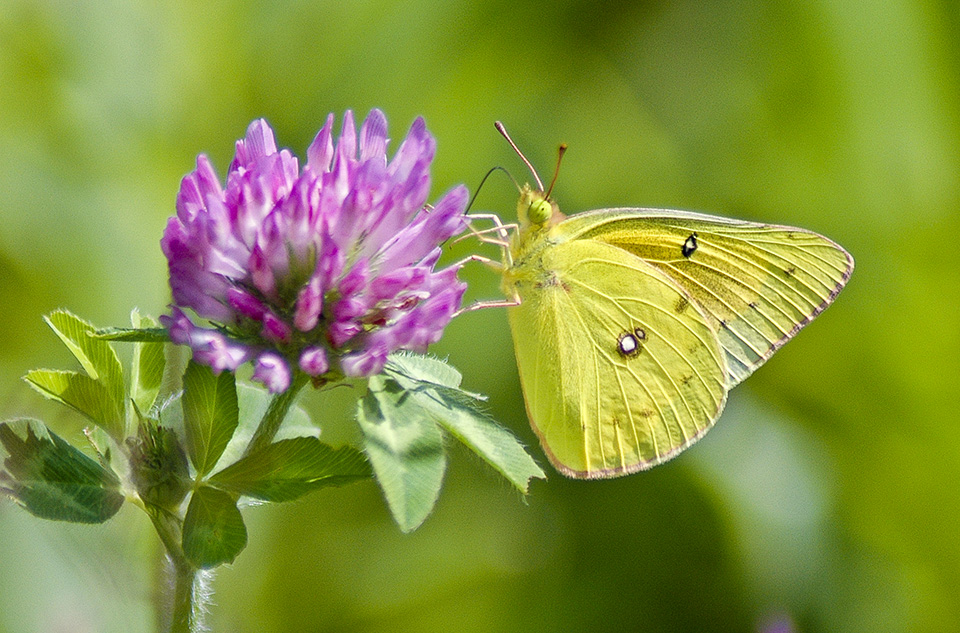 |
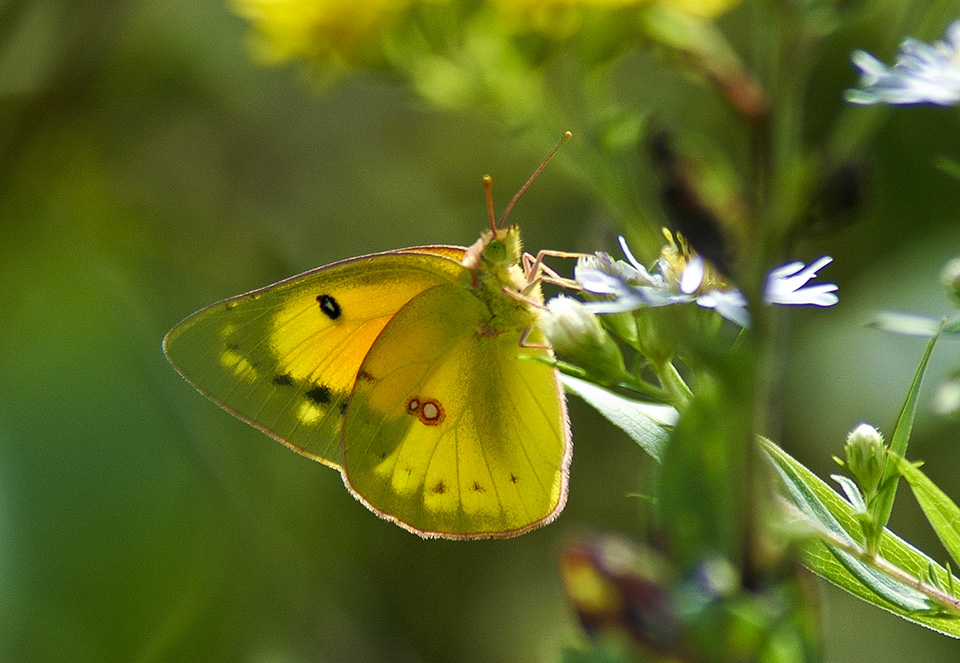 |
|
 |
 |
|
MinnesotaSeasons.com Photos |
||
 |
 |
|
 |

Slideshows |
Orange Sulphur |
|
About
Copyright DianesDigitals Colias eurytheme |
Colias eurytheme (Orange Sulphur) |
|
Orange Sulphur butterfly (Colias eurytheme) |
|

Visitor Videos |
||
Share your video of this insect. |
||
This button not working for you? |
||
|
Other Videos |
||
Orange Sulphur |
About
Published on Jun 7, 2012 Colias eurytheme mating |
Orange Sulfur or Alfalfa Butterfly |
About
Uploaded on Oct 17, 2008 Orange Sulfur or Alfalfa Butterfly, Colias eurytheme, on Rabbit Brush, Chrysothamnus nauseosus at Las Pilitas Nursery |

Visitor Sightings |
||
Report a sighting of this insect. |
||
This button not working for you? |
||
Val McGruder |
Location: Minnetonka
|
 |
| Greg Watson 6/19/2022 |
Location: Apple Blossom Overlook Park |
|
| Dan W. Andree End of August 2021 |
Location: Frenchman’s Bluff SNA I think this is a Orange Sulfur Butterfly and some kind of tiny metallic green fly |
|
| K Helms 8/4/2020 |
Location: Sakatah Bike Trail There must have been 100’s of them on about a 1 mile section of the trail past Eagle Lake. Here’s a photo of 2 wing parts I picked up off the trail. |
|
MinnesotaSeasons.com Sightings |
||
Created: 9/6/2005 Last Updated: © MinnesotaSeasons.com. All rights reserved. |