



reed canary grass
(Phalaris arundinacea)
Conservation • Weed • Wetland • Description • Habitat • Ecology • Use • Distribution • Taxonomy
Conservation Status |
|
|||||||
| IUCN Red List | LC - Least Concern |
|||||||
| NatureServe | N5 - Secure SNA - Not applicable |
|||||||
| Minnesota | not listed |
|||||||
Weed Status |
||||||||
Reed canary grass is listed as an invasive terrestrial plant by the Minnesota Department of Natural Resources. However, it is not currently regulated in Minnesota. |
||||||||
Wetland Indicator Status |
||||||||
| Great Plains | FACW - Facultative wetland |
|||||||
| Midwest | FACW - Facultative wetland |
|||||||
| Northcentral & Northeast | FACW - Facultative wetland |
|||||||
Description |
||
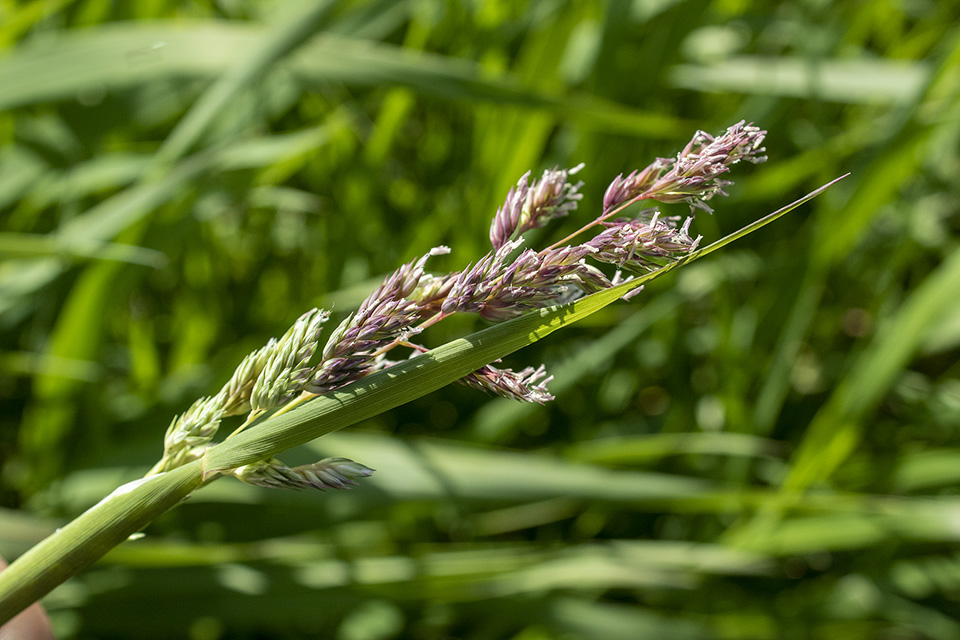
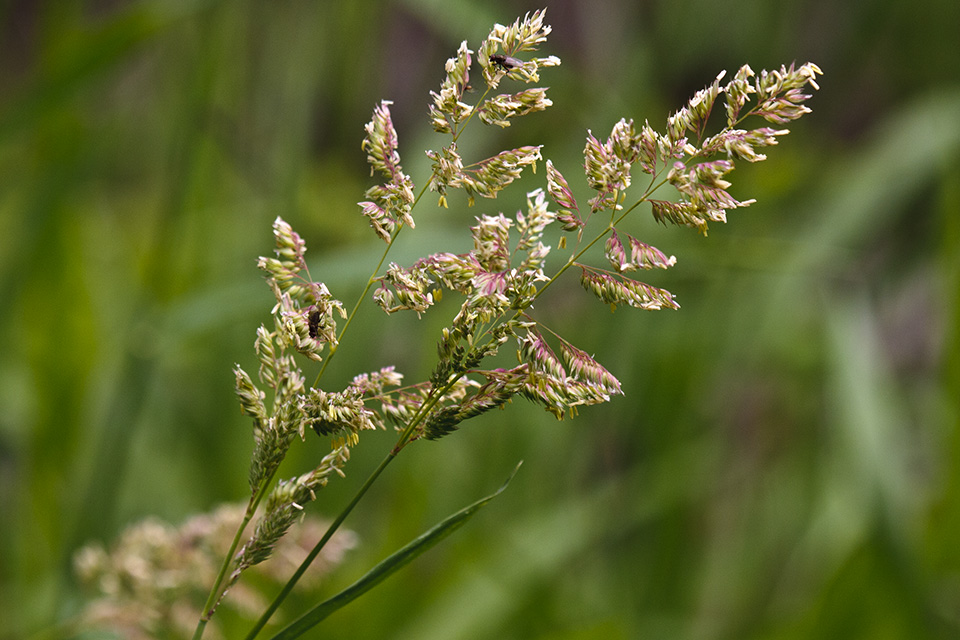
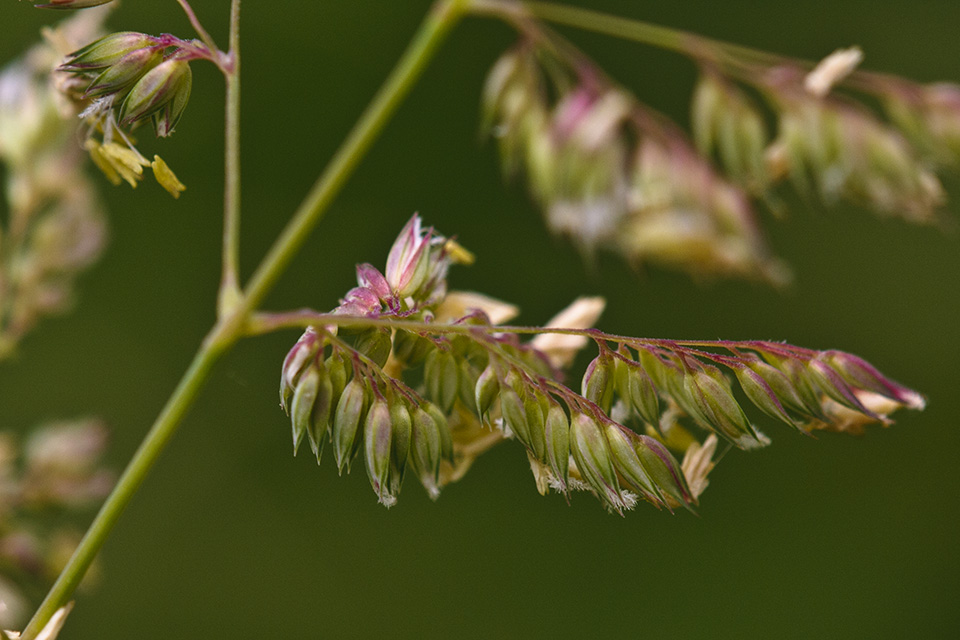
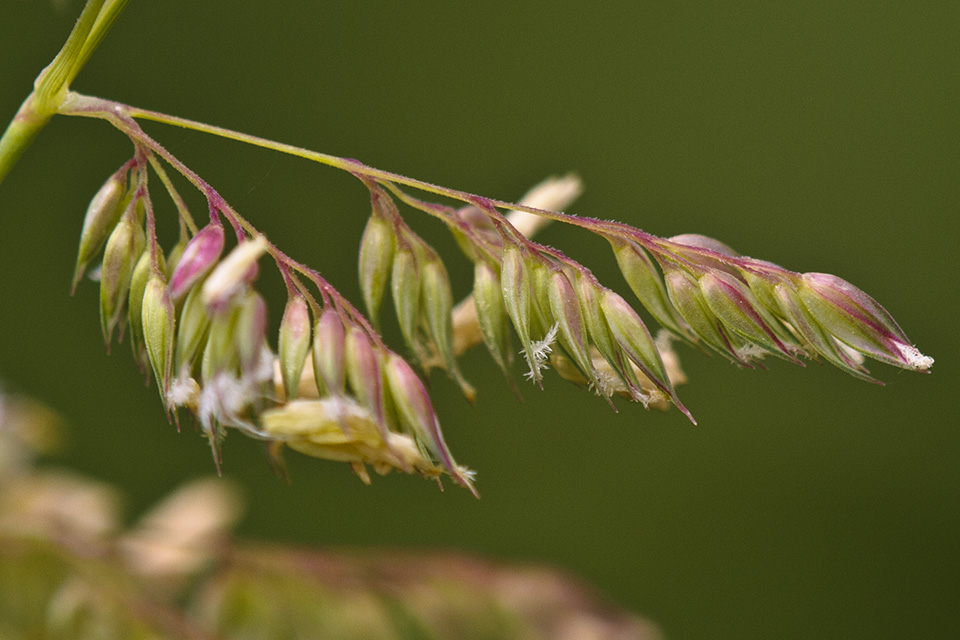
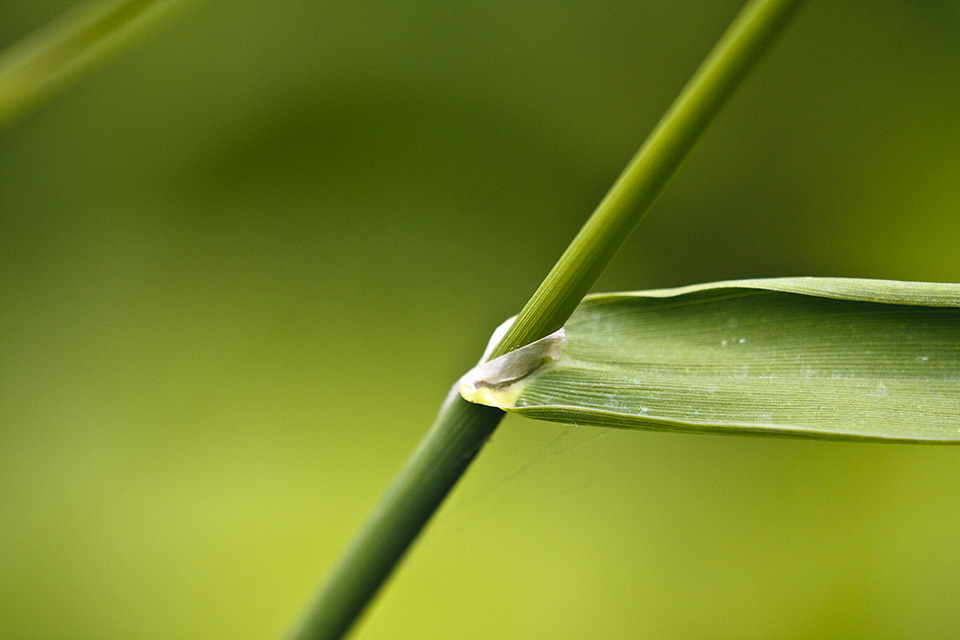
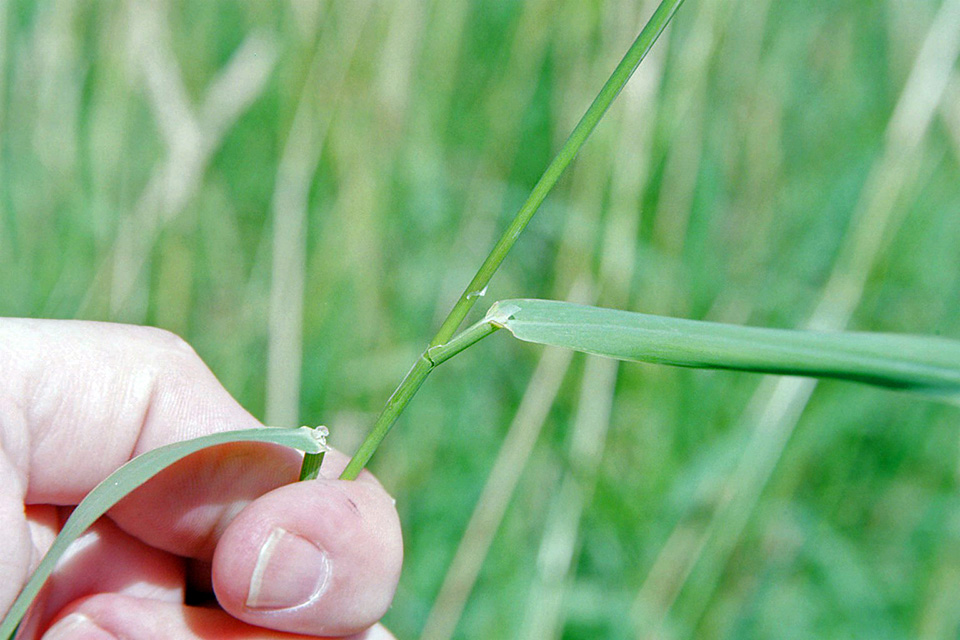
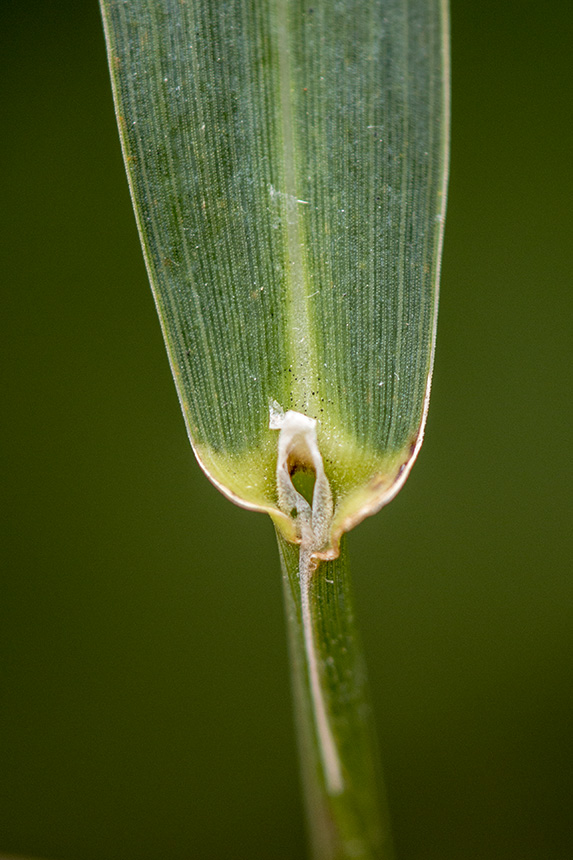
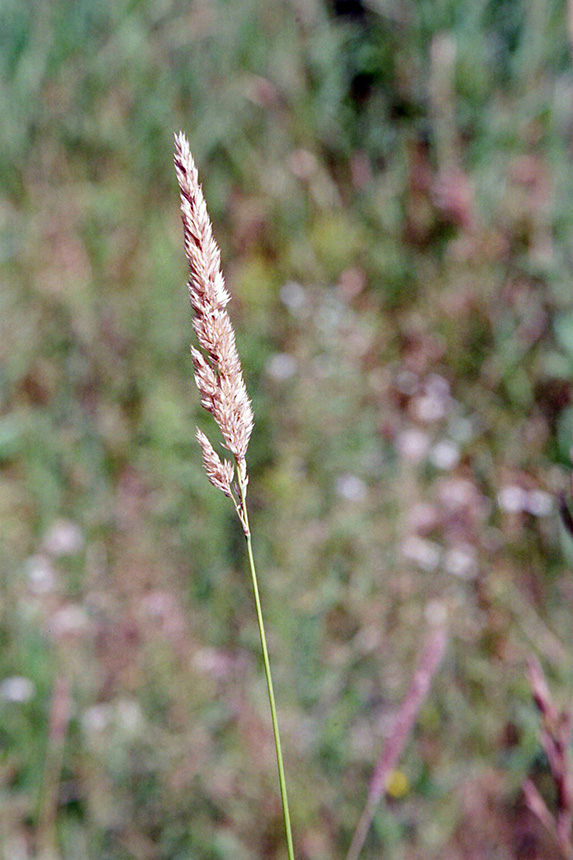
Reed canary grass plant often appears in dense colonies that crowd out all other species. It often dominates wet areas. The blades are flat, ¼″ to ¾″ wide, and up to 20″ long. The ligule is a thin, papery membrane from just over ⅛″ to just over ⅜″ long. The margin is irregularly jagged, as if torn. The inflorescence is 2½″ to 7″ long, usually 3″ to 6″, and is borne high above the leaves. It is always evidently branched, at least near the base; the branches are short. When immature, it is compact and resembles a spike. When in full flower, it is open and green or slightly purple or reddish. Later, it turns tan to whitish in color and closes up, becoming narrow and pointed. |
||
Height |
||
24″ to 80″ |
||
Similar Species |
||
Orchard grass (Dactylis glomerata) has an inflorescence that is similar in appearance. However, the leaves are much narrower. The inflorescence is wider with a more blunt tip. Bluejoint (Calamagrostis canadensis) has a ring of hairs just below the nodes. |
||
Habitat |
||
Wet. Shallow marshes, river banks, roadside ditches; semi-open and open habitats. |
||
Ecology |
||
Flowering |
||
May to August |
||
Pests and Diseases |
||
|
||
Use |
||
|
||
Distribution |
||||
|
Sources |
|||
| 6/23/2022 | ||||
Nativity |
||||
Native |
||||
Occurrence |
||||
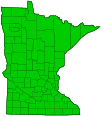
Very common |
||||
Taxonomy |
|||
| Kingdom | Plantae (Plants) | ||
| Subkingdom | Pteridobiotina | ||
| Phylum | Tracheophyta (Vascular Plants) | ||
| Class | Liliopsida (Monocots) | ||
Order |
Poales (grasses, sedges, cattails, and allies) | ||
Family |
Poaceae (grasses) | ||
| No Rank | BOP clade | ||
| Subfamily | Pooideae | ||
| Supertribe | Poodae | ||
| Tribe | Poeae | ||
| Subtribe | Phalaridinae | ||
Genus |
Phalaris (canarygrasses) | ||
Synonyms |
|||
Phalaris arundinacea var. picta Phalaroides arundinacea Phalaroides arundinacea var. picta |
|||
Common Names |
|||
gardener’s garters reed canary grass reed Canarygrass ribbon grass variegated grass |
|||
Glossary
Ligule
In grasses, a membranous appendage at the junction of the leaf and the leaf sheath.
Visitor Photos |
|||||
Share your photo of this plant. |
|||||
| This button not working for you? Simply email us at info@MinnesotaSeasons.com. Attach one or more photos and, if you like, a caption. |
|||||
Greg Watson |
|||||
 |
|||||
Luciearl |
|||||
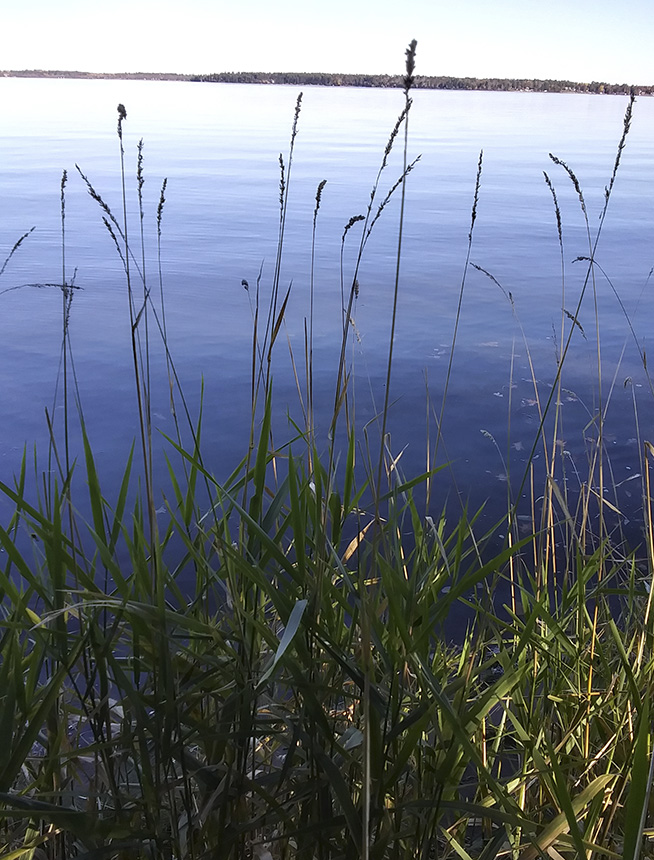
This grows prolifically in my shoreline buffer. Hoping it's not invasive. |
|||||
 |
 |
||||
MinnesotaSeasons.com Photos |
|||||
Inflorescence |
|||||
 |
|||||
Spikelet |
|||||
 |
 |
||||
Collar |
|||||
 |
|||||
Ligule |
|||||
 |
 |
||||
|
|||||
Infructescence |
|||||
 |
 |
||||
 |
|||||

Slideshows |
||
Visitor Videos |
|||
Share your video of this plant. |
|||
| This button not working for you? Simply email us at info@MinnesotaSeasons.com. Attach a video, a YouTube link, or a cloud storage link. |
|||
Other Videos |
|||
| Matanuska River Park PalmerSWCD's channel |
|||
About
Uploaded on Jan 6, 2012 Initial Reed Canary Grass ID |
|||
| Environmental Laboratory - U.S. Army Corps of Engineers Environmental Laboratory USACE |
|||
About
Published on Feb 15, 2013 Phalaris arundinacea - Reed Canarygrass |
|||
| Invasive Reed Canary Grass - Pennsylvania Forest Restoration Project Chuck Ray |
|||
About
Published on May 18, 2013 Penn State plant scientist Art Gover explains a project to re-establish a streamside forest in place of invasive species that have dominated the area. |
|||



|
Created: Last Updated: © MinnesotaSeasons.com. All rights reserved. |