



bland sweet cicely
(Osmorhiza claytonii)
Conservation • Wetland • Description • Habitat • Ecology • Use • Distribution • Taxonomy
Conservation Status |
|
|||||||
| IUCN Red List | not listed |
|||||||
| NatureServe | N5 - Secure SNR - Unranked |
|||||||
| Minnesota | not listed |
|||||||
Wetland Indicator Status |
||||||||
| Great Plains | FACU - Facultative upland |
|||||||
| Midwest | FACU - Facultative upland |
|||||||
| Northcentral & Northeast | FACU - Facultative upland |
|||||||
Description |
||
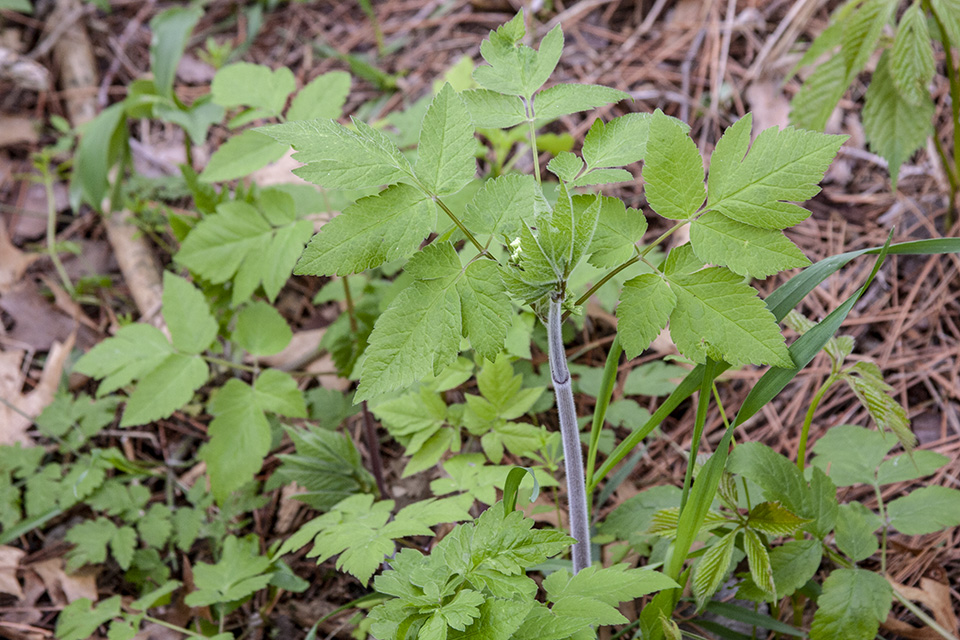
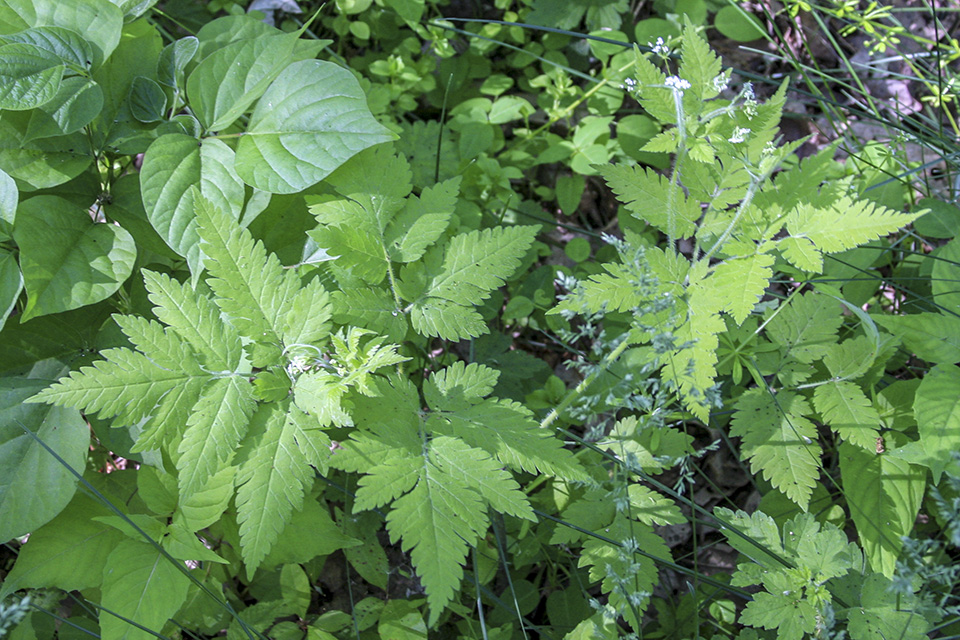
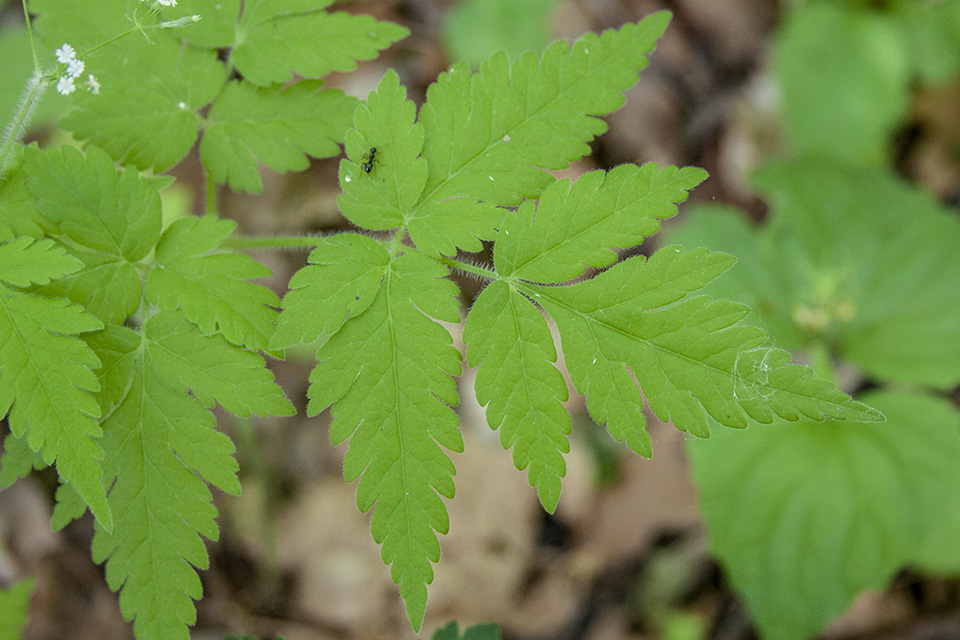
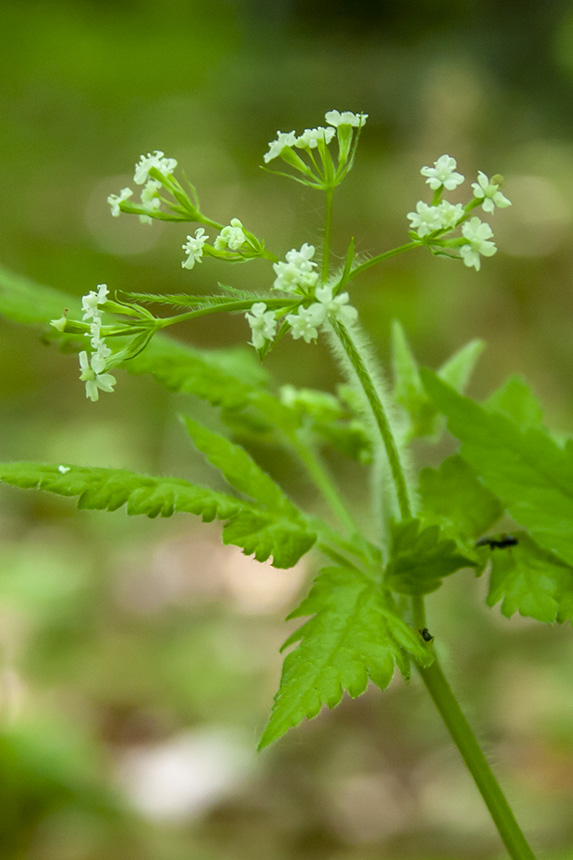
The stems are hairy. The plant has no discernable anise odor. In early spring the young stems are densely covered with short, spreading, white hairs. The styles are shorter than the petals, no more than 1.5mm long. In the inflorescence is an umbrella-like flower cluster (umbel). At the end of each stem in the umbel is another, smaller umbel (umbellet), on which the flowers occur. There is a whorl of bracts beneath the umbellet. |
||
Height |
||
12″ to 36″ |
||
Flower Color |
||
White |
||
Similar Species |
||
Aniseroot (Osmorhiza longistylis)roots have a strong, sweet, anise-like fragrance. Hairs on the stem are shorter and shaggy. Crushed foliage has an anise-like fragrance. Umbels are dense and crowded. There are 9 to 18 flowers per umbellet. Flowers are larger, 3⁄16″ to ¼″ (5 to 6 mm) in diameter. The style plus stylopodium is longer, 1⁄16″to ⅛″ (2.0 to 3.6 mm) long. Significantly more flowers and larger, dense, crowded umbellets combine to make the inflorescence much showier. Blunt sweet cicely (Osmorhiza depauperata) has no whorl of bracts beneath the secondary umbel. |
||
Habitat |
||
Moist. Woods. Partial sun to full shade. |
||
Ecology |
||
Flowering |
||
May to June |
||
Pests and Diseases |
||
|
||
Use |
||
|
||
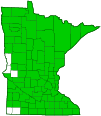
Distribution |
||||
|
Sources |
|||
| 2/22/2023 | ||||
Nativity |
||||
Native |
||||
Occurrence |
||||
Common |
||||
Taxonomy |
|||
| Kingdom | Plantae (Plants) | ||
| Subkingdom | Pteridobiotina | ||
| Phylum | Tracheophyta (Vascular Plants) | ||
| Class | Magnoliopsida (Dicots) | ||
Order |
Apiales (Carrots, Ivies, and Allies) | ||
Family |
Apiaceae (carrot) | ||
| Subfamily | Apioideae | ||
| Tribe | Scandiceae | ||
| Subtribe | Scandicinae | ||
Genus |
Osmorhiza (sweet cicely) | ||
Subordinate Taxa |
|||
|
|||
Synonyms |
|||
Osmorhiza aristata var. brevistylis Washingtonia claytonii |
|||
Common Names |
|||
bland sweet cicely Clayton’s sweetroot hairy sweet cicely |
|||
Glossary
Bracts
Modified leaves at the base of a flower stalk or flower cluster.
Umbel
Umbrella-shaped cluster of flowers or buds arising from a single point.
Visitor Photos |
|||||
Share your photo of this plant. |
|||||
| This button not working for you? Simply email us at info@MinnesotaSeasons.com. Attach one or more photos and, if you like, a caption. |
|||||
|
|||||
MinnesotaSeasons.com Photos |
|||||
Plant |
|||||
 |
 |
||||
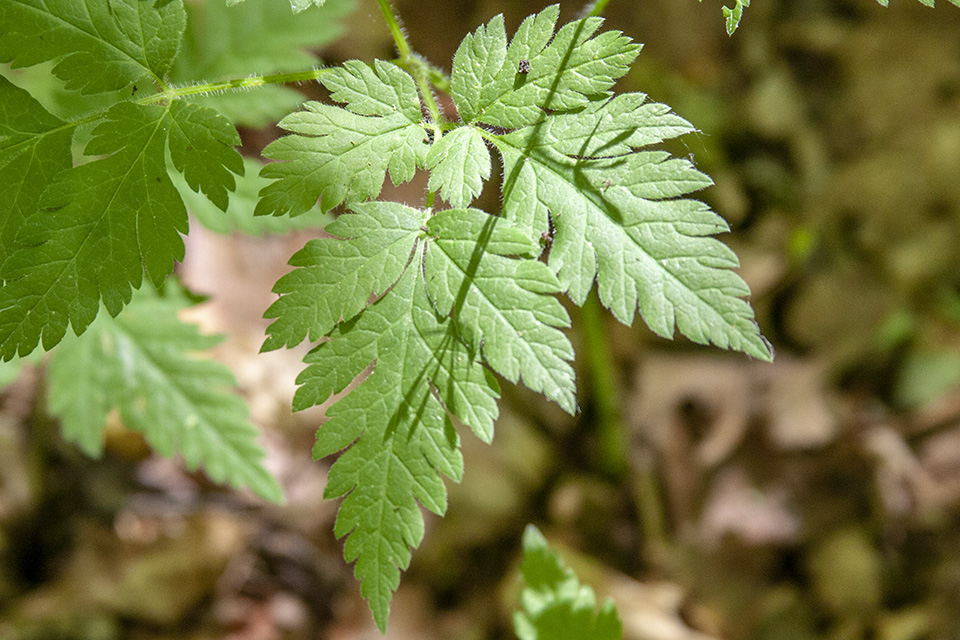
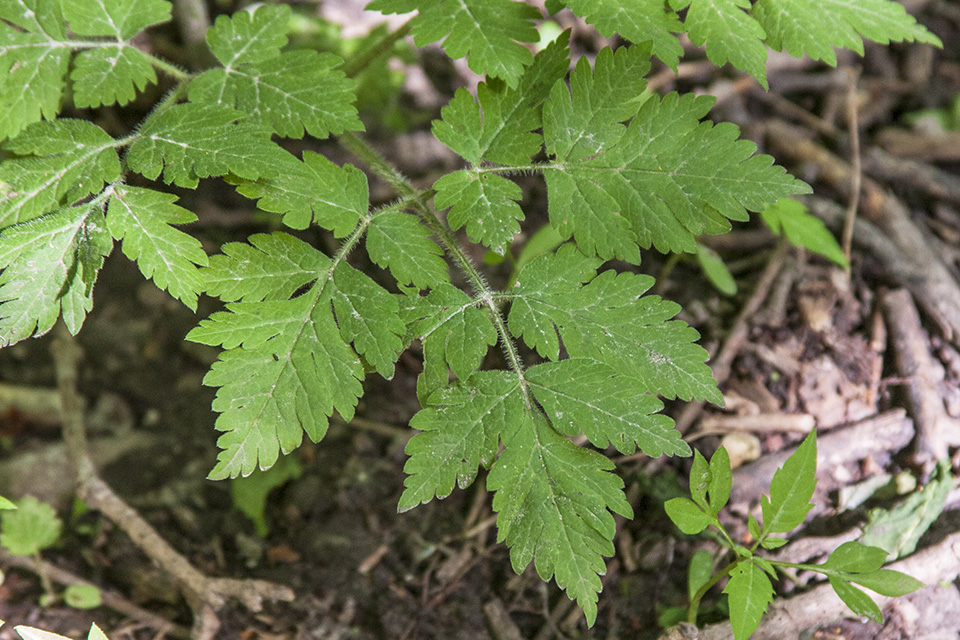
Compound Leaf |
|||||
 |
 |
||||
 |
|||||
Inflorescence |
|||||
 |
|||||
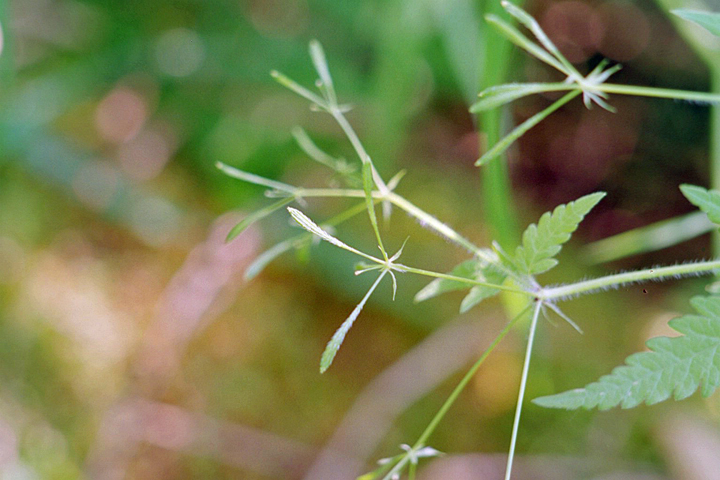
Infructescence |
|||||
 |
 |
||||
 |
 |
||||

Slideshows |
||
Visitor Videos |
|||
Share your video of this plant. |
|||
| This button not working for you? Simply email us at info@MinnesotaSeasons.com. Attach a video, a YouTube link, or a cloud storage link. |
|||
Other Videos |
|||
| Sweet Cicely (Osmorhiza claytonii) wvoutdoorman |
|||
About
Published on May 1, 2012 Sweet Cicely (Osmorhiza claytonii) |
|||
| Sweet Cicely and Baneberry ironDsteele |
|||
About
Published on Aug 6, 2013 Part 4 in an ongoing series of documentaries on wild edible, medicinal, and toxic plants. I'm covering "Sweet Cicely" and "Baneberry" with a focus on how to tell them apart from one another. All video footage is recorded by me on the GoPRO Hero 2. Some of the pictures taken from reputable sources on the internet. |
|||

Visitor Sightings |
|||||
Report a sighting of this plant. |
|||||
| This button not working for you? Simply email us at info@MinnesotaSeasons.com. Be sure to include a location. |
|||||
|
|||||
MinnesotaSeasons.com Sightings |
|||||
Avon Hills Forest SNA, North Unit Bertram Chain of Lakes Regional Park Carpenter St. Croix Valley Nature Center Charles A. Lindbergh State Park Clifton E. French Regional Park Forestville/Mystery Cave State Park Itasca Wilderness Sanctuary SNA John Peter Hoffman Spring Brook Valley WMA Lake Alexander Woods SNA, South Unit Mary Schmidt Crawford Woods SNA Nerstrand Big Woods State Park Northern Tallgrass Prairie NWR, Rengstorf Unit P.N. and G.M. Nelson Wildlife Sanctuary Robert Ney Memorial Park Reserve Sand Prairie Wildlife Management and Environmental Education Area Spring Beauty Northern Hardwoods SNA Stanley Eddy Memorial Park Reserve |
|||||
|
Created: Last Updated: © MinnesotaSeasons.com. All rights reserved. |