

Chamberlain Woods SNA

Content on this page requires a newer version of Adobe Flash Player.

Get Adobe Flash player


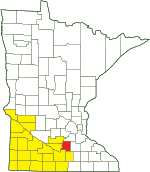
Area and County

Le Sueur County


Size

221 acres

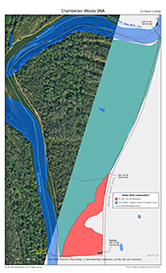
Printable map
 
Maps

Map with GPS coordinates

 
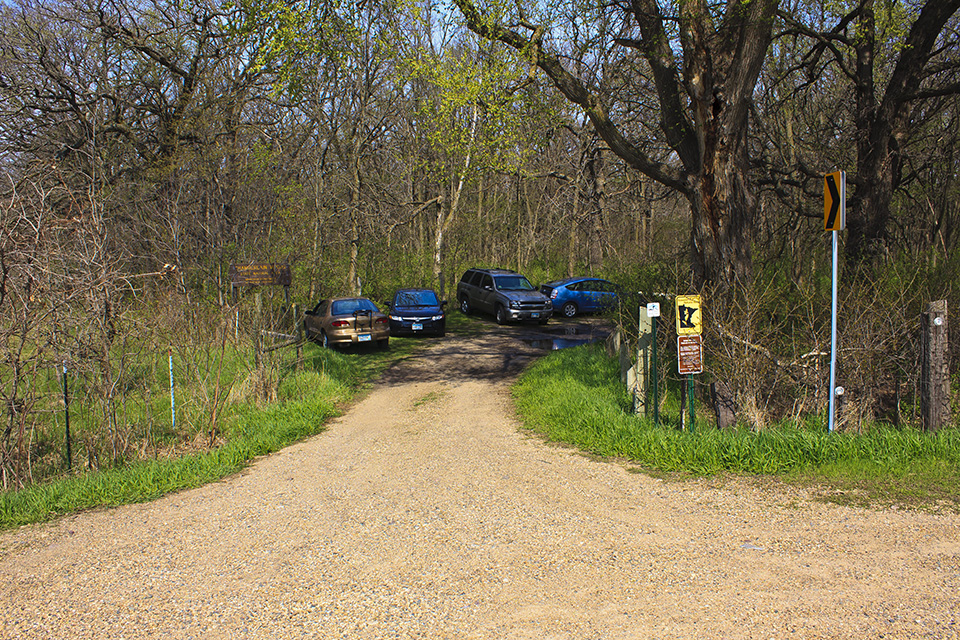
Parking

N44 23.938, W93 56.687

 
Hiking Trails

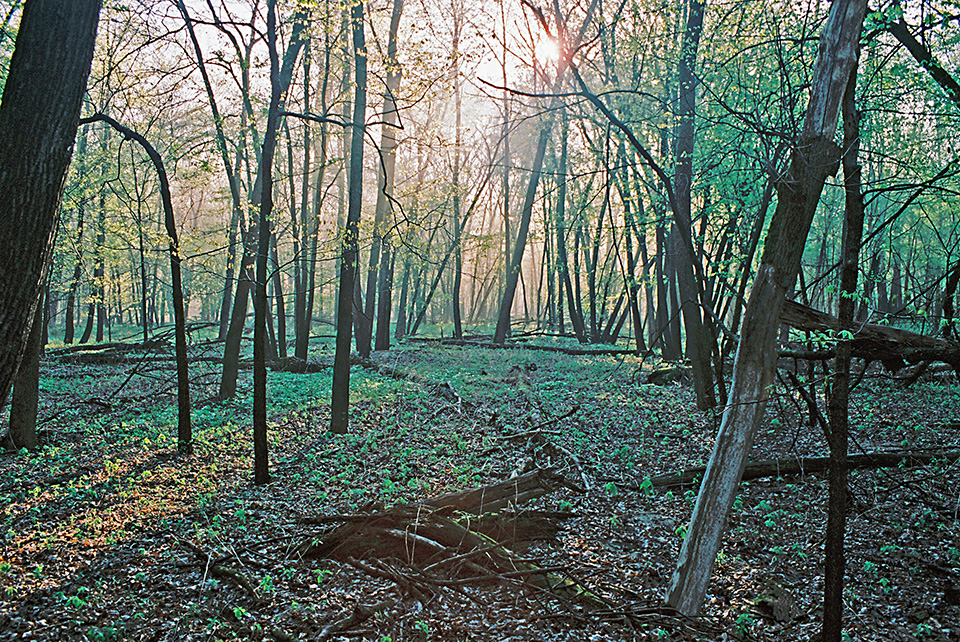
There are a few well worn footpaths starting at the parking area that fade as they approach the floodplain forest. There are no maintained trails.

 
Hunting

No hunting


Ecological Classification

Province

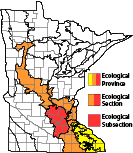
Eastern Broadleaf Forest Province

Ecological Classification

Section

Minnesota & NE Iowa Morainal

Subsection(s)

Big Woods

Land Type Association(s)

Le Sueur Alluvial Plain

 
Native Plant Communities1

Pin Oak - Bur Oak Woodland

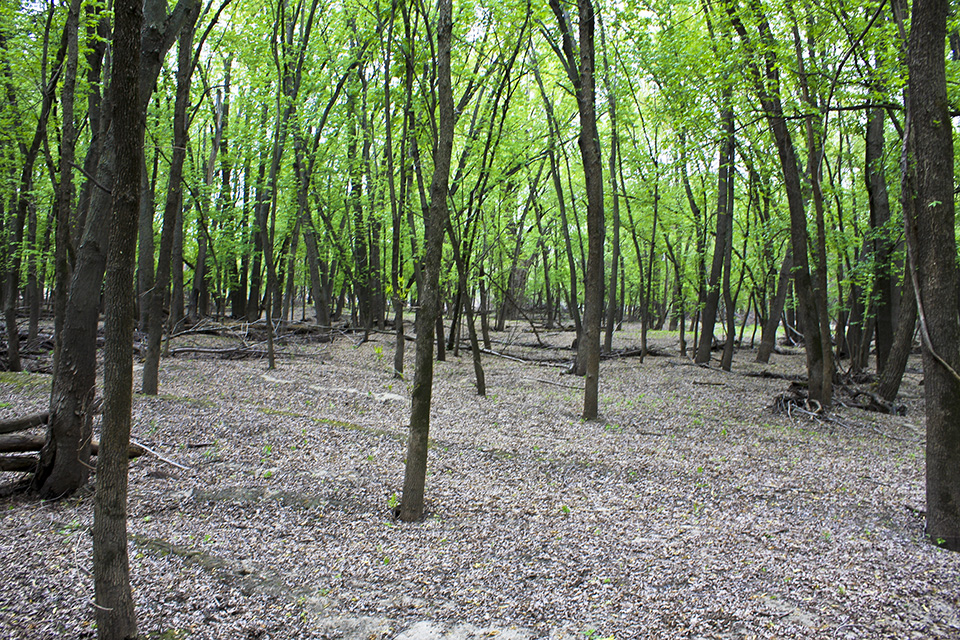
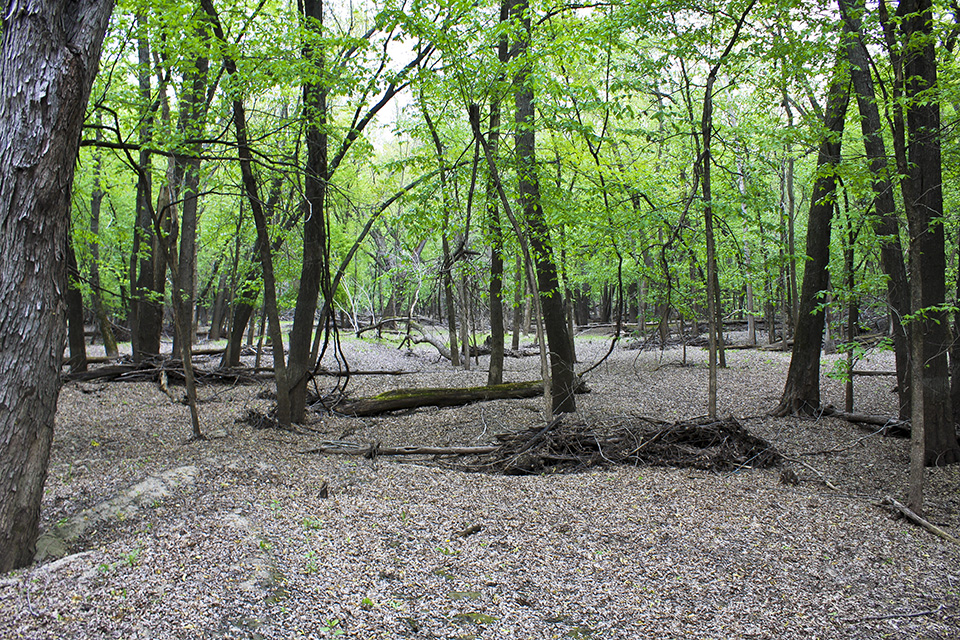
Silver Maple - (Virginia Creeper) Floodplain Forest


Ownership

 
Links

Minnesota DNR


Comments

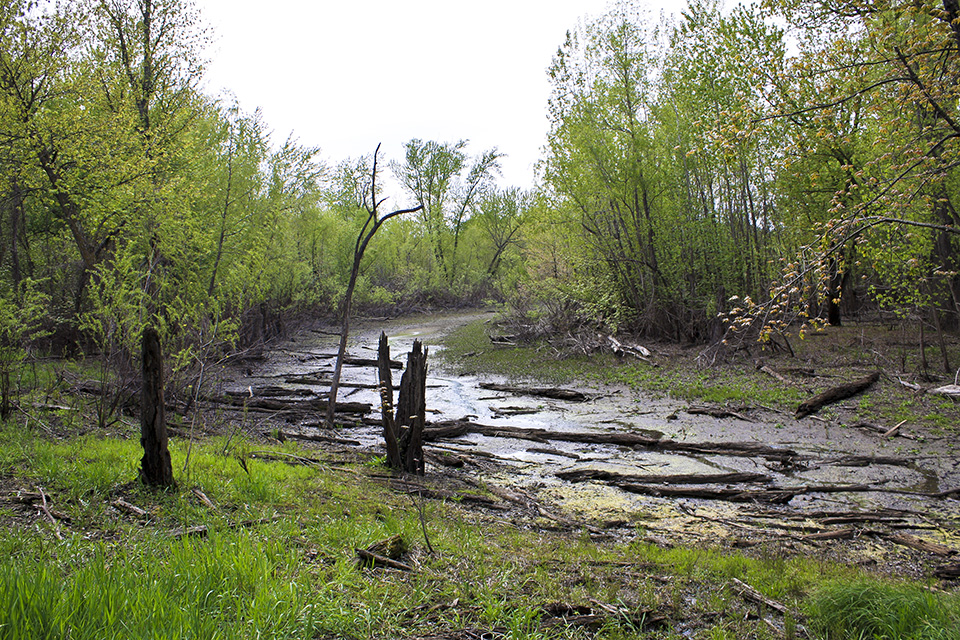
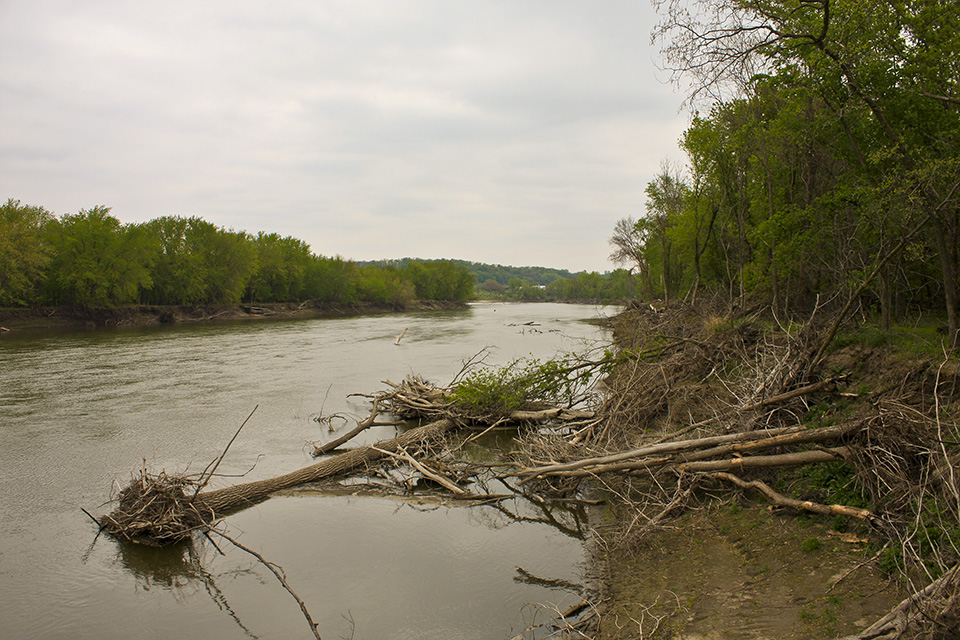
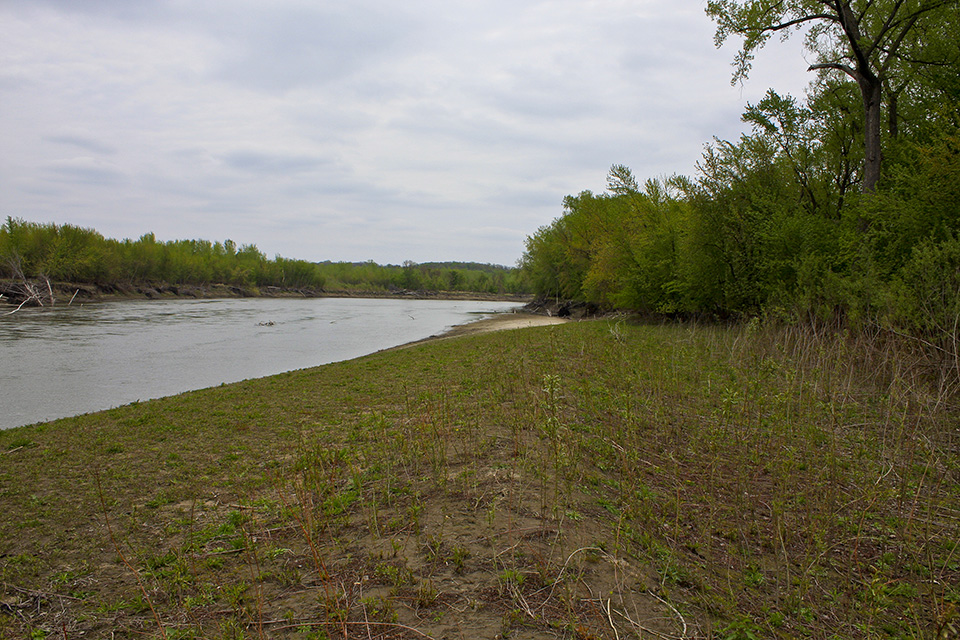
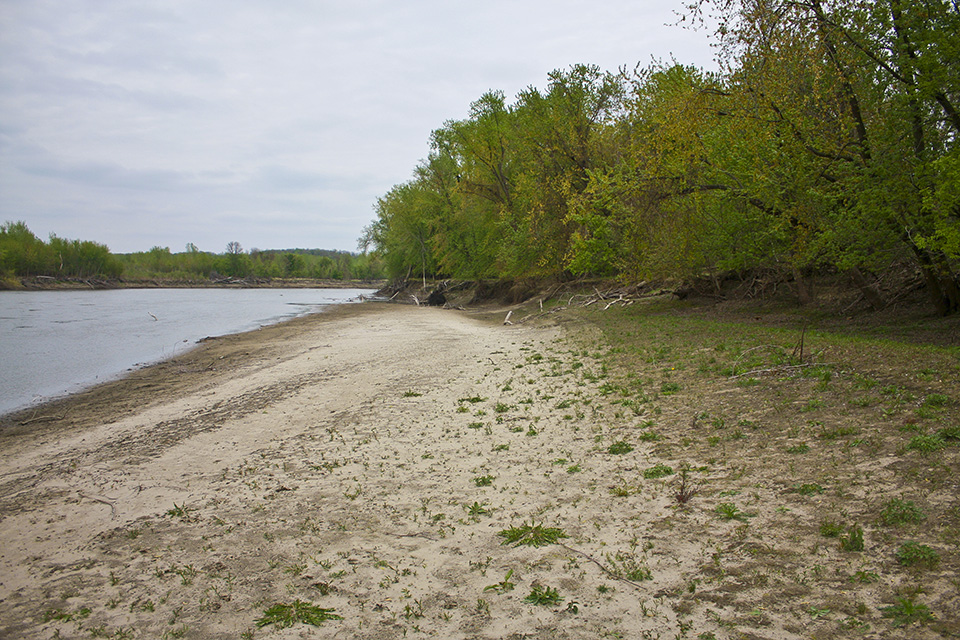
In wet seasons, such as Spring 2012, much of the northeast quarter of this SNA is covered in water. This can be seen on the aerial map (see Maps above).


Images  
Parking Chamberlain Woods SNA   Chamberlain Woods SNA        
               
  Chamberlain Woods SNA   Chamberlain Woods SNA   Chamberlain Woods SNA   Chamberlain Woods SNA
               
  Chamberlain Woods SNA   Chamberlain Woods SNA   Chamberlain Woods SNA    
               
  Chamberlain Woods SNA            
   

Visitor Observations


Click on a visitor name below (if any) to view that visitor’s observations.

Click on the button to share your own observations.


MinnesotaSeasons.com Observations


Birds

Two bird species with protected status in Minnesota have been seen here:

Special concern – Acadian Flycatcher (Empidonax virescens), Bald Eagle (Haliaeetus leucocephalus)

A pair of Bald Eagle (Haliaeetus leucocephalus)s nested here in the spring of 2005.

Minnesota DNR Bird checklist


American Crow (Corvus brachyrhynchos)

American Robin (Turdus migratorius)

Bald Eagle (Haliaeetus leucocephalus)

Belted Kingfisher (Megaceryle alcyon)

Black-capped Chickadee (Poecile atricapillus)

Blue Jay (Cyanocitta cristata)

Blue-winged Teal (Anas discors)

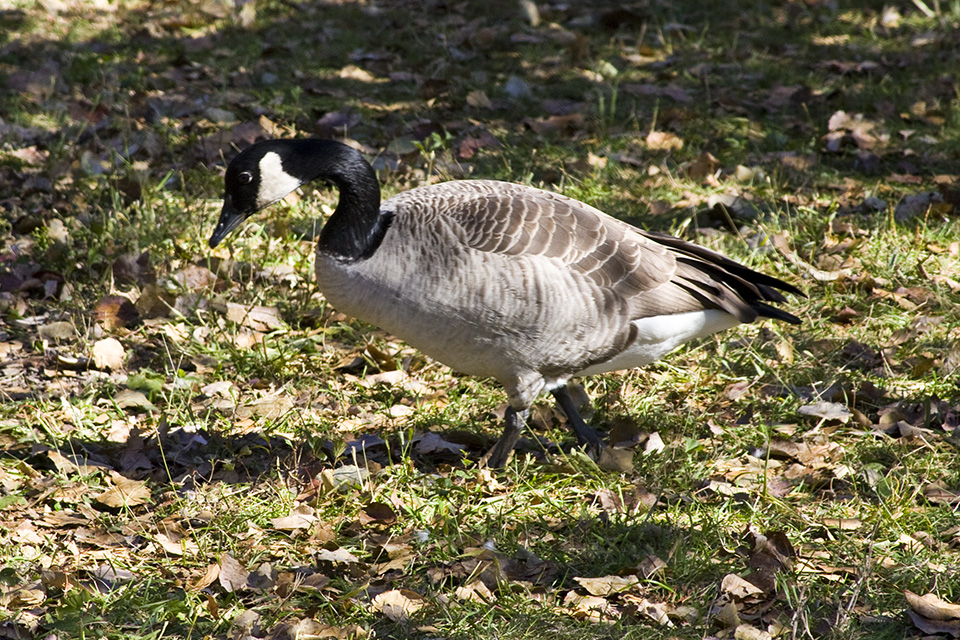
Canada Goose (Branta canadensis)

Field Sparrow (Spizella pusilla)

Gray Catbird (Dumetella carolinensis)

Great Blue Heron (Ardea herodias)

Green-winged Teal (Anas crecca)

Mallard (Anas platyrhynchos)

Northern Cardinal (Cardinalis cardinalis)

Pileated Woodpecker (Dryocopus pileatus)

Red-bellied Woodpecker (Melanerpes carolinus)

Red-tailed Hawk (Buteo jamaicensis)

Turkey Vulture (Cathartes aura)

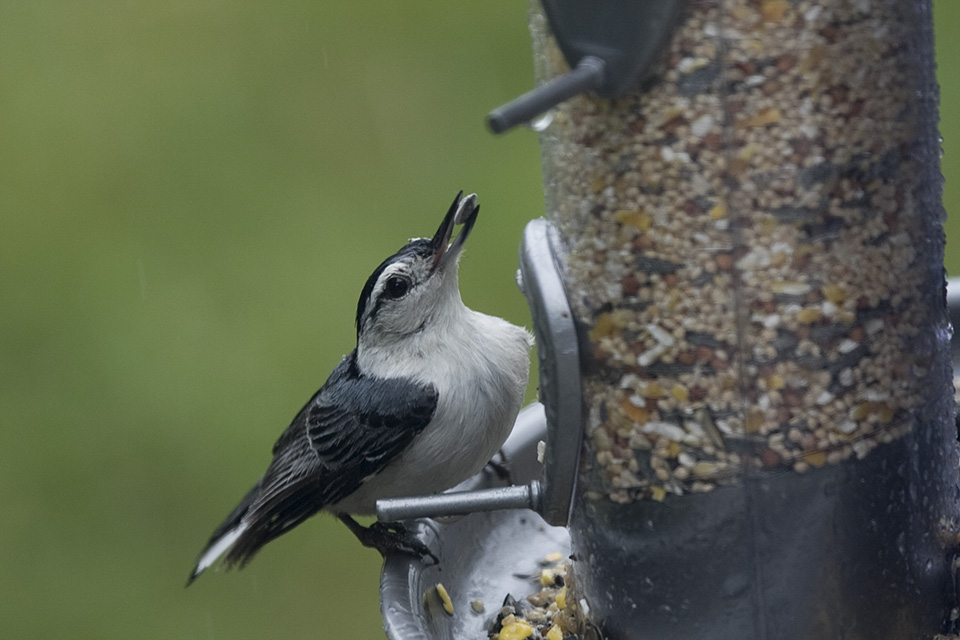
White-breasted Nuthatch (Meleagris gallopavo)

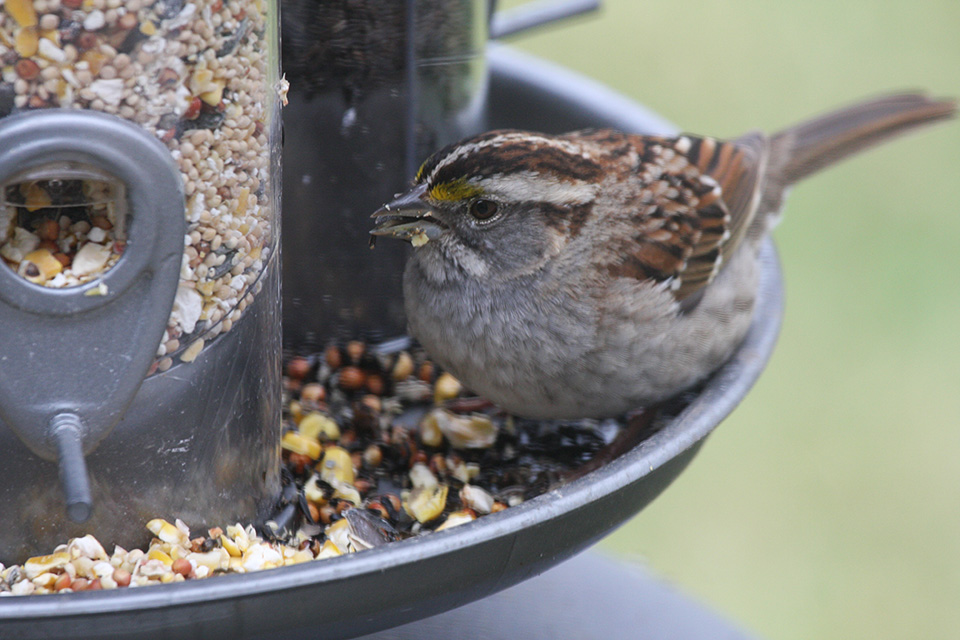
White-throated Sparrow (Zonotrichia albicollis)

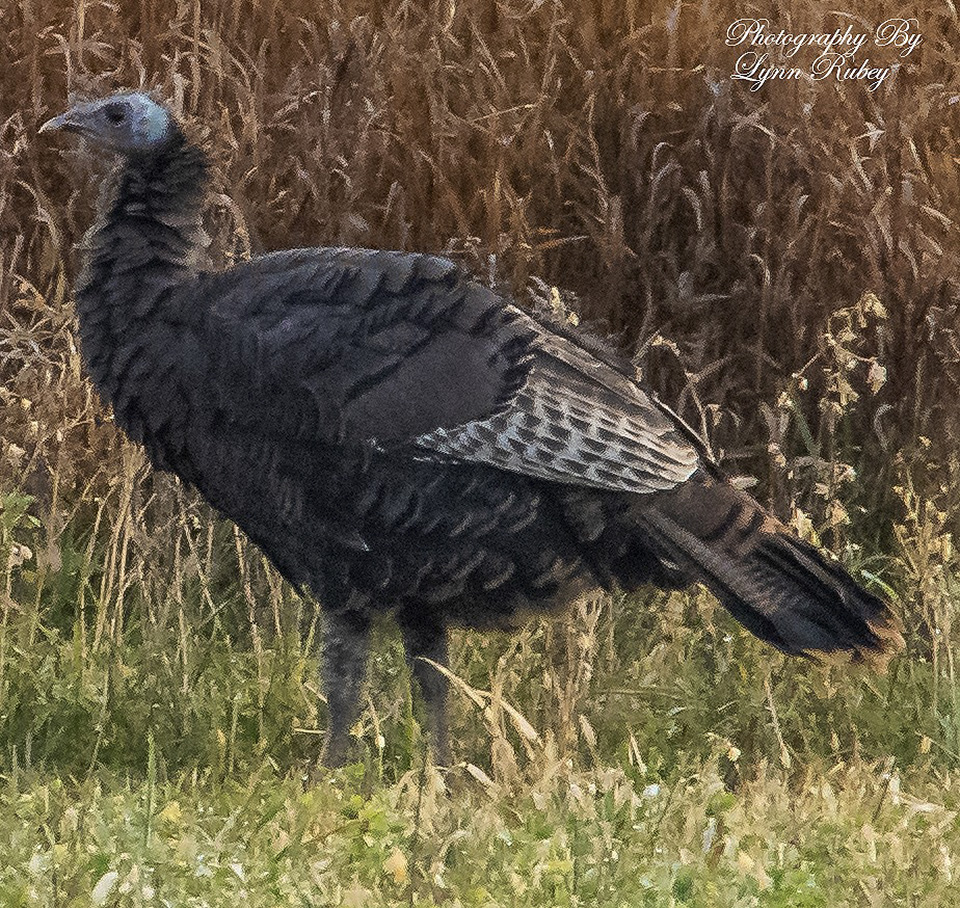
Wild Turkey (Meleagris gallopavo)

Wood Duck (Aix sponsa)

Canada Goose


Mallard


Northern Cardinal


White-breasted Nuthatch


Wild Turkey


White-throated Sparrow


Fungi


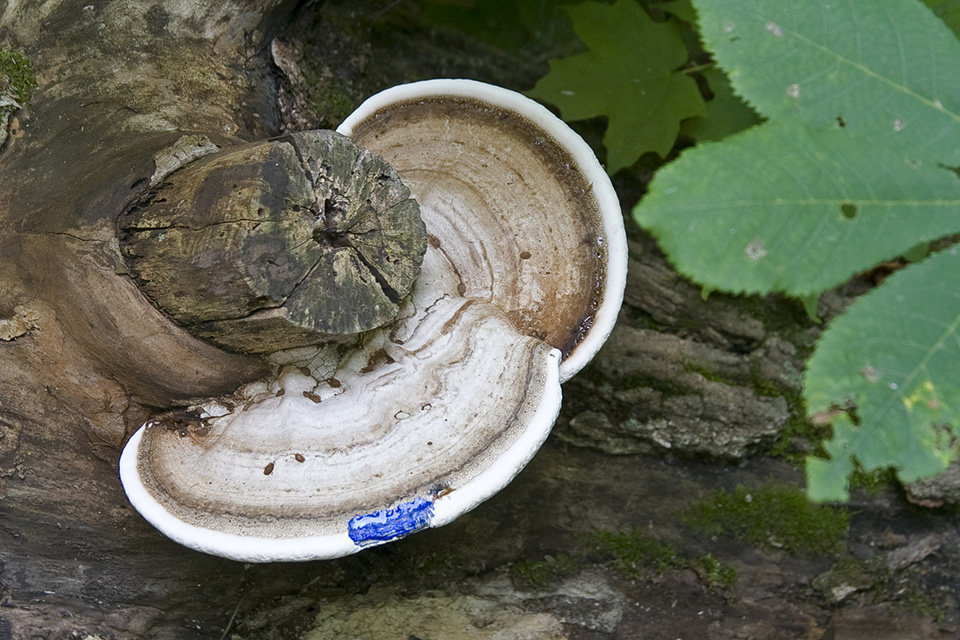
Artist’s Conk (Ganoderma applanatum)

Black Knot (Apiosporina morbosa)

Artist’s Conk


Insects and Arachnids


cabbage white (Pieris rapae)

chokecherry finger gall mite (Eriophyes emarginatae)

eastern tent caterpillar (Malacosoma americanum)

multicolored Asian lady beetle (Harmonia axyridis f. succinea)

red admiral (Vanessa atalanta)

finger gall of chokecherry finger gall mite


Mammals


American red squirrel (Tamiasciurus hudsonicus)

Canadian beaver (Castor canadensis canadensis)

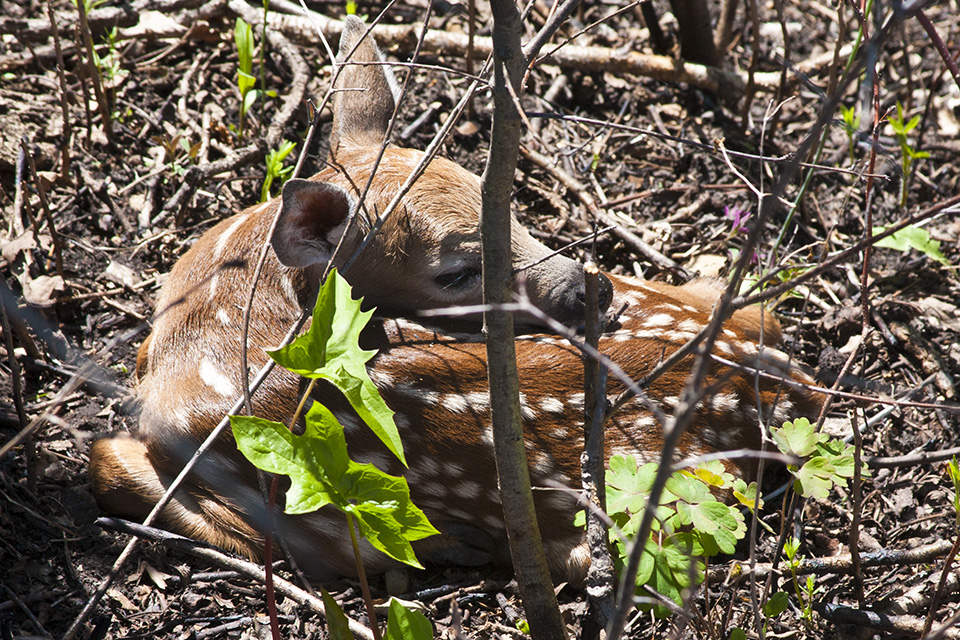
whitetail deer (Odocoileus virginianus)

whitetail deer

Plants

One plant species with protected status in Minnesota and three tracked species are found here:

Endangered – false Indian plantain (Hasteola suaveolens)

Tracked – Kentucky coffee tree (Gymnocladus dioica), Virginia bugleweed (Lycopus virginicus), wild grape (Vitis riparia)


A giant plains cottonwood in the floodplain forest measures over 7 in diameter and over 21 in circumference at breast height.


University of Minnesota Herbarium Plant List


Plants frequently found in:

Pin Oak - Bur Oak Woodland FDs37b

Silver Maple - (Virginia Creeper) Floodplain Forest FFs68a


American basswood (Tilia americana)

American elm (Ulmus americana)

black cherry (Prunus serotina var. serotina)

black walnut (Juglans nigra)

black-seeded plantain (Plantago rugelii var. rugelii)

bland sweet cicely (Osmorhiza claytonii)

bloodroot (Sanguinaria canadensis)

boxelder (Acer negundo var. negundo)

bristly greenbrier (Smilax tamnoides)

bull thistle (Cirsium vulgare)

bur oak (Quercus macrocarpa var. macrocarpa)

Canada moonseed (Menispermum canadense)

Canadian woodnettle (Laportea canadensis)

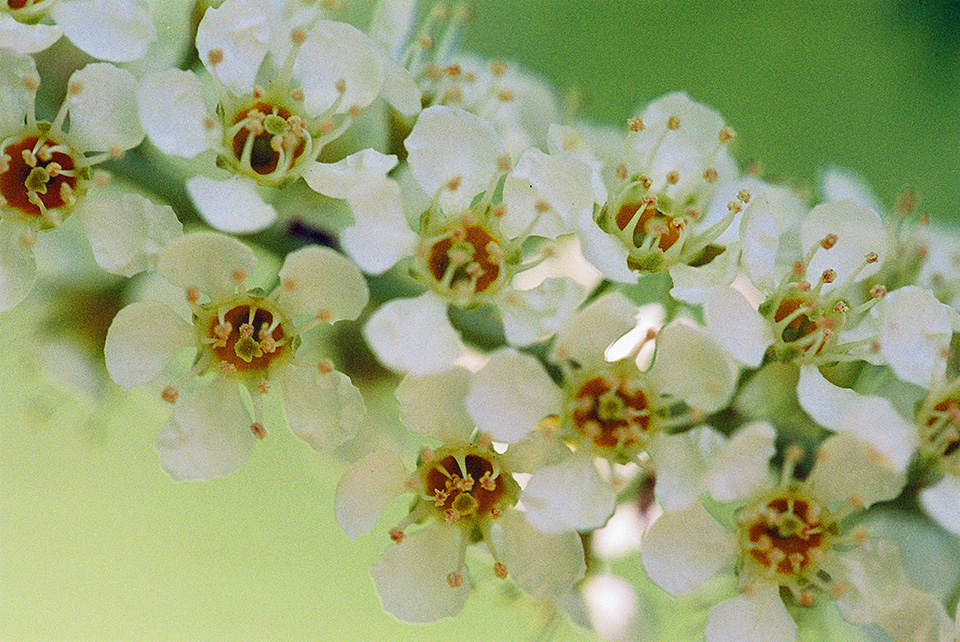
chokecherry (Prunus virginiana var. virginiana)

cleavers (Galium aparine)

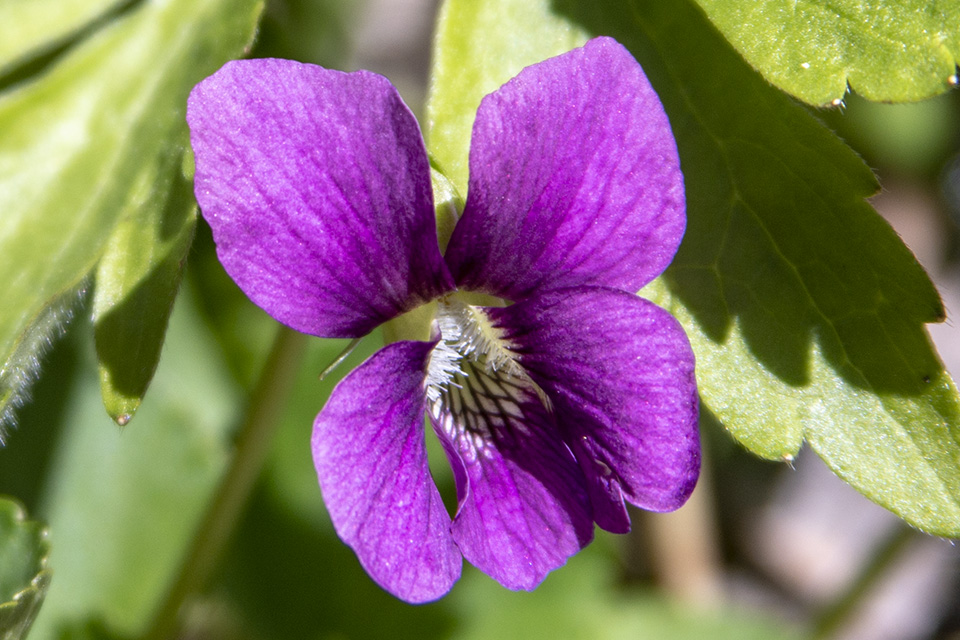
common blue violet (Viola sororia)

common buckthorn (Rhamnus cathartica)

common burdock (Arctium minus)

common dandelion (Taraxacum officinale ssp. officinale)

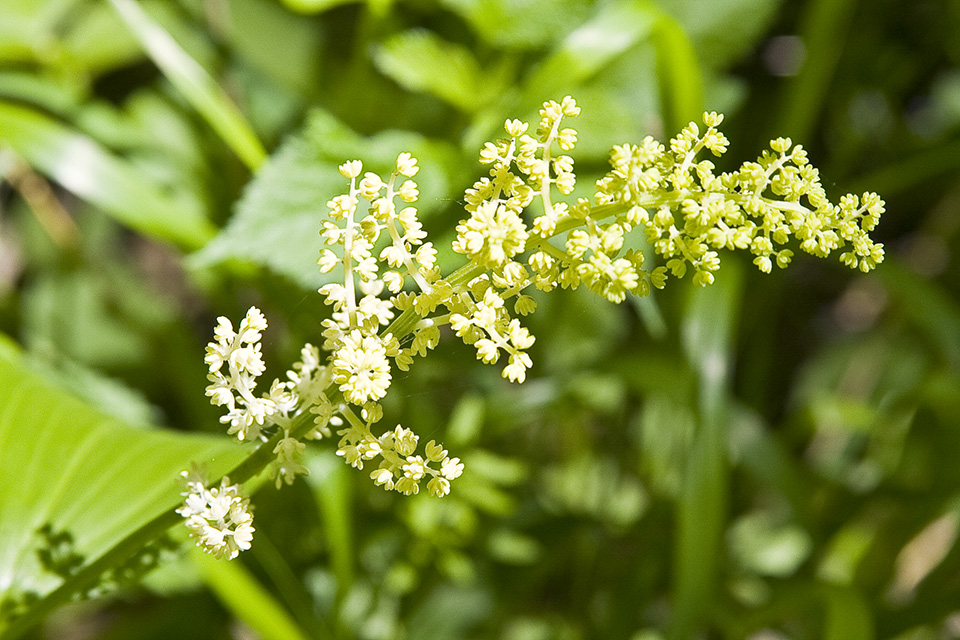
common false Solomon’s seal (Maianthemum racemosum var. racemosum)

common motherwort (Leonurus cardiaca)

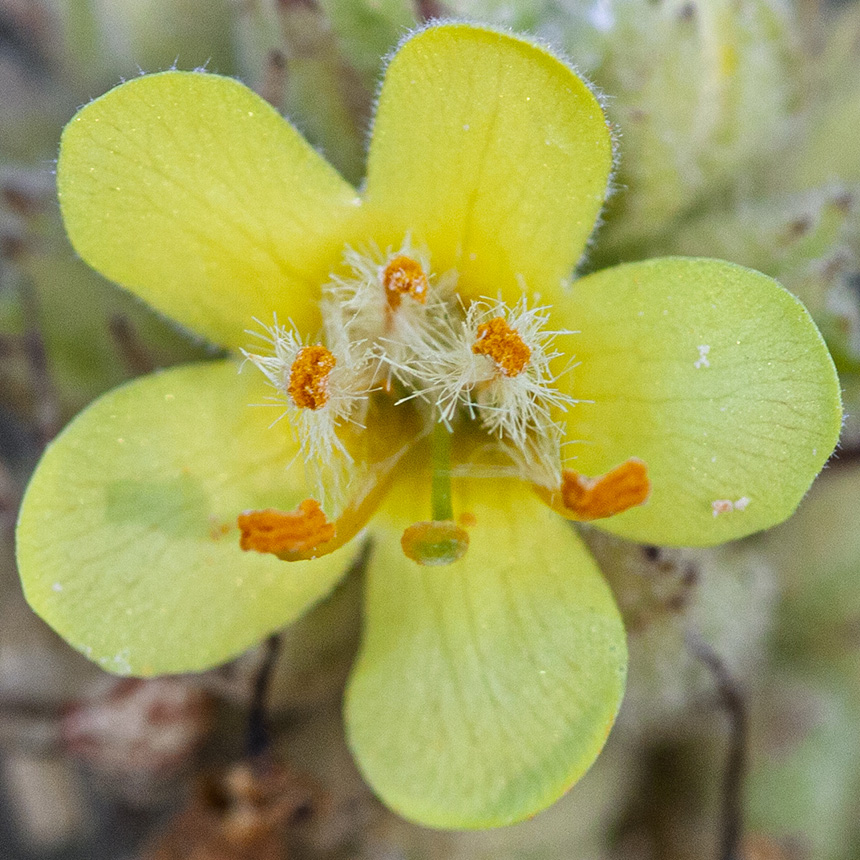
common mullein (Verbascum thapsus ssp. thapsus)

common plantain (Plantago major)

common ragweed (Ambrosia artemisiifolia)

cut-leaved toothwort (Cardamine concatenata)

downy yellow violet (Viola pubescens var. pubescens)

Dutchman’s breeches (Dicentra cucullaria)

early buttercup (Ranunculus fascicularis)

eastern false rue anemone (Enemion biternatum)

field pennycress (Thlaspi arvense)

fragrant bedstraw (Galium triflorum)

garlic mustard (Alliaria petiolata)

giant chickweed (Myosoton aquaticum)

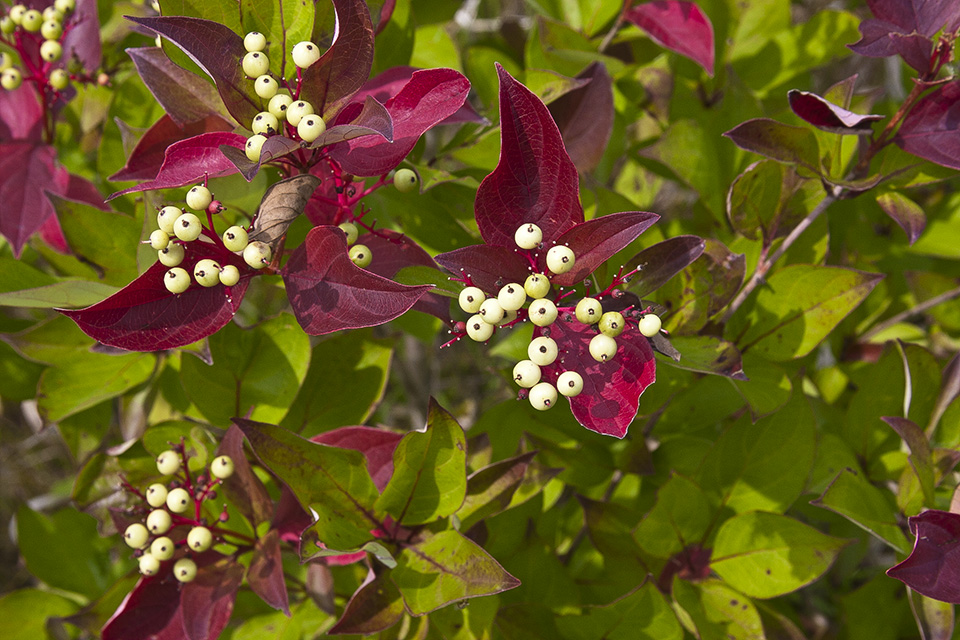
gray dogwood (Cornus racemosa)

ground ivy (Glechoma hederacea)

Illinois carrion flower (Smilax illinoensis)

ironwood (Ostrya virginiana var. virginiana)

Jack-in-the-pulpit (Arisaema triphyllum)

kidney-leaved buttercup (Ranunculus abortivus)

large-flowered bellwort (Uvularia grandiflora)

Missouri gooseberry (Ribes missouriense)

Morrow’s honeysuckle (Lonicera morrowii)

northern hackberry (Celtis occidentalis)

northern pin oak (Quercus ellipsoidalis)

northern prickly ash (Zanthoxylum americanum)

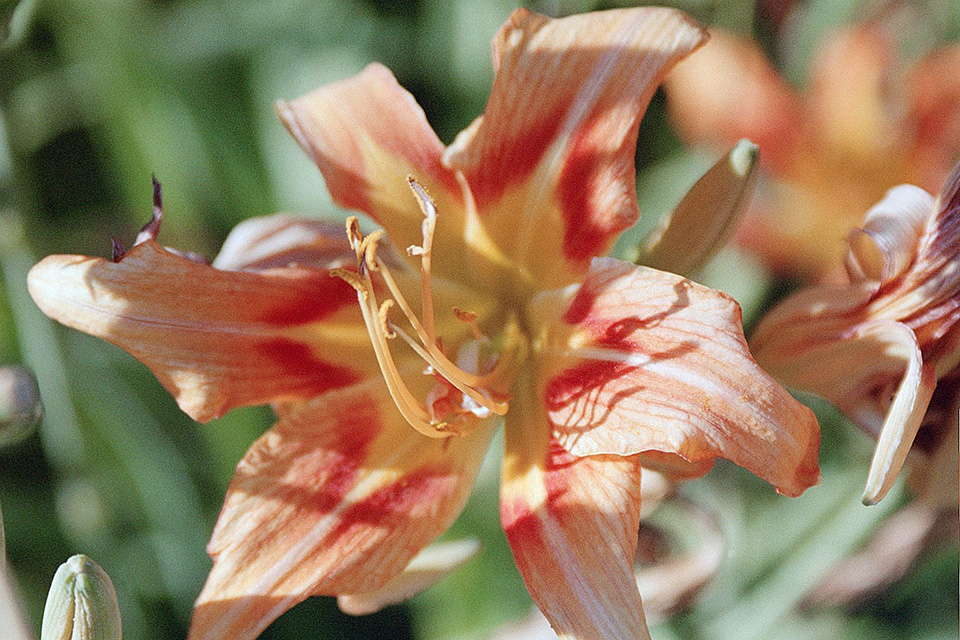
orange daylily (Hemerocallis fulva)

ostrich fern (Matteuccia struthiopteris var. pensylvanica)

Pennsylvania bitter-cress (Cardamine pensylvanica)

Pennsylvania sedge (Carex pensylvanica)

plains cottonwood (Populus deltoides ssp. molinifera)

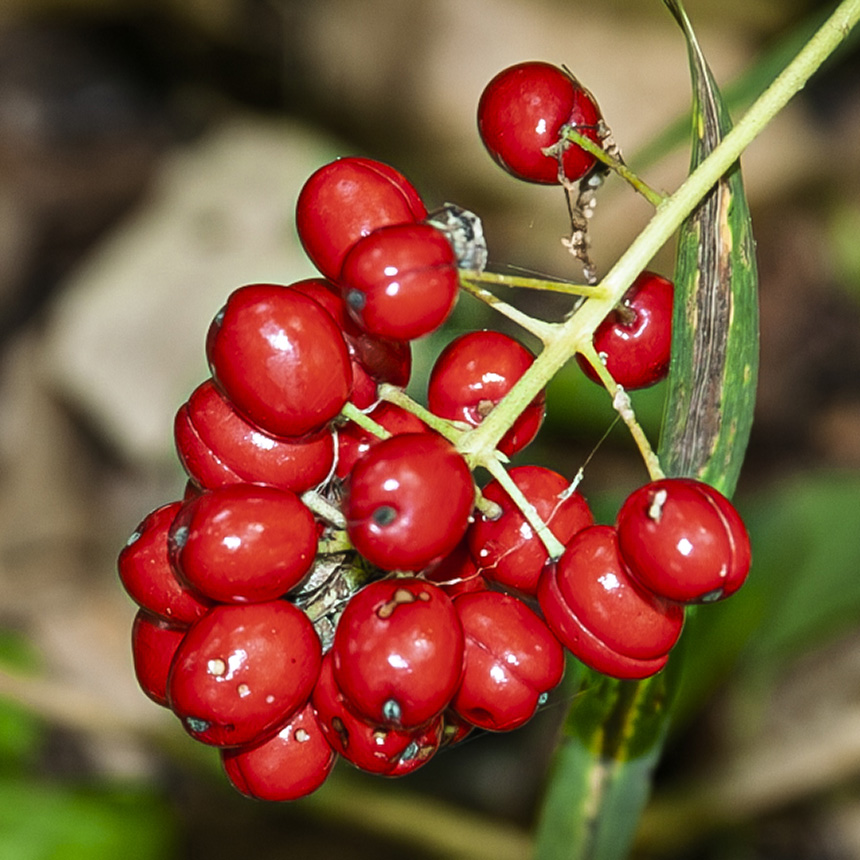
red baneberry (Actaea rubra ssp. rubra)

red maple (Acer rubrum var. rubrum)

rough cocklebur (Xanthium strumarium)

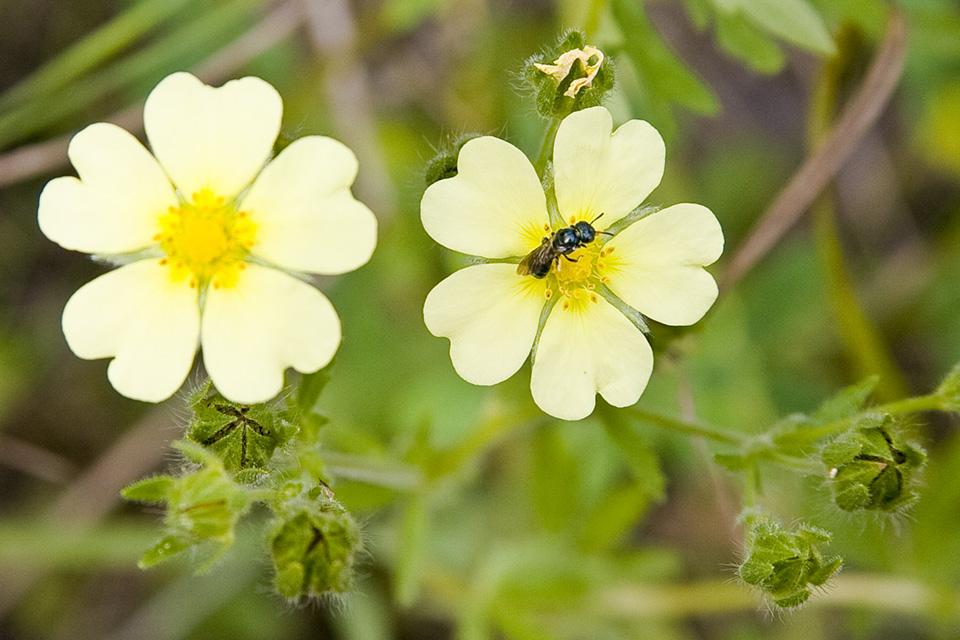
rough-fruited cinquefoil (Potentilla recta)

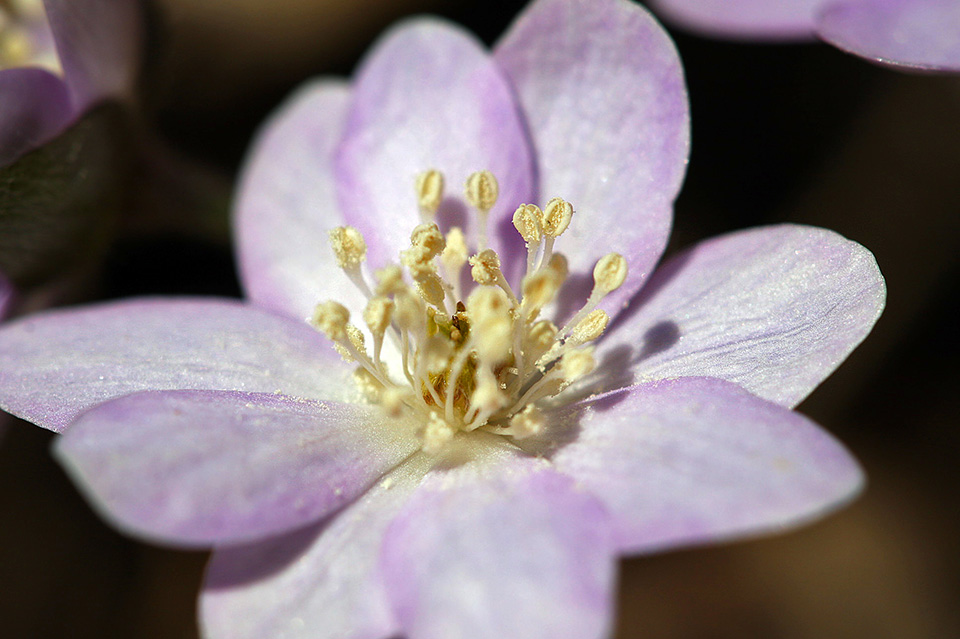
sharp-lobed hepatica (Anemone acutiloba)

Short’s rockcress (Boechera dentata)

silver maple (Acer saccharinum)

smooth Solomon’s seal (Polygonatum biflorum var. commutatum)

southern blue flag (Iris virginica var. shrevei)

stinging nettle (Urtica dioica ssp. gracilis)

Tartarian honeysuckle (Lonicera tatarica)

upright carrionflower (Smilax ecirrhata)

Virginia waterleaf (Hydrophyllum virginianum var. virginianum)

water horsetail (Equisetum fluviatile)

white trout lily (Erythronium albidum)

wild blue phlox (Phlox divaricata ssp. laphamii)

wild geranium (Geranium maculatum)

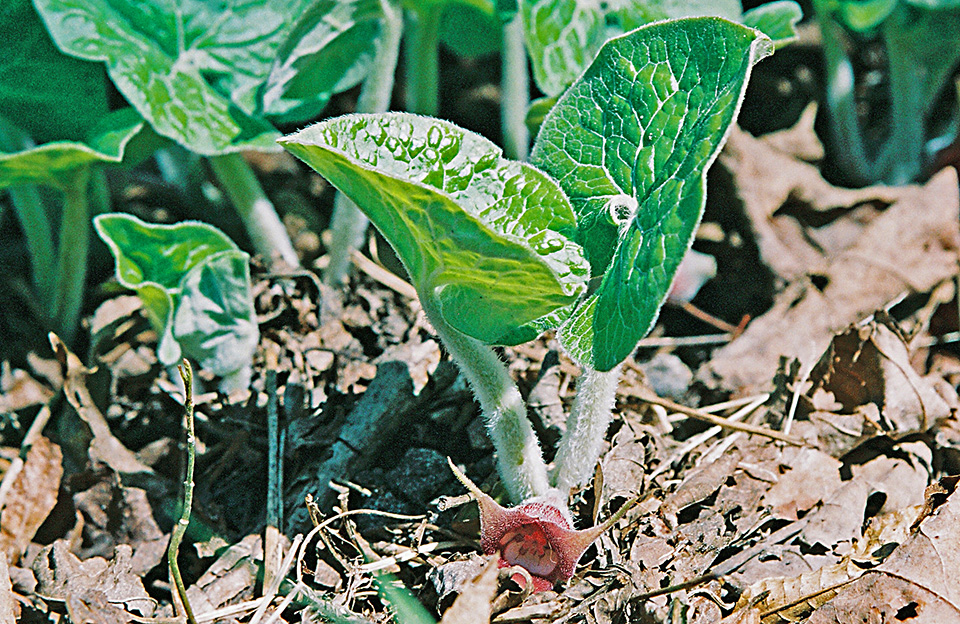
wild ginger (Asarum canadense)

wild grape (Vitis riparia)

wild leek (Allium tricoccum)

woodbine (Parthenocissus vitacea)

black cherry


bloodroot


bur oak (var. macrocarpa)


chokecherry


common blue violet


common false Solomon’s seal


common mullein


cut-leaved toothwort


Dutchman’s breeches


gray dogwood


large-flowered bellwort


Morrow’s honeysuckle


orange daylily


red baneberry


rough-fruited cinquefoil


sharp-lobed hepatica


Virginia waterleaf


wild geranium


wild ginger


Reptiles


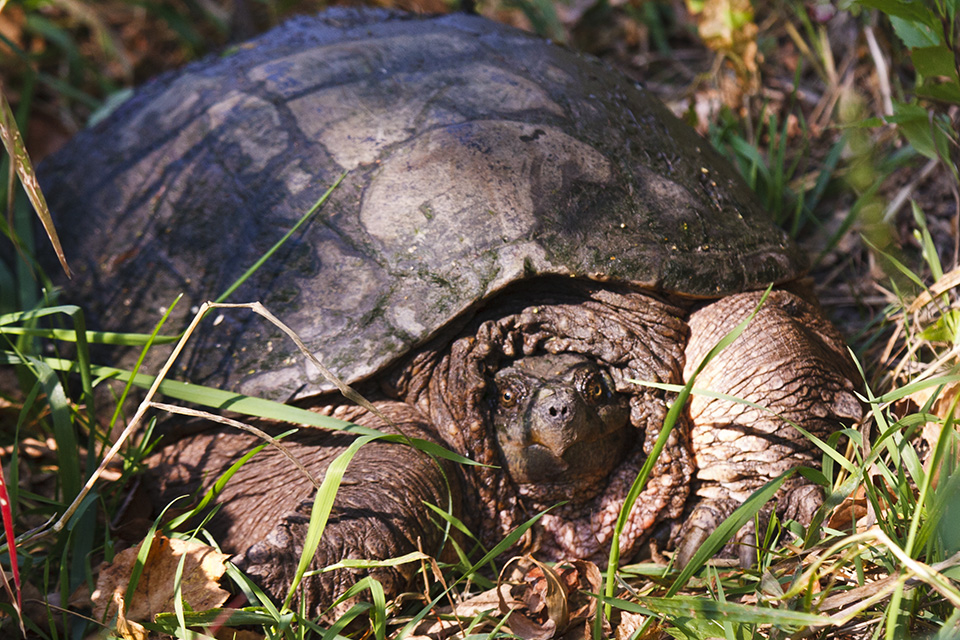
common snapping turtle (Chelydra serpentina var. serpentina)

common snapping turtle


Visits

4/29/2012


Driving Directions


with Google Maps

Last Updated:

About Us | Privacy Policy | Contact Us | © 2013 MinnesotaSeasons.com. All rights reserved.