



Minnesota Seasons
Destinations

These are locations in Minnesota where native plants, birds, and other wildlife can be viewed. With very few exceptions, these destinations are open to the public.
Visitors can share their own photos, videos, plant and wildlife sightings, and other observations or comments.
Plants
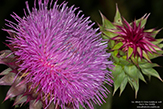
Native, naturalized, invasive, or simply planted—any plant growing outside of cultivation in Minnesota.
More than 1,000 plant pages are built on sightings, photos, and videos shared by our visitors and by Minnesota Seasons. Each page includes a profile, distribution map, and sighting lists.
Insects and Arachnids
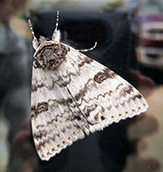
Insects and arachnids found in Minnesota.
More than 1,300 pages are built on sightings, photos, and videos shared by our visitors and by Minnesota Seasons. Each profile includes a distribution map and sighting lists.
Wildlife
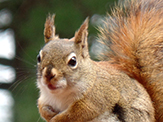
Birds and bears, snakes and squirrels, toads and turtles—wildlife found in Minnesota.
These wildlife profiles are built on sightings, photos, and videos shared by our visitors and by Minnesota Seasons. Each page includes a distribution map and sighting lists.
Mushrooms, Lichens, and Other Fungi
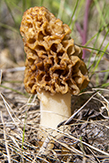
Mushrooms, lichens, and other fungi found in Minnesota.
More than 300 pages are built on sightings, photos, and videos shared by our visitors and by Minnesota Seasons. Each profile includes a distribution map and sighting lists.
492
Destinations
2,976
Species*
* Species pages may represent a species, subspecies, variety, genus, family, or other taxonmomic group, or an unidentified organism. Using the word “taxa” here would be more accurate but less widely understood.
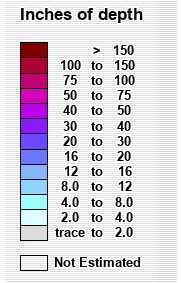
Snow Depth
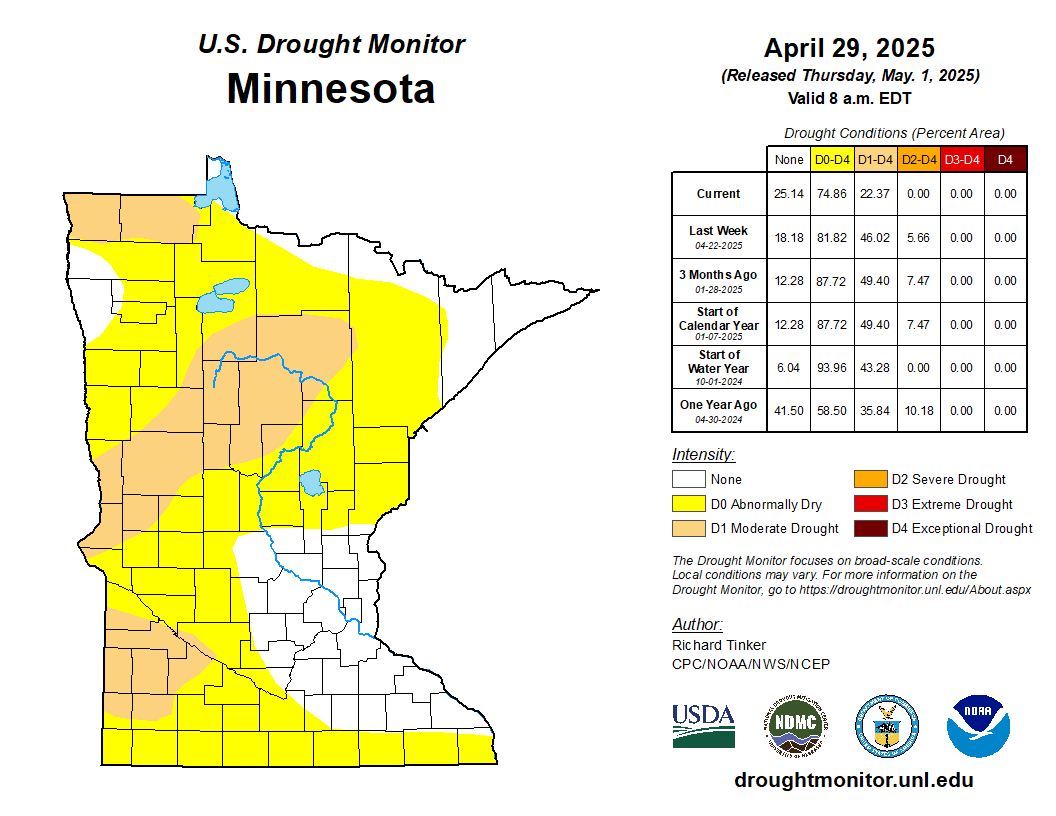
Drought Monitor
Ecological Seasons
Prevernal Season

Prevernal is the transitional ecological season often referred to as ‘pre-spring.’ It marks the period between the permanent snow cover of the Hibernal season and the first floral blooms of Spring. In Minnesota, this window typically opens around March 1 as average daily high temperatures begin to climb above freezing, initiating the spring thaw.
During this season, the landscape transitions from white to brown as the snowpack recedes, exposing ‘mud season’ and dormant vegetation. Key biological markers include the swelling of buds on deciduous trees—particularly Silver Maples and Willows—and the initial flow of sap. In the animal kingdom, the season is defined by the return of early-season migrants like Red-winged Blackbirds and the emergence of ‘snow flies’ and stoneflies near open water. The Prevernal season concludes around May 1, as the first ephemeral wildflowers emerge and the landscape begins to ‘green up.’
Vernal Season

The vernal season, or spring, is the period of most rapid transformation in the Minnesota landscape. It marks the transition from the barren dormancy of the prevernal months to a state of full biological activity. In our region, the vernal season typically begins around May 1 and lasts until approximately June 15.
This season is defined by the ‘green-up,’ as deciduous tree buds burst into leaf and the forest canopy begins to close. On the forest floor, spring ephemeral wildflowers—such as Bloodroot and Large-flowered Trillium—bloom in the brief window of sunlight before the trees fully leaf out. For birds, this is a season of intense activity; migrants return to establish breeding territories, and the ‘dawn chorus’ of birdsong becomes a daily fixture. By the end of the vernal season in mid-June, nesting is well underway, the soil has warmed significantly, and the lush, high-growth period of early summer begins.
Estival Season

The estival ecological season represents the peak of the growing year, corresponding roughly to the first half of the summer calendar. In Minnesota, this season typically begins around June 15 and extends to about August 15. During this window, the landscape is characterized by a mature, deep-green canopy as trees reach full leaf expansion.
Biologically, the estival period is the busiest time for avian species, as adults shift from establishing territories to the demanding task of hatching and provisioning their offspring. It is also the season of maximum solar energy capture; high temperatures and long daylight hours drive rapid growth in perennial plants and high insect activity. By the end of the estival season in mid-August, many songbirds begin to go quiet as the nesting cycle concludes, and the first hints of the late-summer ‘serotinal’ shift—such as the ripening of berries and the blooming of prairie grasses—begin to appear.
Serotinal Season
The serotinal season represents the late-summer transition, corresponding roughly to the second half of the calendar summer. In Minnesota, this ecological window typically begins around August 15 and concludes near September 15. It is a season defined by maturity and preparation rather than growth.
During this period, the deep greens of the estival season begin to fade as deciduous leaves lose chlorophyll and initiate their first subtle shifts in color. On the prairies and in the wetlands, late-blooming species like Goldenrods and Asters reach their peak. For avian populations, the serotinal season is a time of gathering; young birds have reached independence and join adults in ‘staging’—forming large flocks in preparation for the upcoming fall migration. The air often takes on a drier quality, and the first significant cool fronts begin to signal the end of the high-summer heat.
Autumnal Season
The autumnal season, or fall, is the period of transition from the biological activity of summer to the dormancy of winter. It follows the serotinal season as the landscape begins to shut down in response to decreasing daylight and falling temperatures. In Minnesota, the autumnal season typically begins around September 15 and lasts until approximately December 1, though its peak varies by latitude.
This season is visually defined by the senescence of deciduous leaves, as they reach full color before turning brown and falling. Forbs and grasses also enter dormancy, contributing to a significant change in the landscape’s texture and palette. For avian species, this is the primary window for the southward migration back to wintering habitats.
In the Twin Cities metro area, peak color typically arrives between late September and mid-October. The progression of the season can be monitored via the Minnesota DNR's 'Fall Color Finder,' which tracks the northern-to-southern advancement of peak color across the state. In this ecological context, the autumnal season is considered fully arrived in areas where color is at or past its peak.
Hibernal Season CURRENT
The hibernal ecological season corresponds to the winter calendar months and represents the period of deepest dormancy in the Minnesota landscape. In our region, this season typically begins around December 1 and lasts until approximately March 1. It is characterized by sustained sub-freezing temperatures, a generally snow-covered landscape, and an absence of migratory bird species.
The onset of the hibernal season is marked by two primary physical thresholds: the arrival of permanent snow cover and the ‘deep freeze.’ In the Twin Cities, the average date for the first one-inch snowfall is November 18, though ‘permanent’ snow cover—defined as at least one centimeter of snow lasting for at least one month—usually establishes by mid-December. This shift is accompanied by a sharp drop in temperature; by December 3, the average daily high in the metro area typically falls below freezing.
During this season, deciduous trees remain bare as fallen leaves decay beneath the snowpack. Resident wildlife survives through specialized adaptations, while migratory birds have fully settled into their winter habitats. The hibernal season remains the dominant state of the landscape until the first thaws of the prevernal transition in early March.
Recent Uploads
January
|
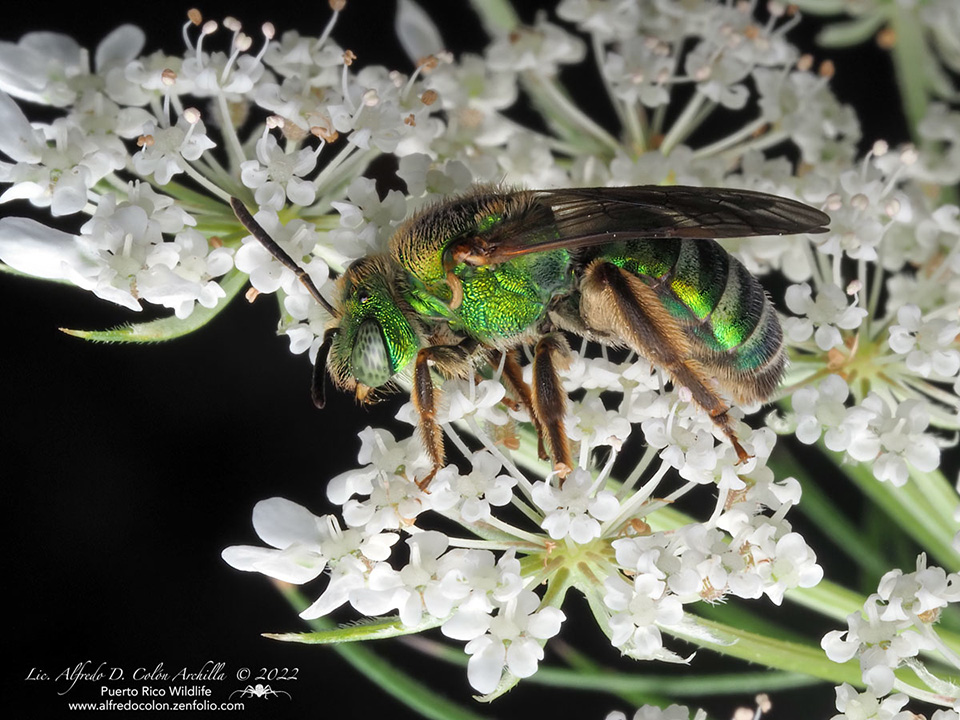
Alfredo Colon uploaded 2 photos of fine striped sweat bee 12/9/2022. |
|
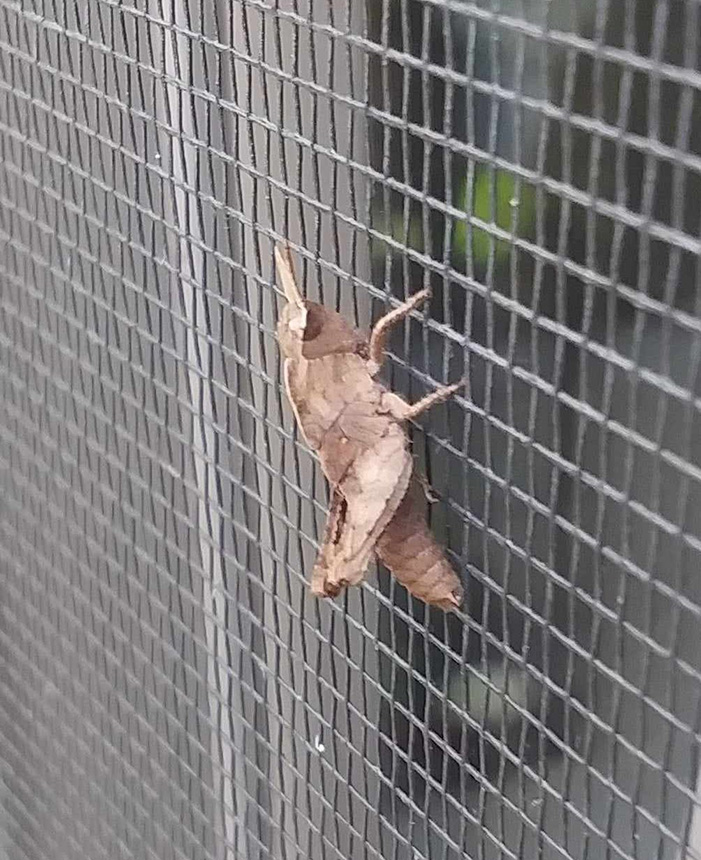
Luciearl uploaded 1 photo of two-striped grasshopper 10/18/2023. |
|
Kirk Nelson uploaded 1 video of Pileated Woodpecker 1/25/2026. |
|
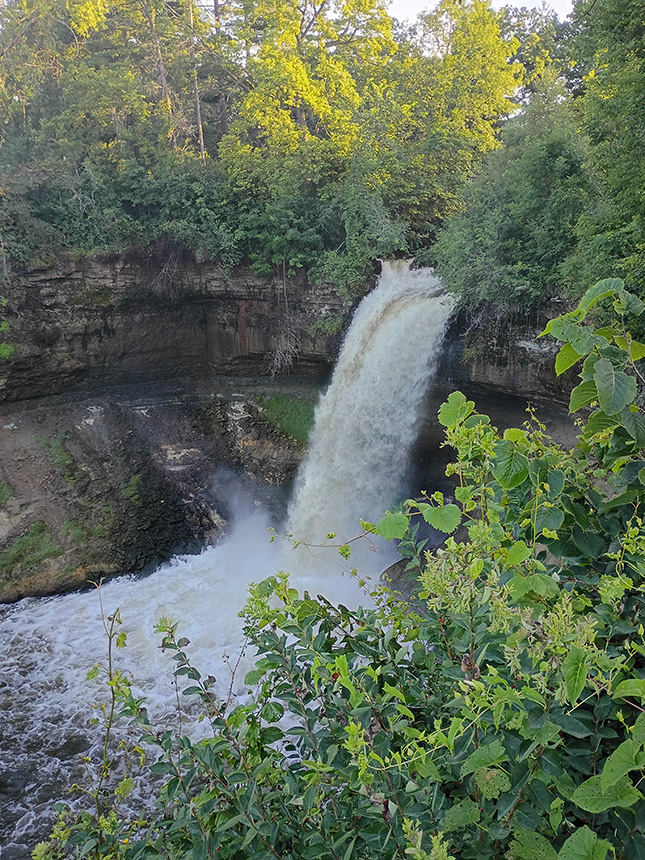
Kirk Nelson uploaded 7 photos of Minnehaha Regional Park 1/25/2026. |
|
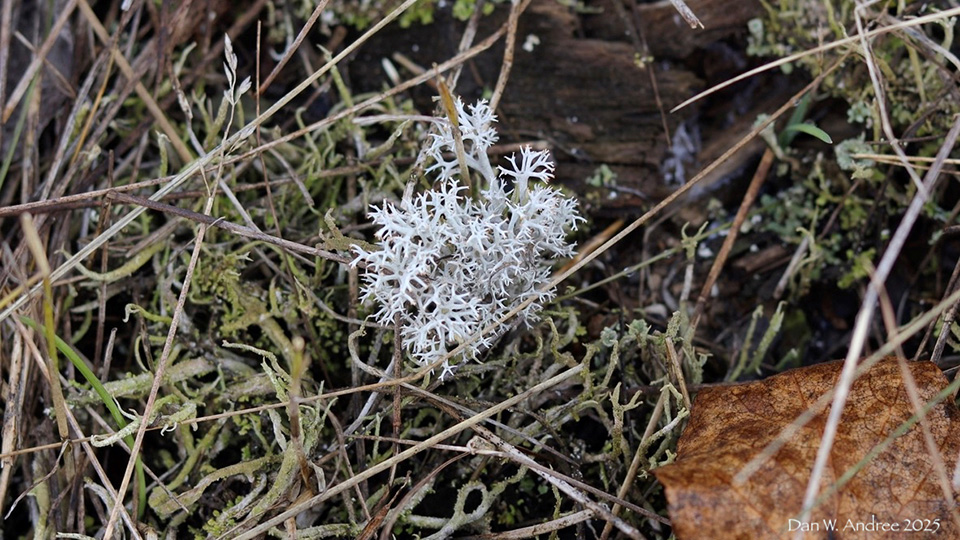
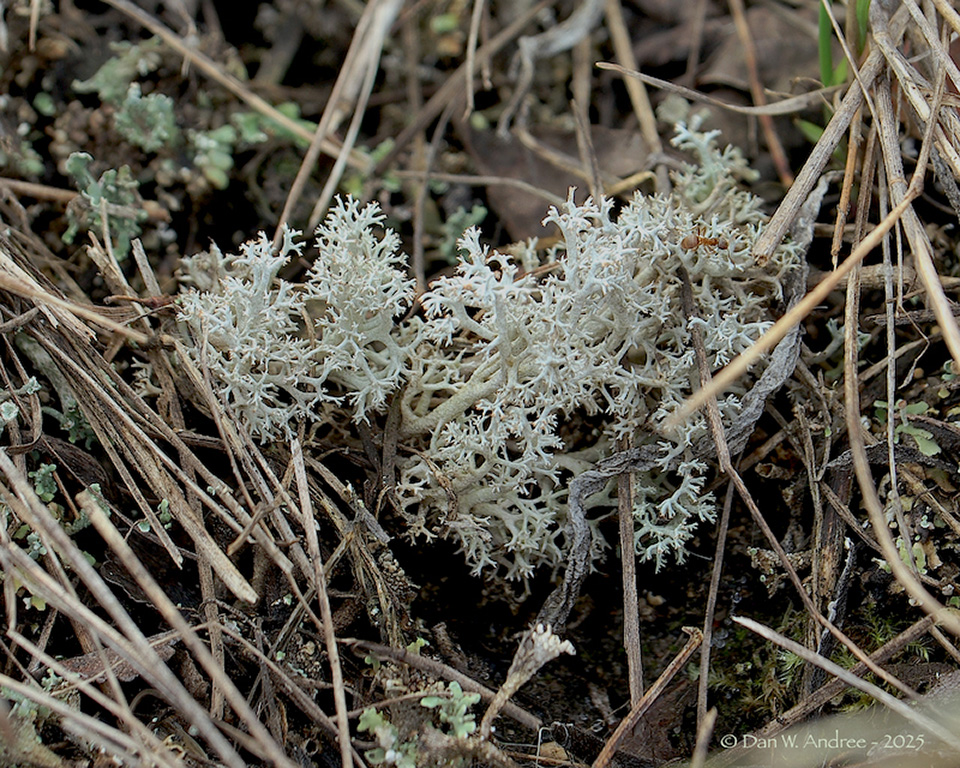
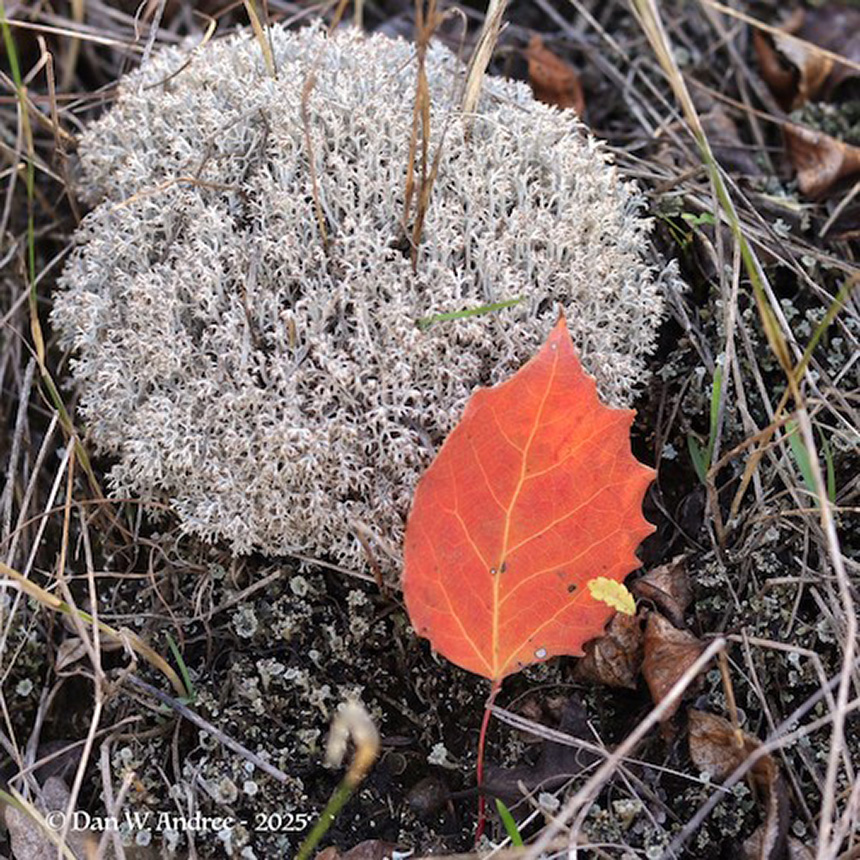
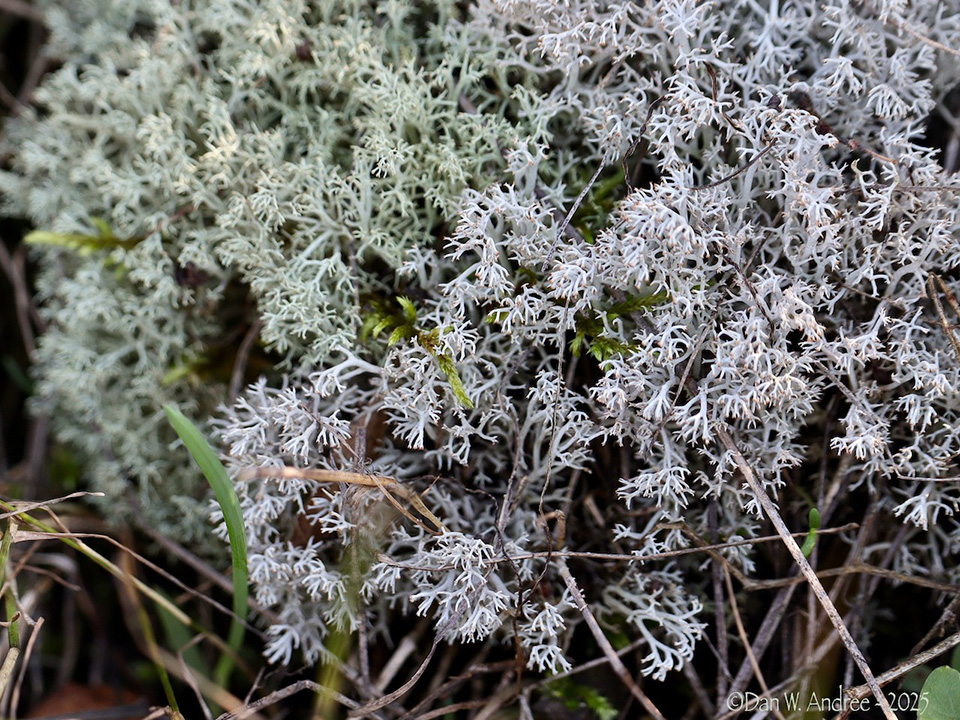
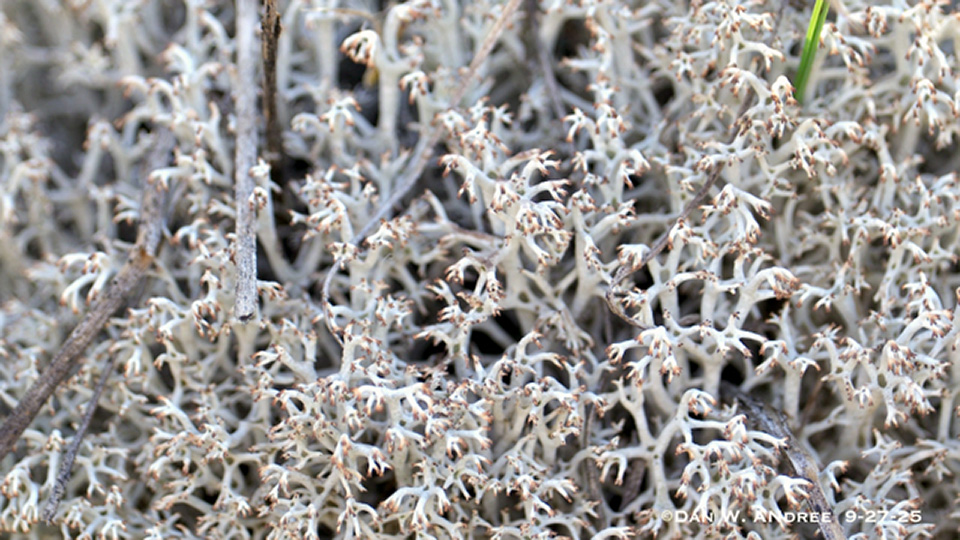
Dan W. Andree uploaded 1 photo of Gray Reindeer Lichen 1/5/2026. |
|
Dan W. Andree uploaded 1 photo of ants (Formica spp.) on Gray Reindeer Lichen 11/13/2025. |
|
Dan W. Andree uploaded 2 photos of Gray Reindeer Lichen 10/24/2025. |
|
Dan W. Andree uploaded 2 photos of Gray Reindeer Lichen 10/23/2025. |
|
Dan W. Andree uploaded 1 photo of Gray Reindeer Lichen 10/1/2025. |
|
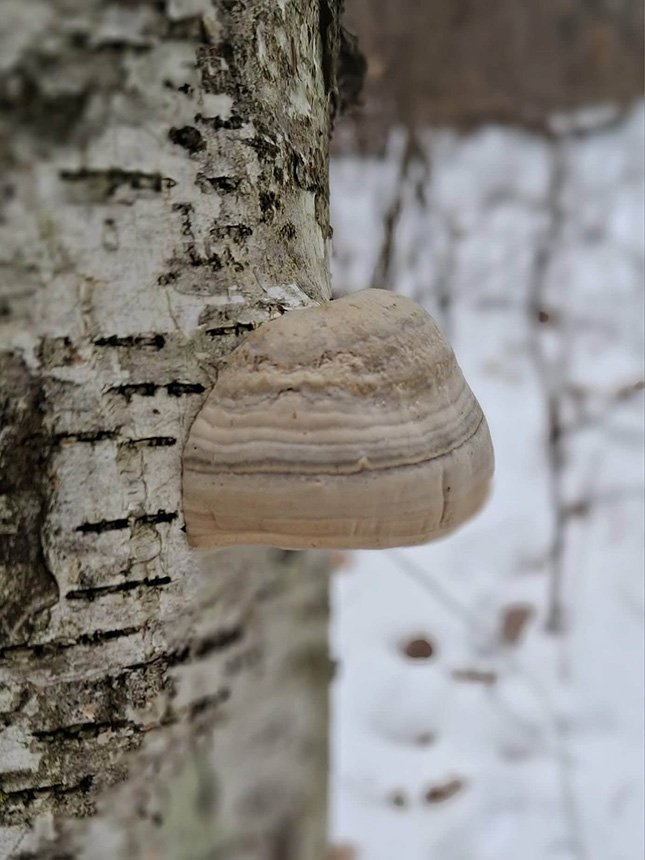
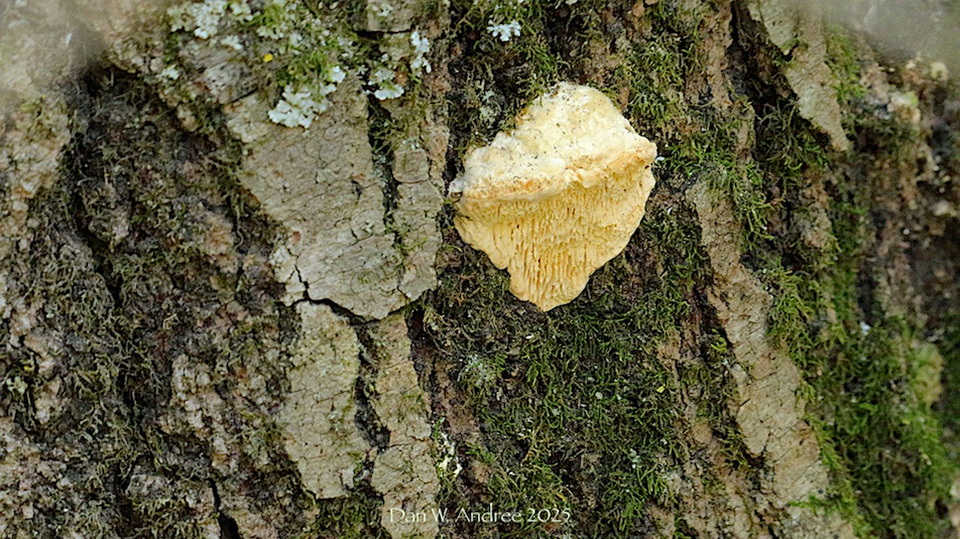
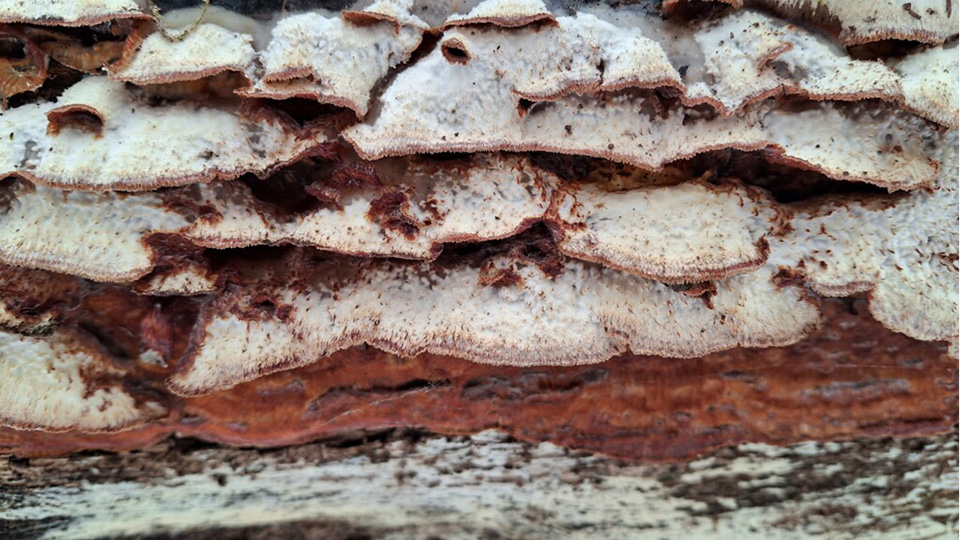
Luciearl uploaded 1 photo of Tinder Polypore 1/24/2026. |
|
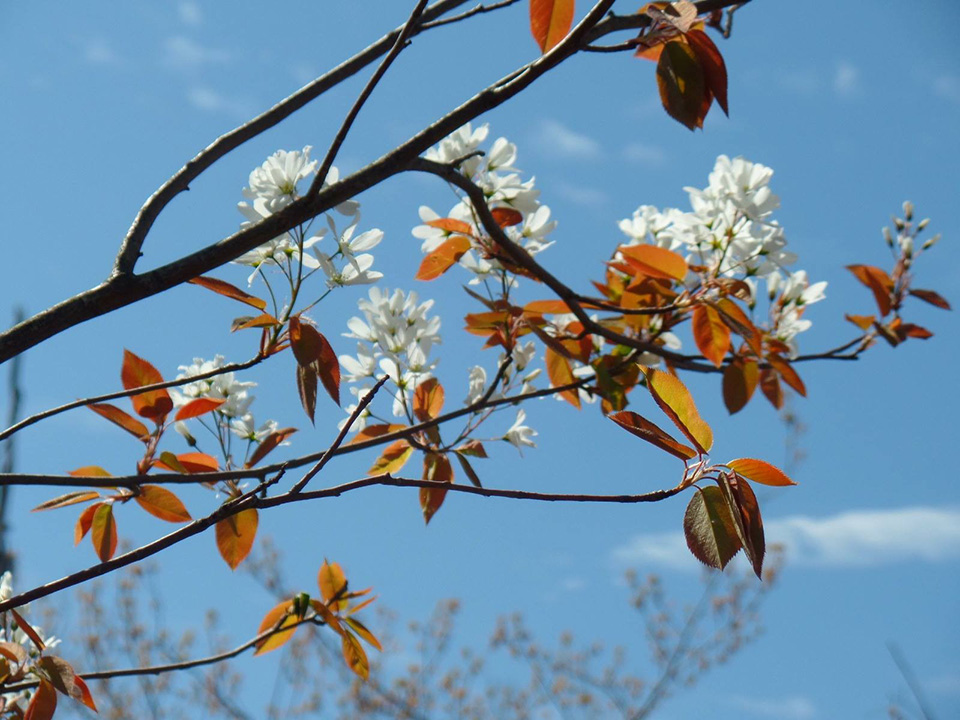
Luciearl uploaded 1 photo of inland serviceberry 1/24/2026. |
|
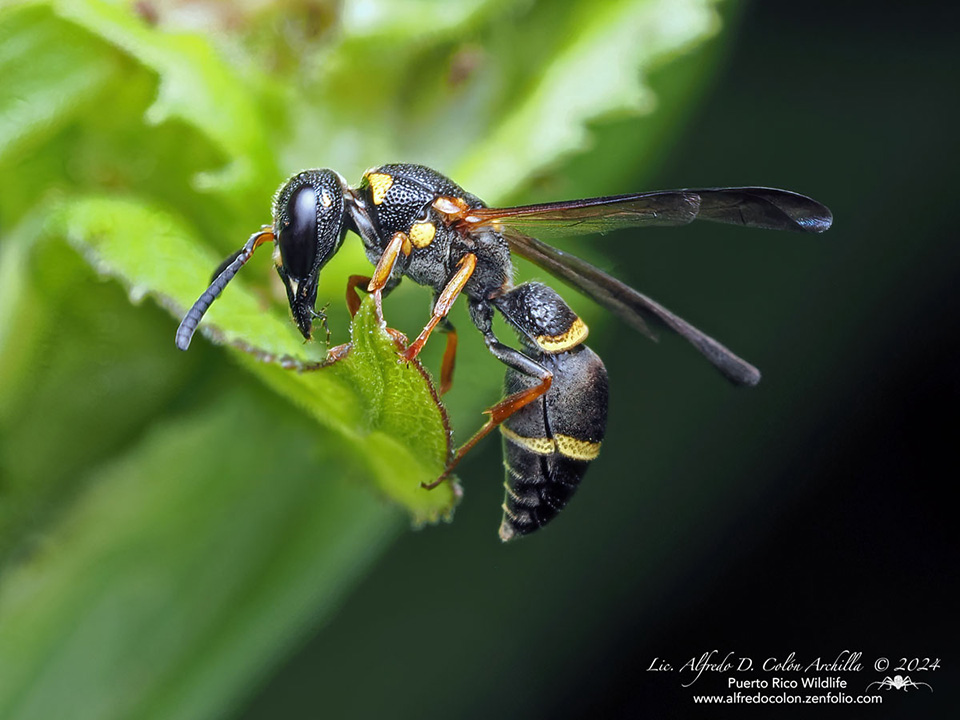
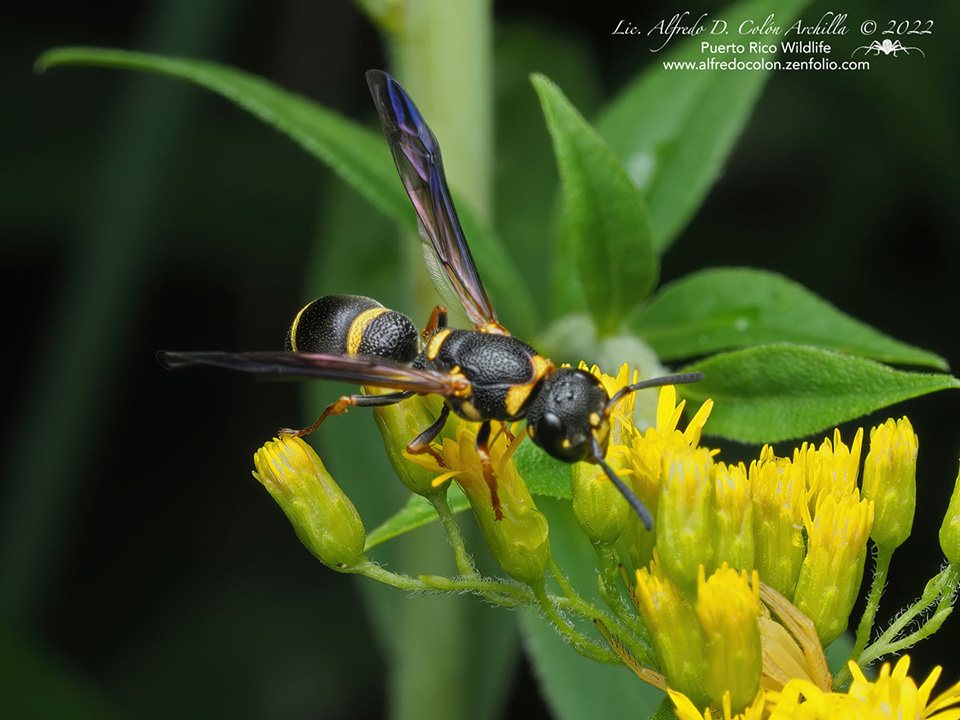
Alfredo Colon uploaded 1 photo of perennial mason wasp 11/12/2024. |
|
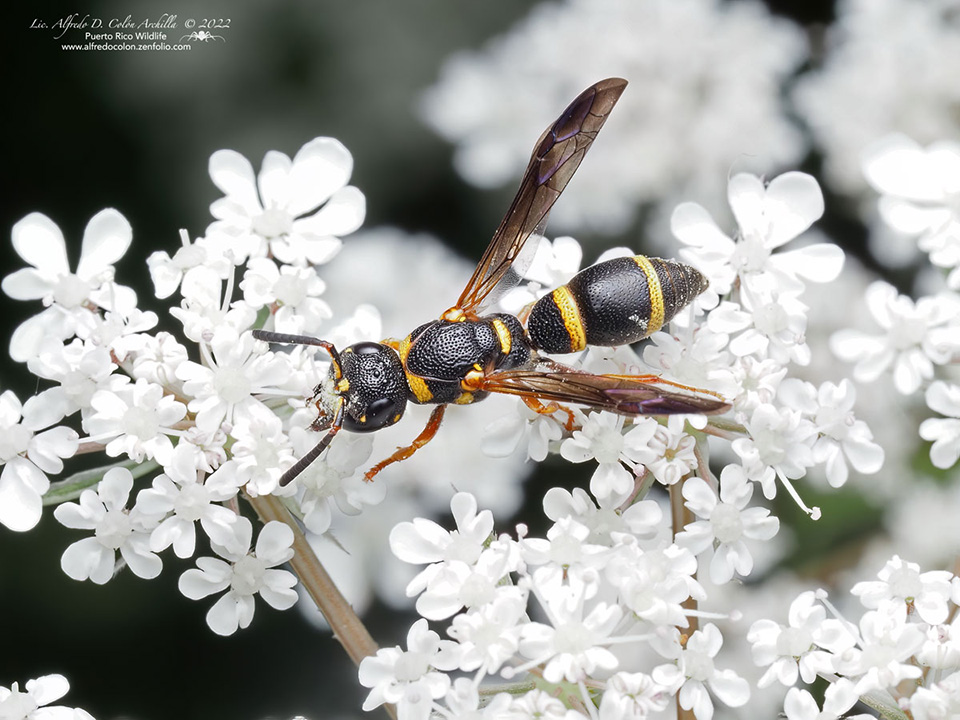
Alfredo Colon uploaded 1 photo of perennial mason wasp 12/24/2022. |
|
Alfredo Colon uploaded 1 photo of perennial mason wasp 12/9/2022. |
|
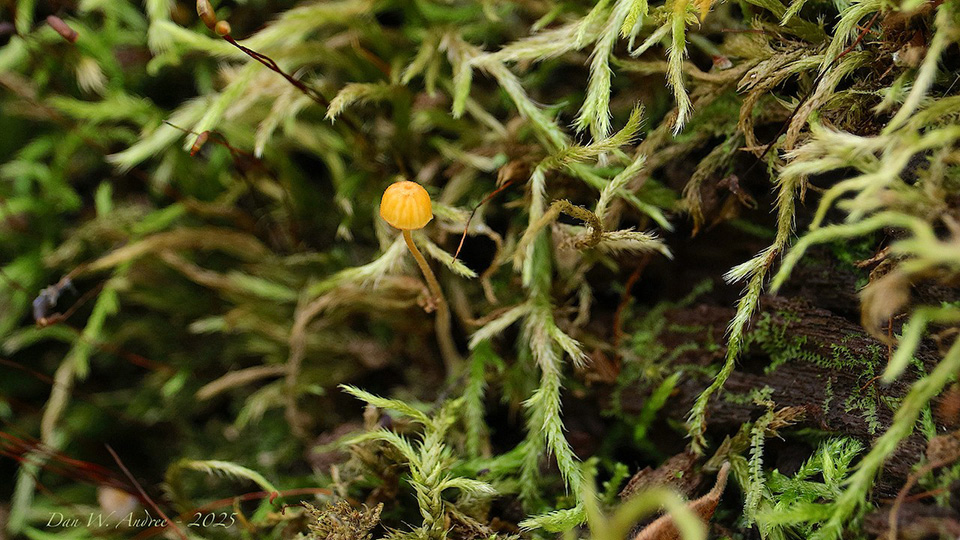
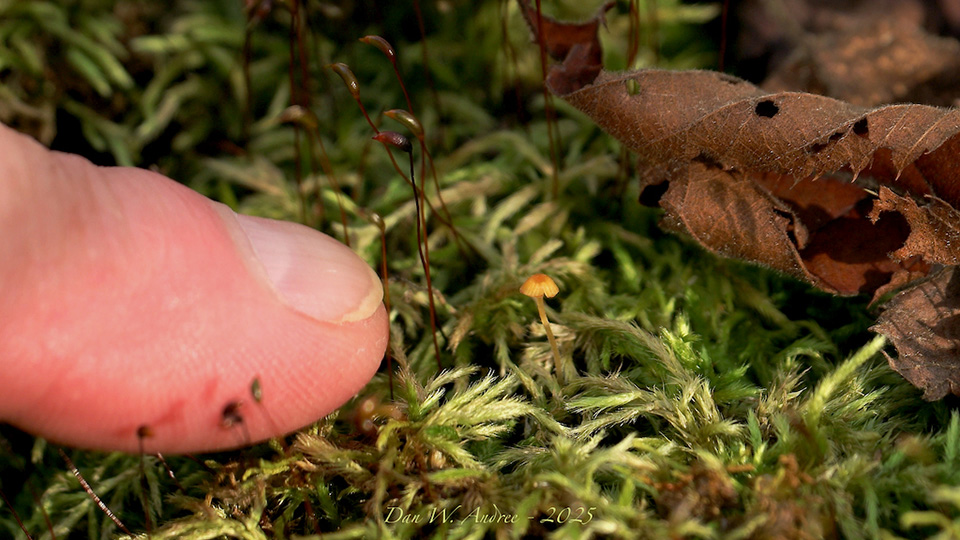
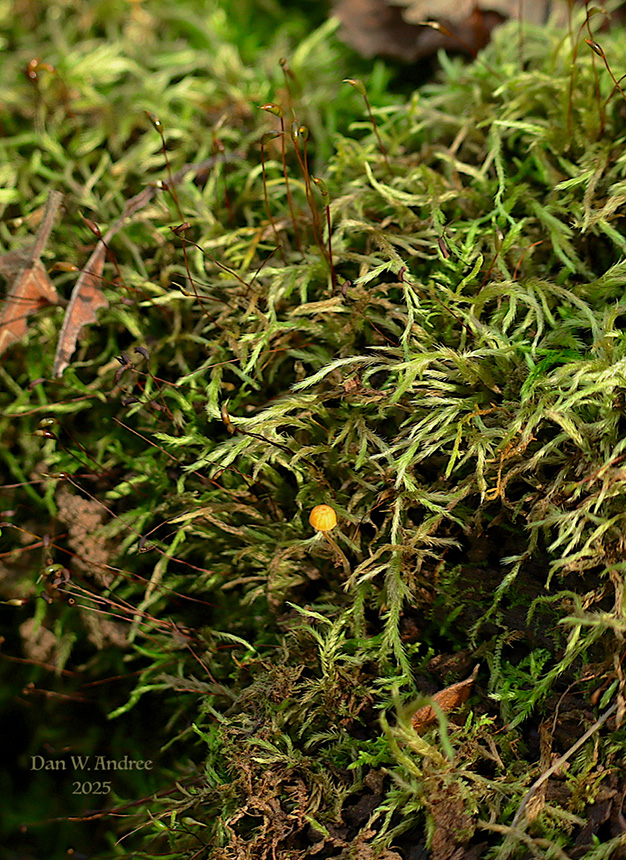
Dan W. Andree uploaded 3 photos of Orange Pinwheel 9/27/2025. |
|
Dan W. Andree uploaded 2 photos of Orange Pinwheel 9/26/2025. |
|
Dan W. Andree uploaded 1 photo of Orange Pinwheel 9/25/2025. |
|
Nicole Rojas-Oltmanns uploaded 1 video of pitcher-plant mosquito larvae in northern purple pitcherplant 1/2/2026. |
|
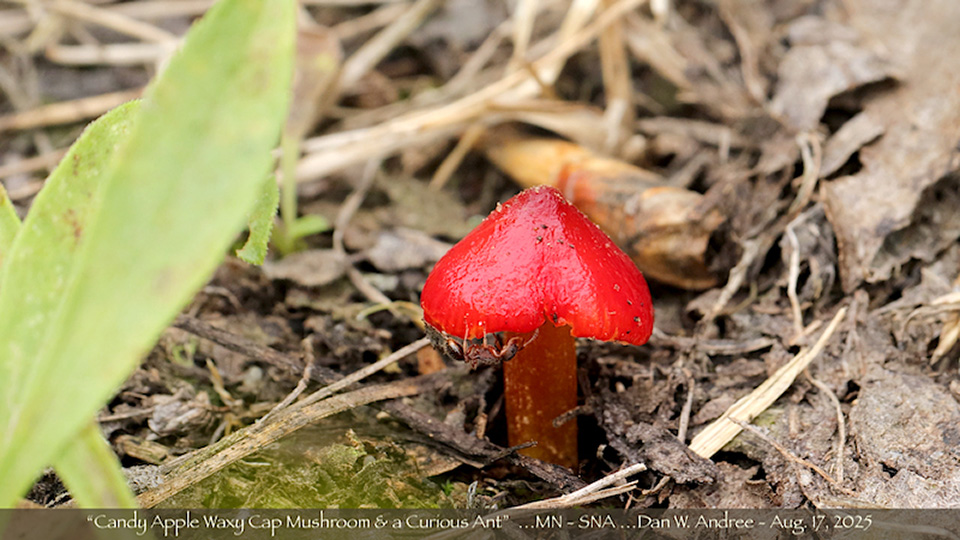
Dan W. Andree uploaded 1 photo of ants (family Formicidae) on Candy Apple Waxy Cap 1/20/2026. |
|
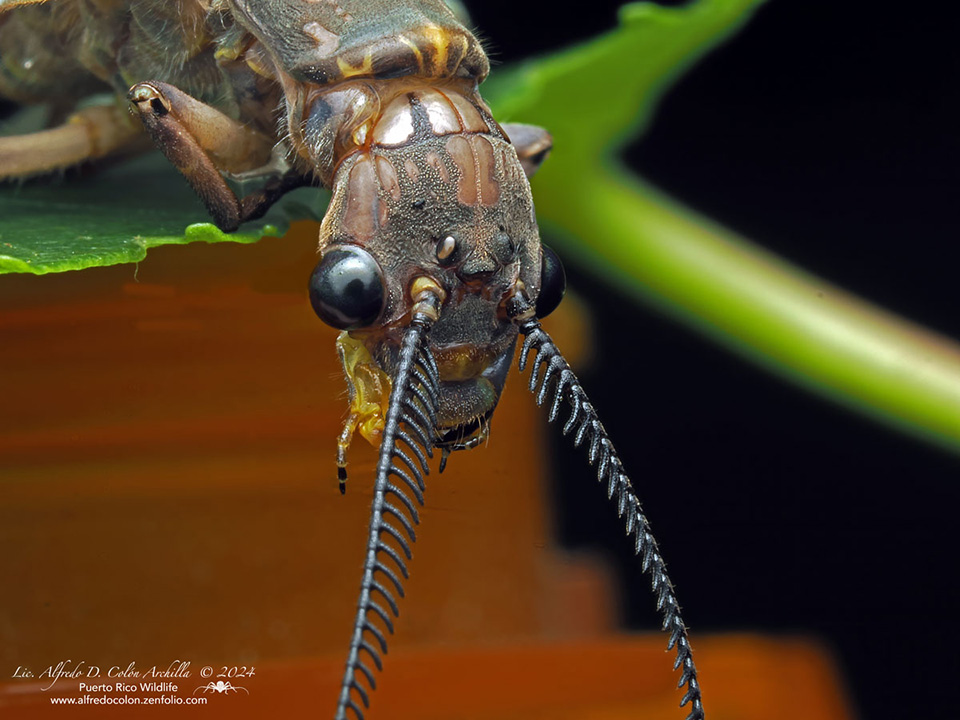
Alfredo Colon uploaded 3 photos of summer fishfly 11/12/2024. |
|
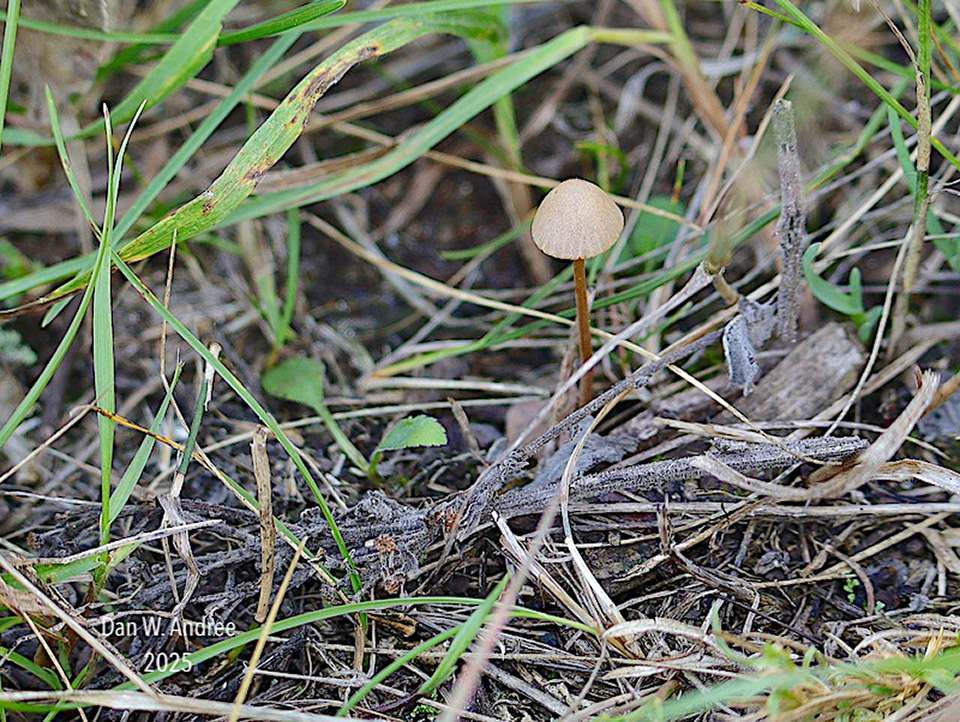
Dan W. Andree uploaded 1 photo of Common Conecap 9/24/2025. |
|
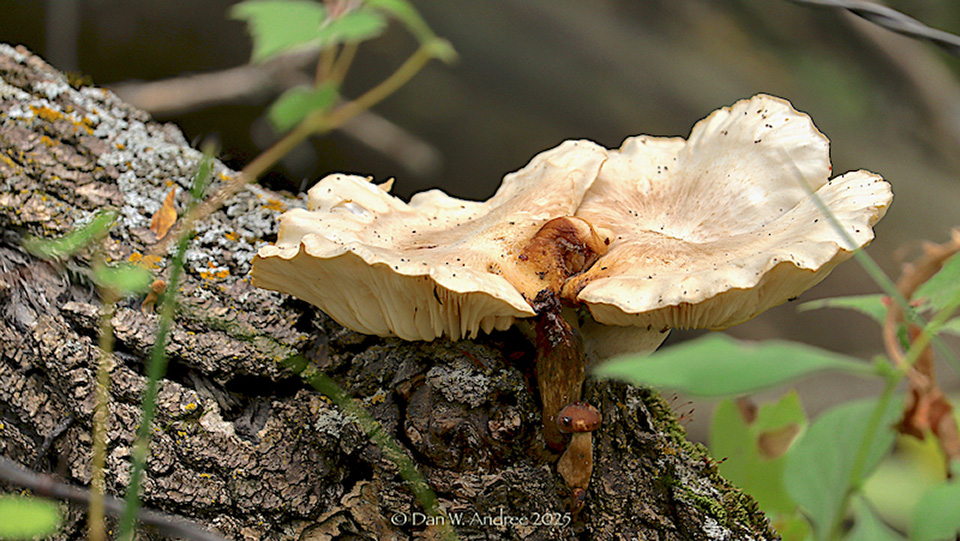
Dan W. Andree uploaded 1 photo of Elm Oyster 9/15/2025. |
|
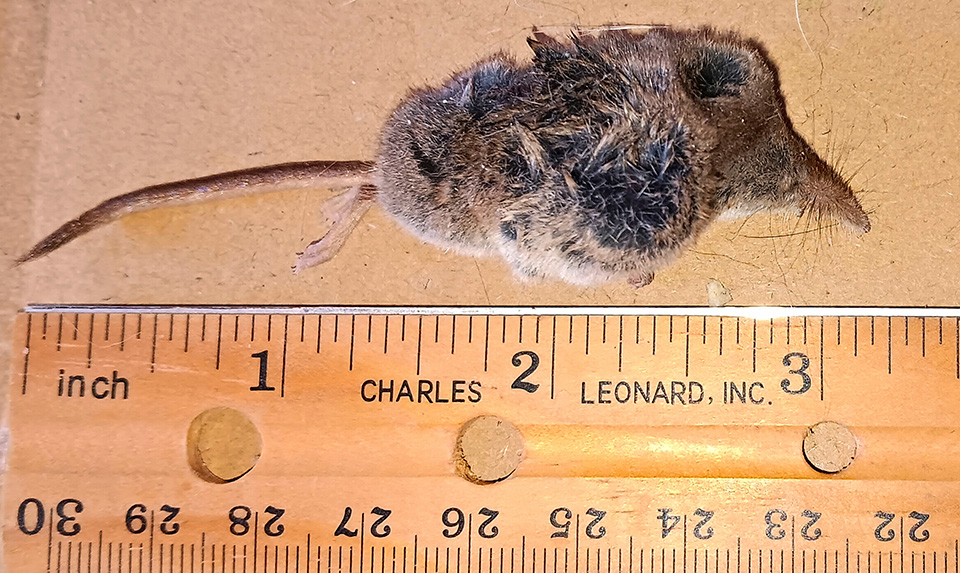
Bill Reynolds uploaded 1 photo of Eastern Pygmy Shrew 12/31/2025. |
|
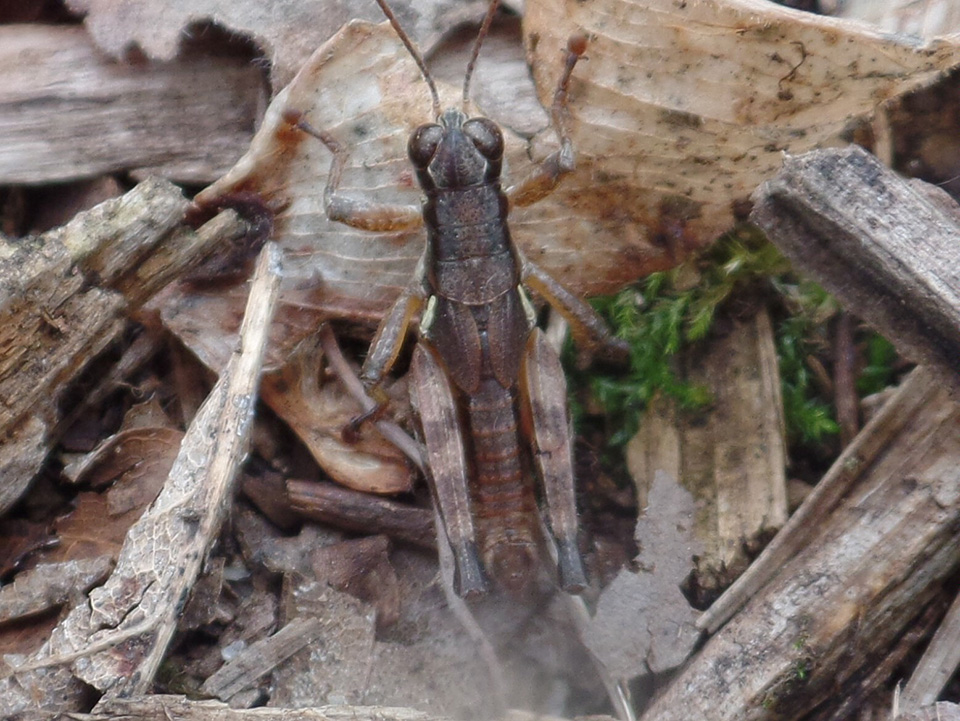
Luciearl uploaded 1 photo of forest locust 9/28/2020. |
|
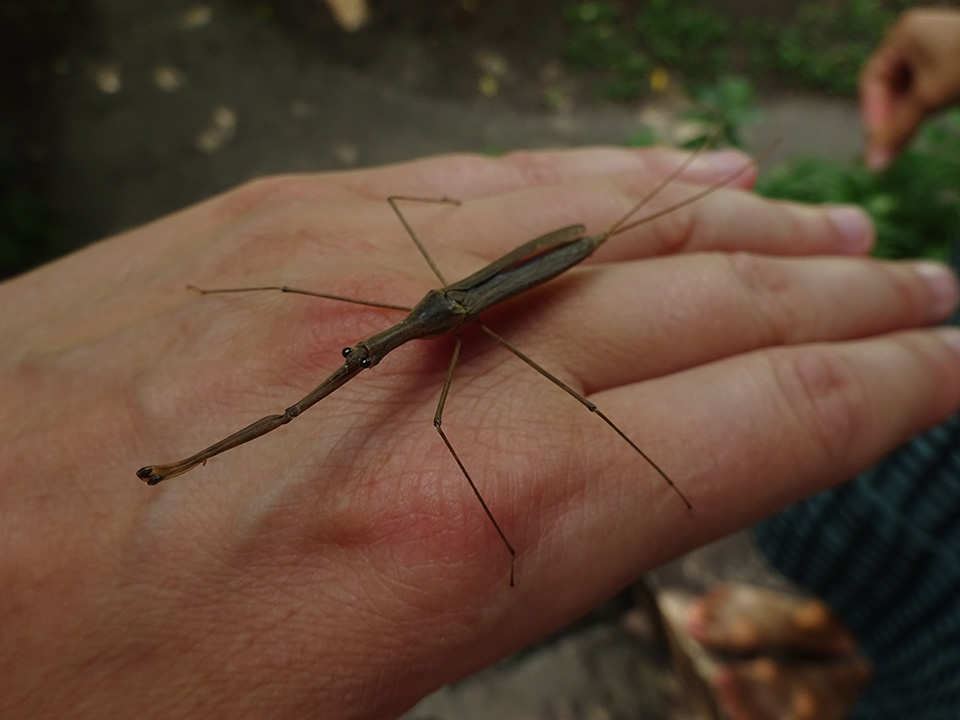
Nicole Rojas-Oltmanns uploaded 3 photos of brown waterscorpion 1/2/2026. |
|
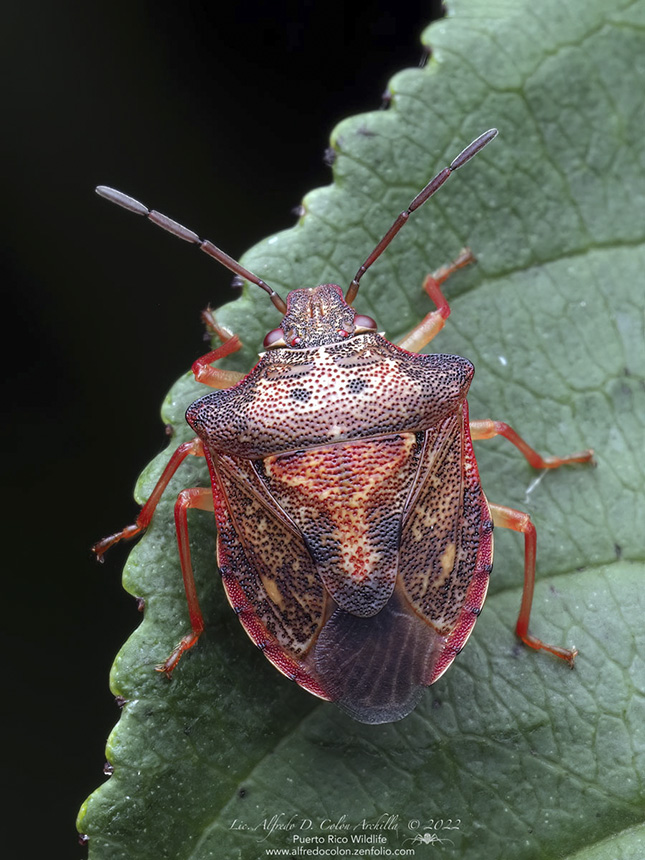
Alfredo Colon uploaded 2 photos of eastern red-rimmed dendrocoris 12/2/2022. |
|
Dan W. Andree uploaded 1 photo of Lumpy Bracket 9/15/2025. |
|
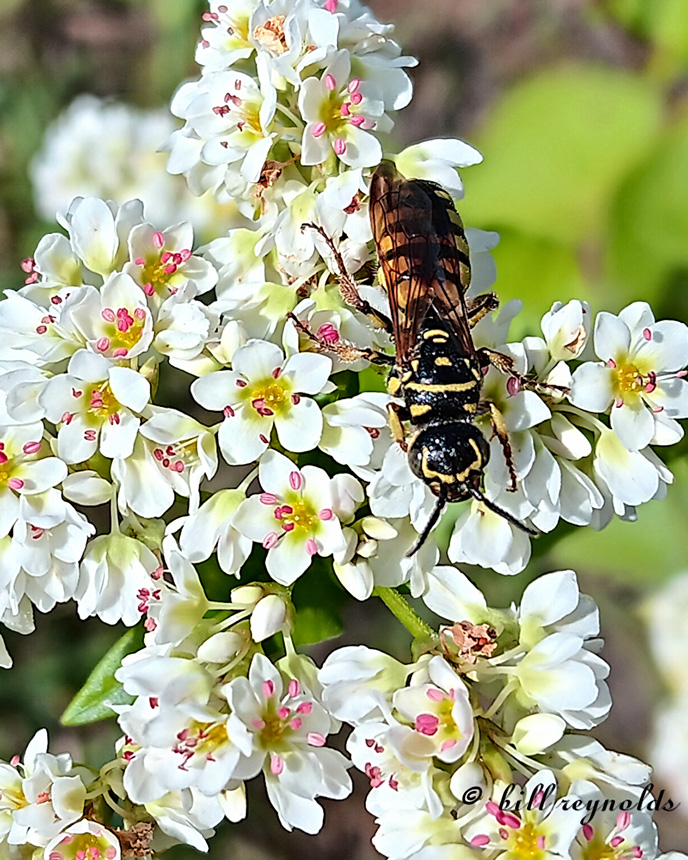
Bill Reynolds uploaded 3 photos of thynnid flower wasp (Myzinum maculatum) 9/7/2025. |
|
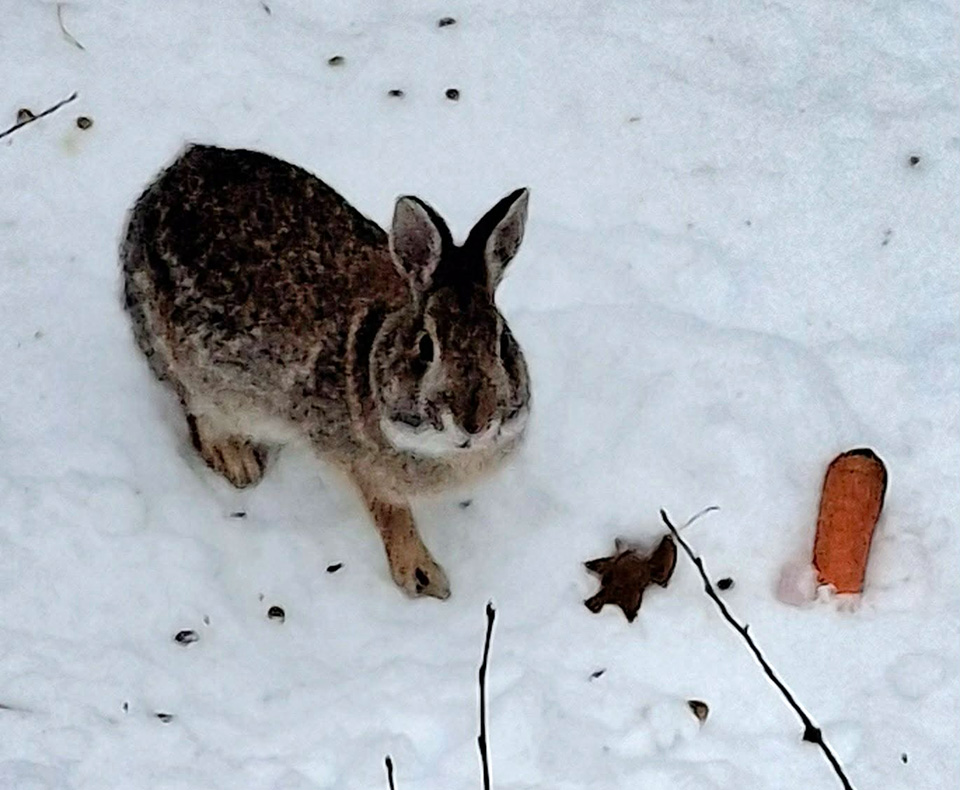
Luciearl uploaded 2 photos of Eastern Cottontail 1/8/2026. |
|
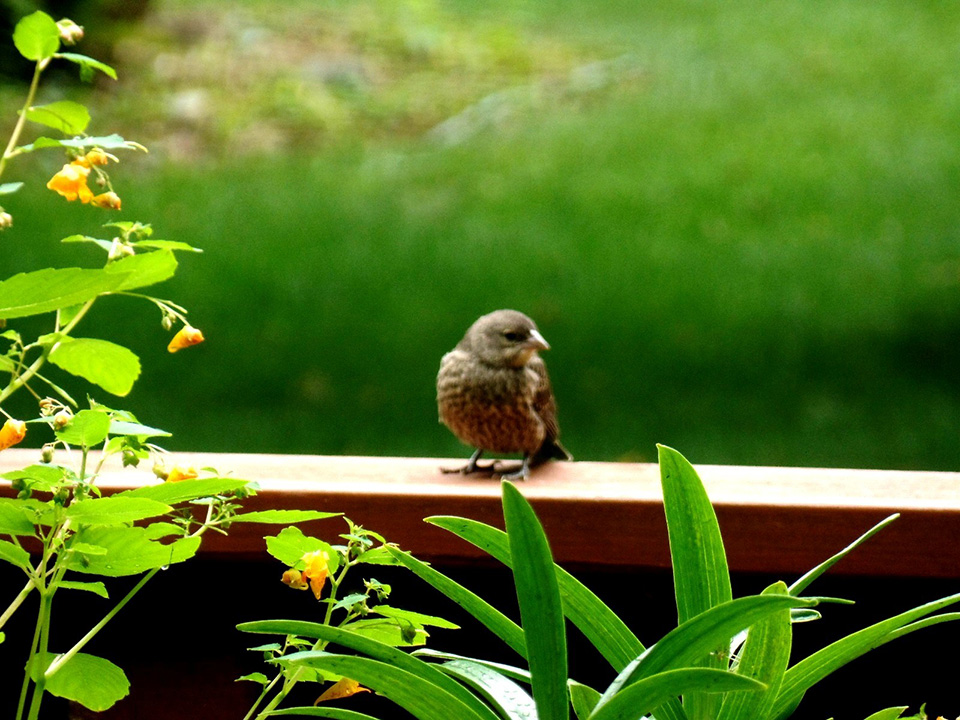
Luciearl uploaded 1 photo of Brown-headed Cowbird 1/8/2026. |
|
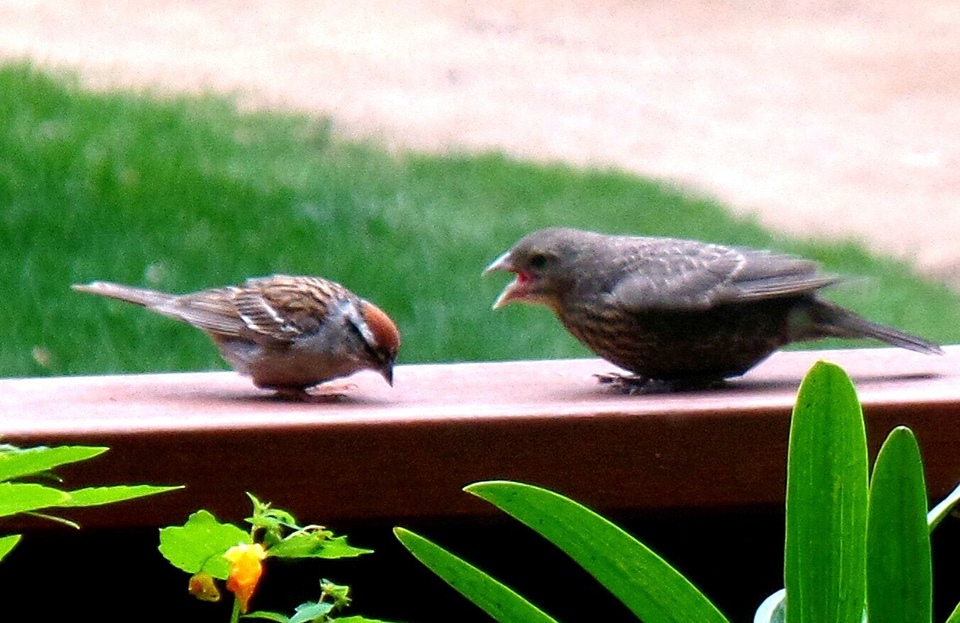
Luciearl uploaded 1 photo of Brown-headed Cowbird and Chipping Sparrow 1/8/2026. |
|
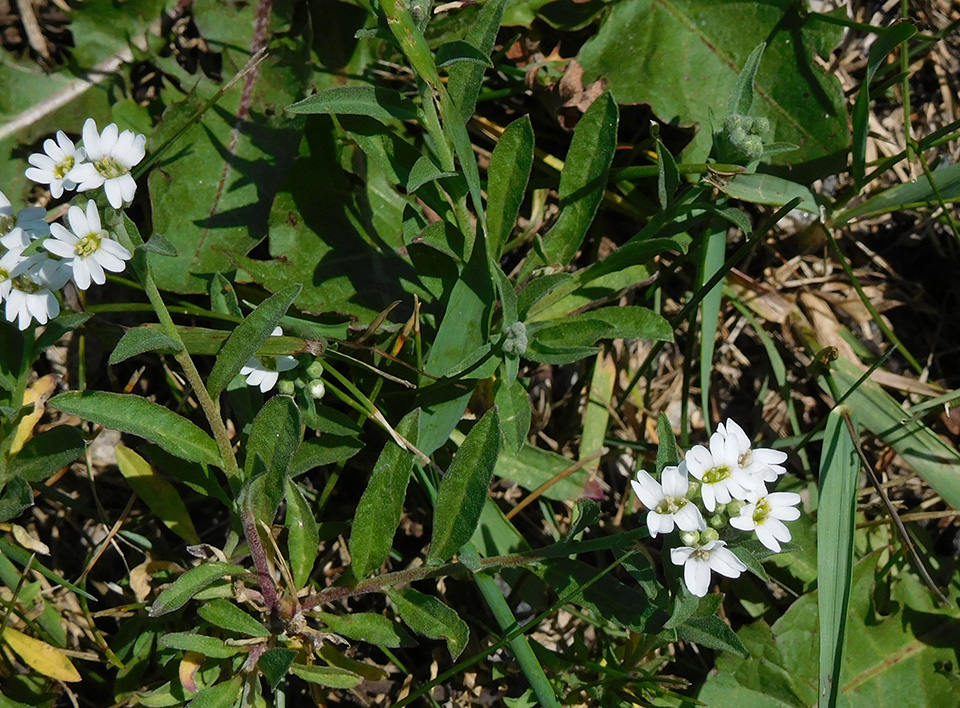
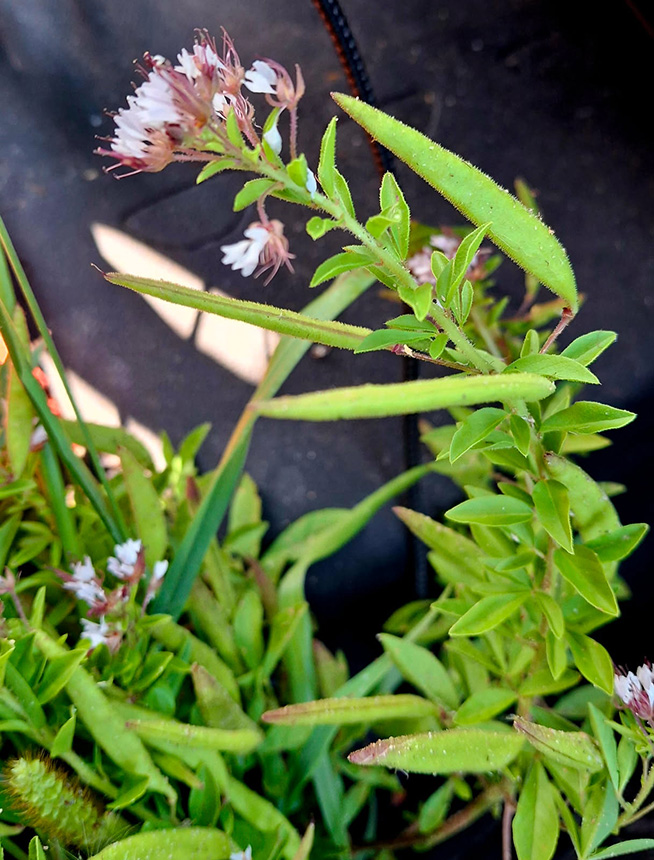
Nancy Lundquist uploaded 1 photo of hoary alyssum 1/8/2026. |
|
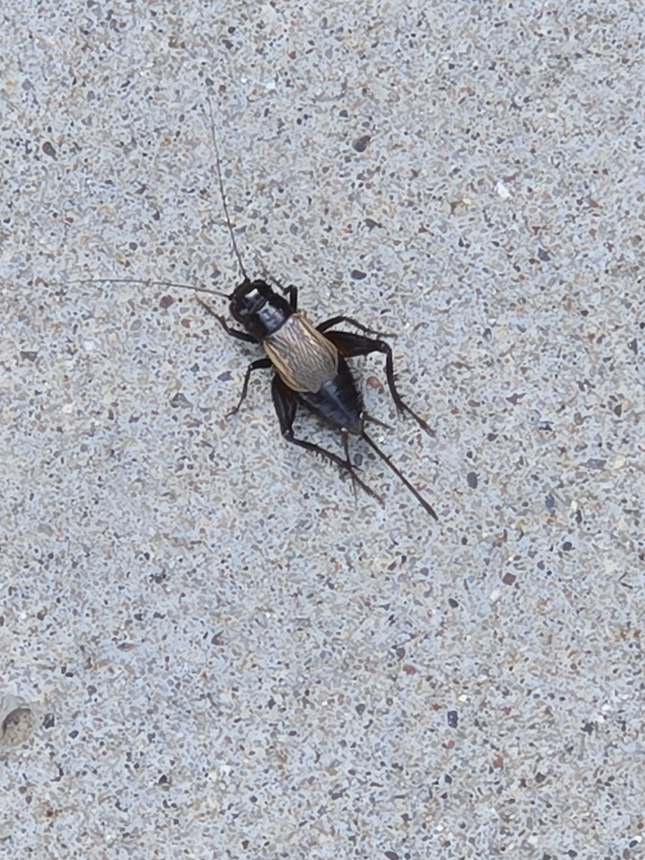
Libi Ackerman uploaded 2 photos of fall field cricket 1/8/2026. |
|
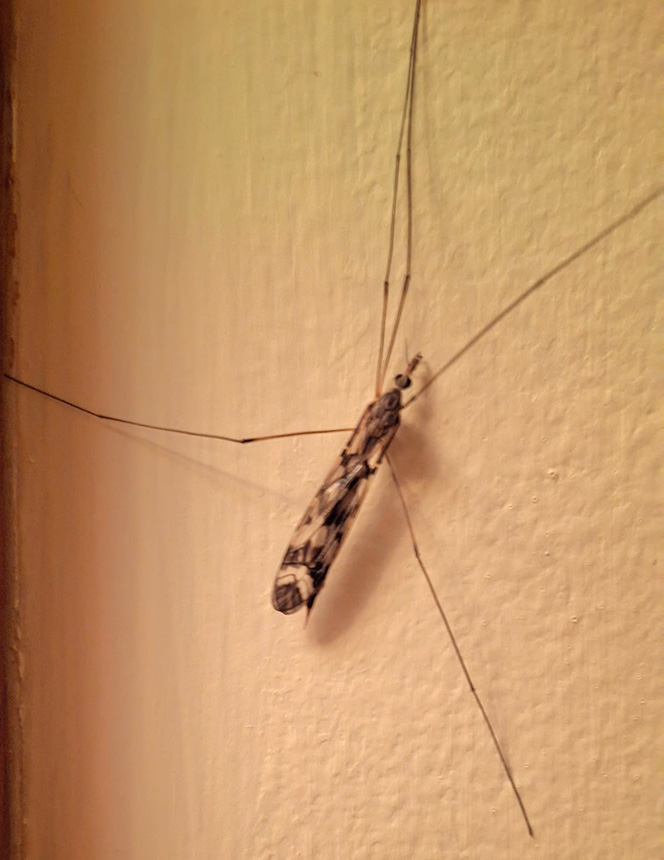
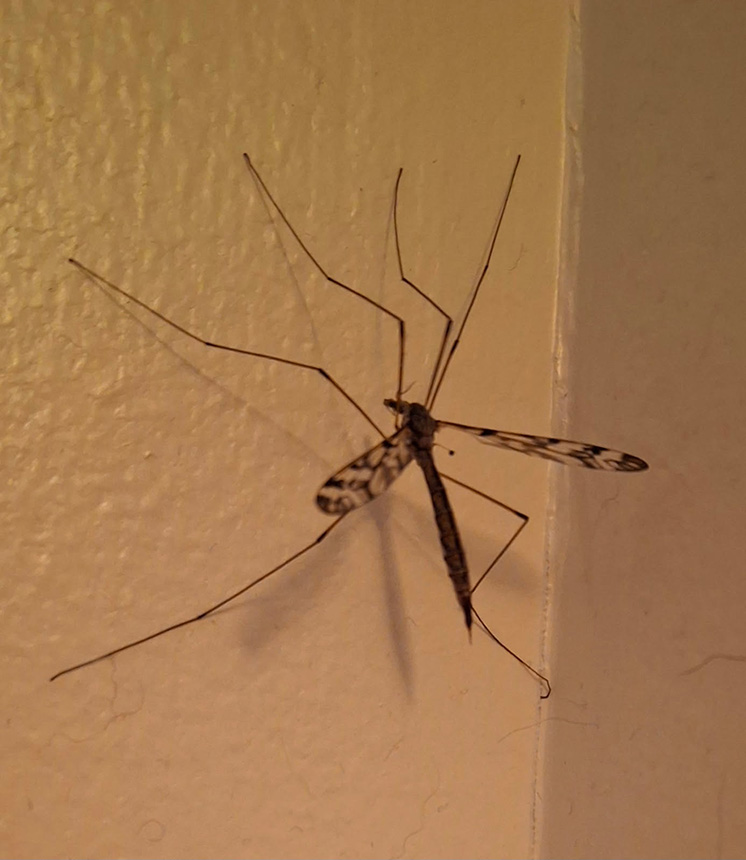
Luciearl uploaded 1 photo of common crane fly (Tipula trivittata) 1/7/2026. |
|
Nancy Falkum uploaded 1 photo of crested wood fern 12/17/2025. |
|
Nancy Falkum uploaded 1 photo of crested wood fern 12/16/2025. |
 |
Luciearl uploaded 2 videos of webbing clothes moth 12/15/2025. |
|
Luciearl uploaded 1 photo of webbing clothes moth 12/15/2025. |
|
Nicole Rojas-Oltmanns uploaded 2 photos of non-biting midge (Chironomus sp.) on rough oxeye 1/2/2026. |
|
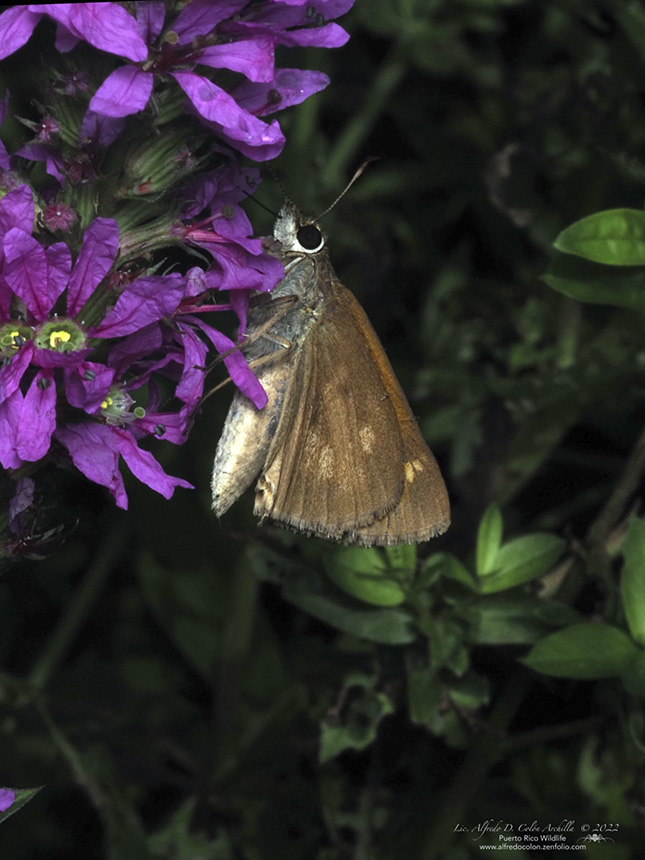
Alfredo Colon uploaded 1 photo of Broad-winged Skipper 12/2/2022. |
|
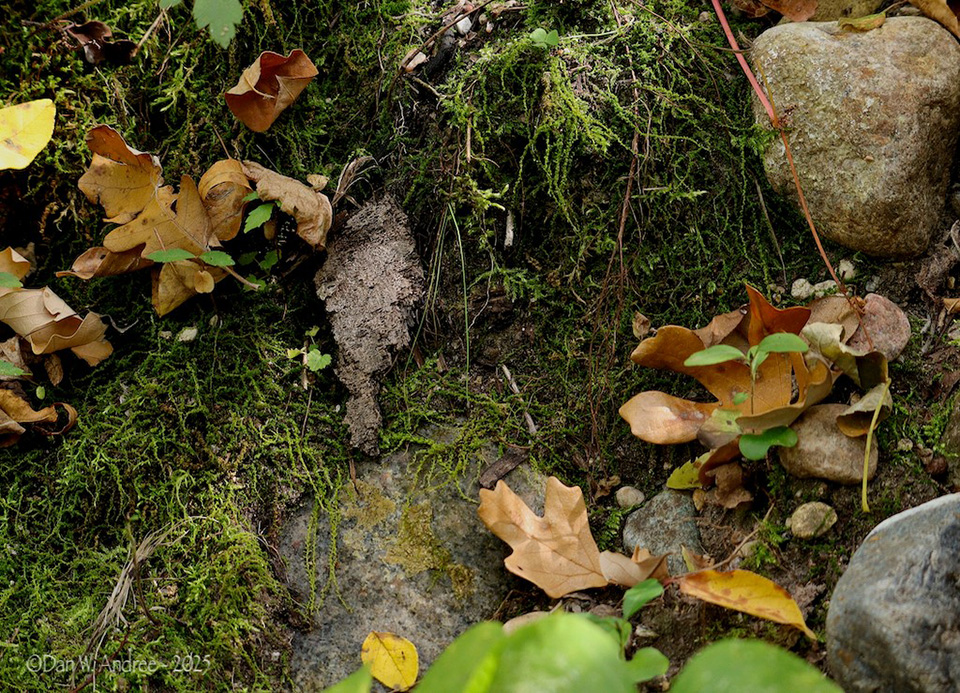
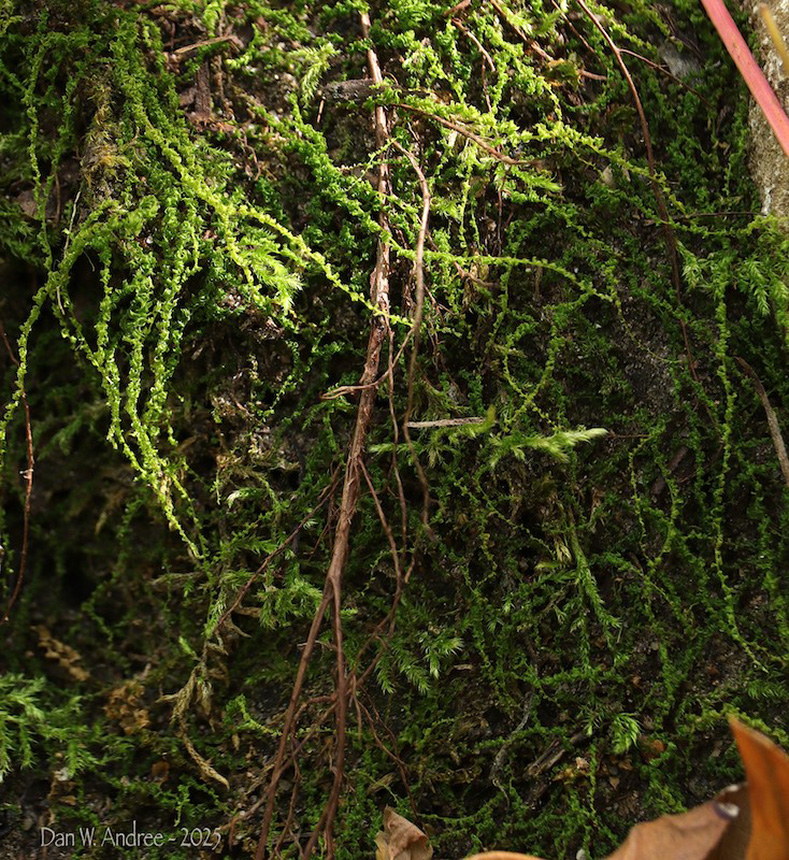
Dan W. Andree uploaded 1 photo of tree-skirt moss 9/16/2025. |
|
Dan W. Andree uploaded 1 photo of tree-skirt moss 9/14/2025. |


December
|
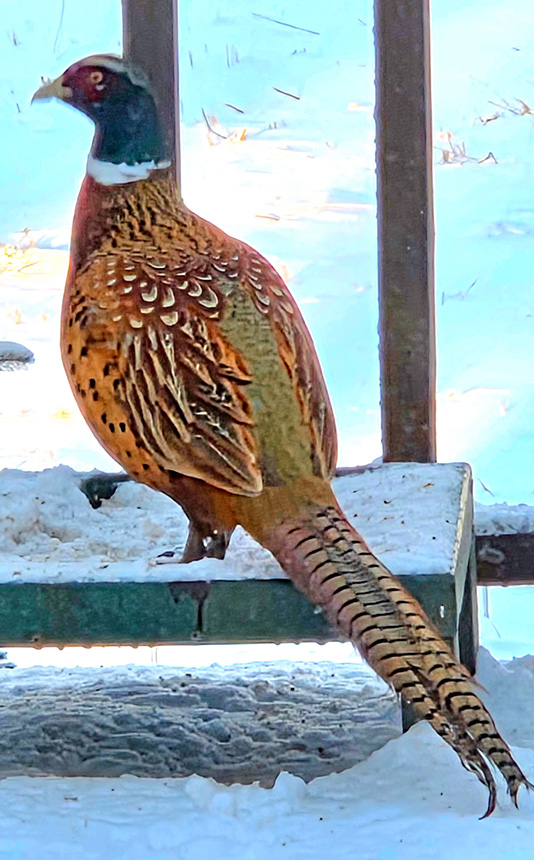
Gregory Gilman uploaded 1 photo of Ring-necked Pheasant 12/29/2025. |
|
|
|
Luciearl uploaded 3 photos of common crane fly (Tipula trivittata) 12/18/2025. |
|
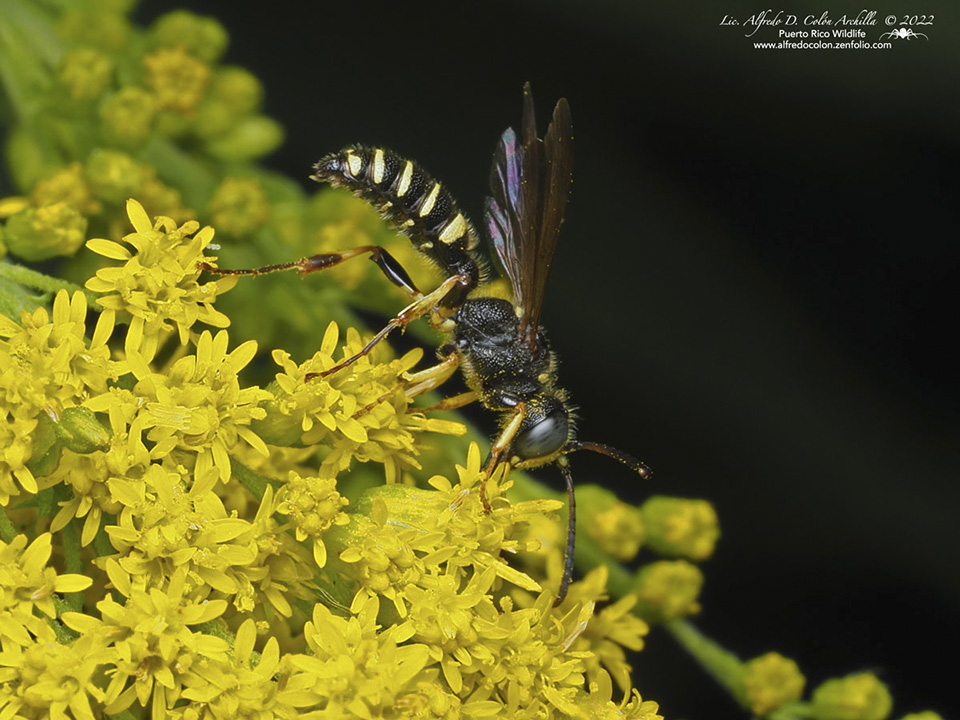
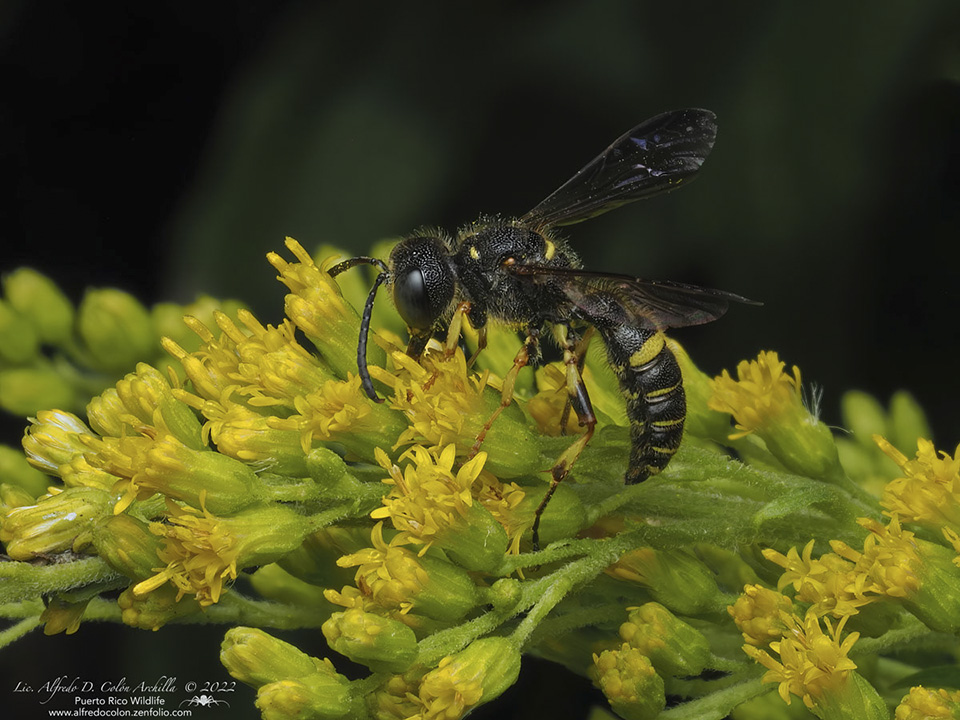
Alfredo Colon uploaded 3 photos of weevil wasp (Cerceris halone) 1/1/2023. |
|
Alfredo Colon uploaded 3 photos of weevil wasp (Cerceris halone) 12/2/2022. |
|
Luciearl uploaded 1 photo of Indian meal moth 12/10/2025. |
|
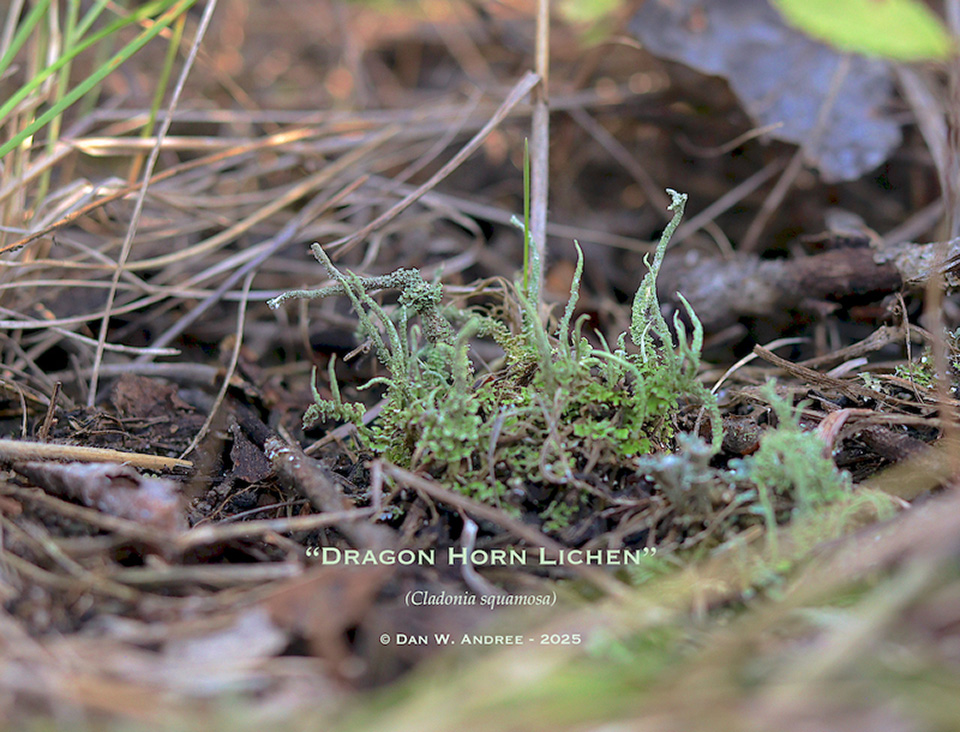
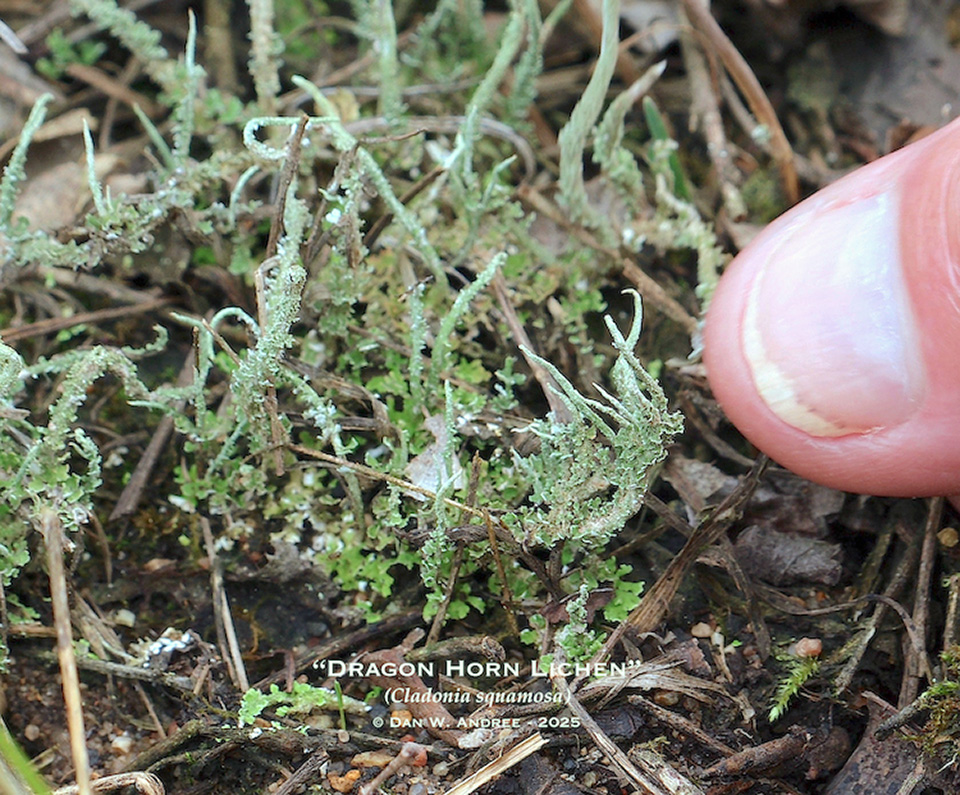
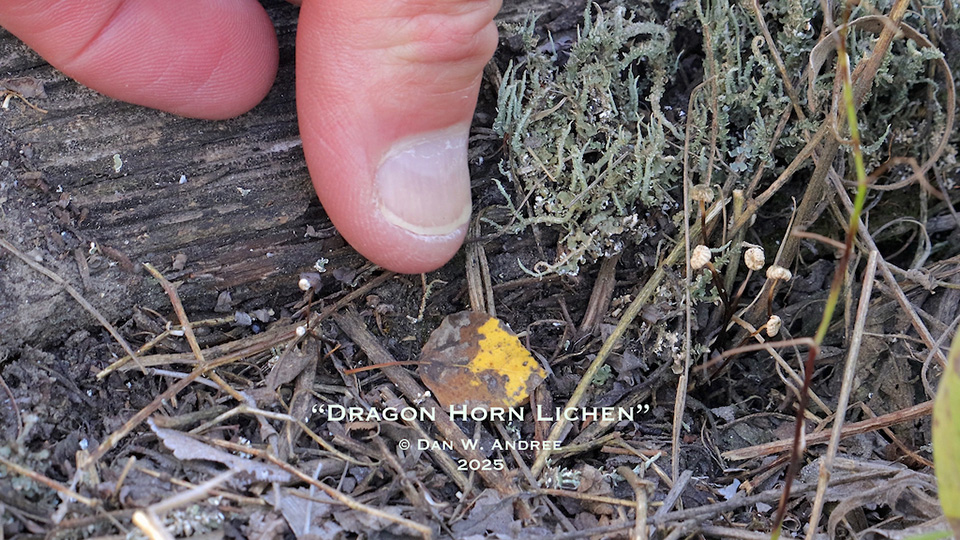
Dan W. Andree uploaded 1 photo of Dragon Horn 11/23/2025. |
|
Dan W. Andree uploaded 1 photo of Dragon Horn 11/22/2025. |
|
Dan W. Andree uploaded 1 photo of Dragon Horn 9/18/2025. |
|
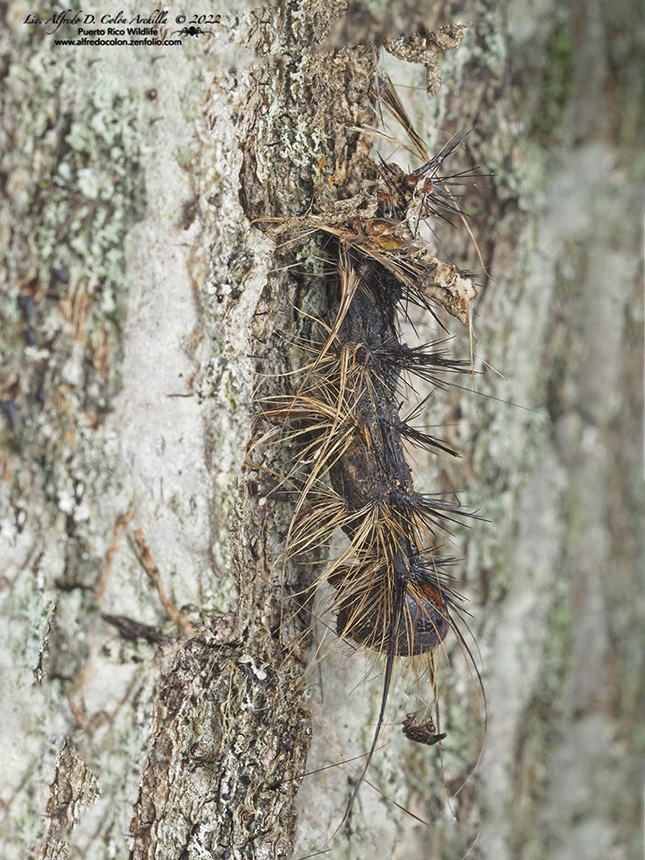
Alfredo Colon uploaded 3 photos of spongy moth infected with the entomopathogenic fungus (Entomophaga maimaiga) 12/2/2022. |
|
Nancy Falkum uploaded 1 photo of Sheepish Pelt Lichen 10/28/2025. |
|
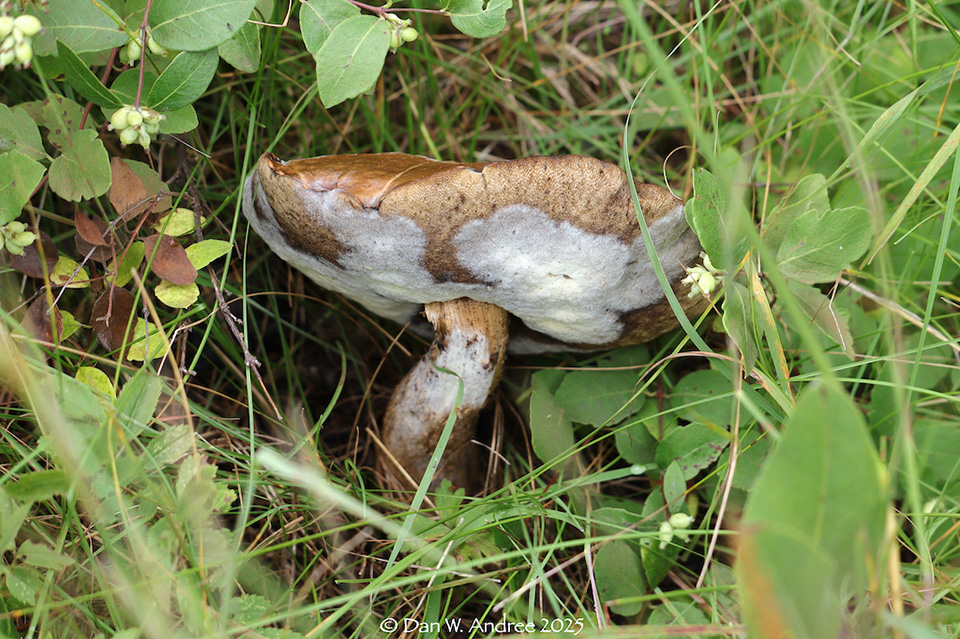
Dan W. Andree uploaded 1 photo of Bolete Eater 8/11/2025. |
|
Bonnie Perron uploaded 1 video of common green darner 12/8/2025. |
|
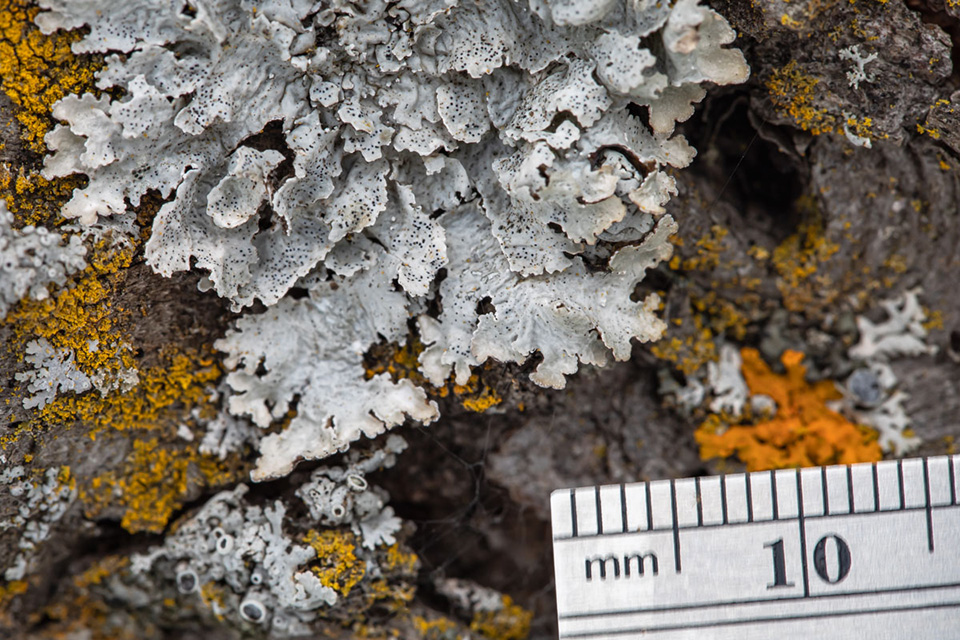
Ray Fraley uploaded 1 photo of American Starburst Lichen and Powdery Sunburst Lichen 12/8/2022. |
|
Ray Fraley uploaded 1 photo of American Starburst Lichen 12/8/2022. |
|
Bobbi Johnson uploaded 1 photo of emperor moths (Subfamily Saturniinae) 11/10/2025. |
|
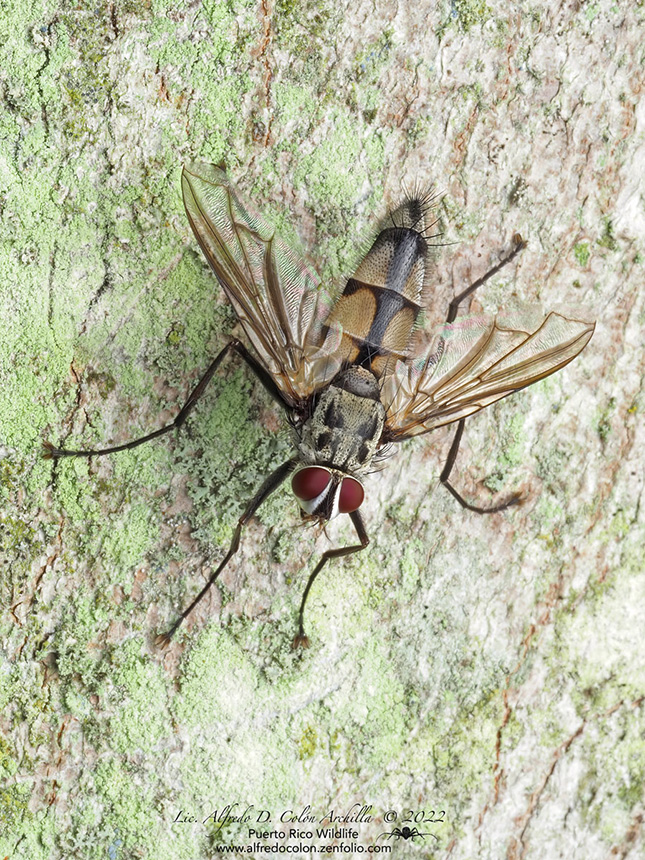
Alfredo Colon uploaded 2 photos of tachinid fly (Zelia vertebrata) 12/2/2022. |
|
Nancy Falkum uploaded 1 photo of Freckled Pelt Lichen 10/28/2025. |
|
Luciearl uploaded 1 photo of redwhisker clammyweed (ssp. dodecandra) 12/3/2025. |
|
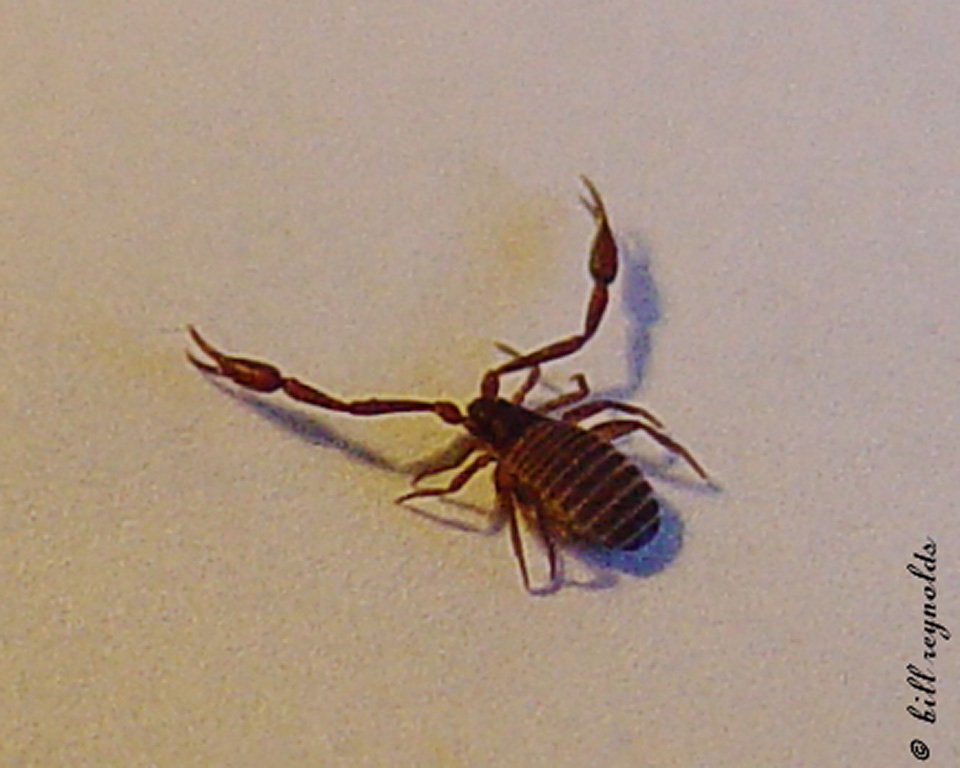
Bill Reynolds uploaded 1 photo of house pseudoscorpion 11/18/2025. |
|
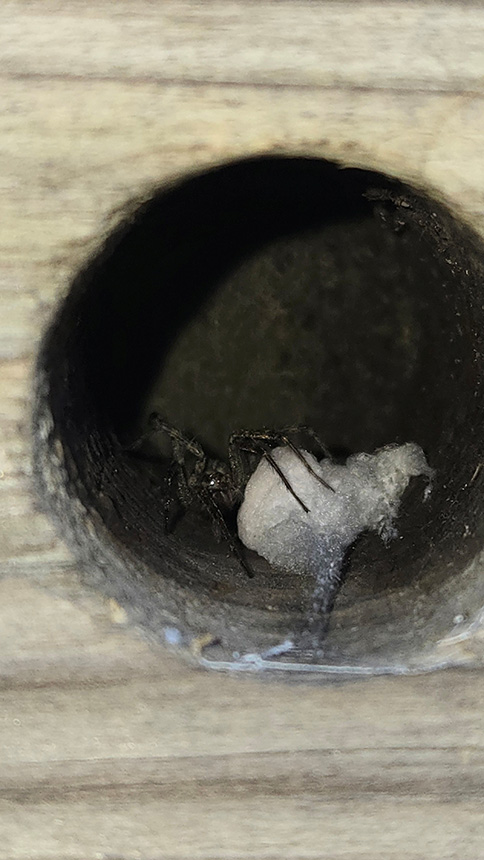
Justin B. uploaded 1 photo of grass spiders (Agelenopsis spp.) 12/1/2025. |

New Pages
January
1/30/2026 |
|
1/26/2026 |
|
1/25/2026 |
Species split: Hoof Fungus (Fomes fomentarius) in North America reclassified as |
1/24/2026 |
|
1/23/2026 |
|
1/22/2026 |
|
1/21/2026 |
|
1/20/2026 |
Common Conecap |
1/19/2026 |
|
1/17/2026 |
Grass Choke Disease (updated) |
1/17/2026 |
Name change: Choke Disease of Grasses (caused by Epichloe typhina) common name changed to Grass Choke Disease |
1/16/2026 |
|
1/15/2026 |
|
1/14/2026 |
|
1/11/2026 |
thynnid flower wasp (Myzinum maculatum) |
1/7/2026 |
Name change: Lithobates clamitans common name changed from Green Frog to North American Green Frog |
1/6/2026 |
|
1/5/2026 |
webbing clothes moth |
1/3/2026 |
|
1/2/2026 |
December
12/29/2025 |
Subspecies elevation: Eastern Milksnake (Lampropeltis triangulum triangulum) elevated to full species status, becoming Eastern Milksnake (Lampropeltis triangulum). |
12/29/2025 |
Name change: Lampropeltis triangulum common name changed from Milksnake to Eastern Milksnake |
12/29/2025 |
Name change: Ambystoma mavortium common name changed from barred tiger salamander to Western Tiger Salamander |
| 12/28/2025 | Name change: Genus Dryophytes common name changed from Ameroasian treefrogs to Holarctic Treefrogs |
| 12/27/2025 | Name change: Lithobates catesbeianus common name changed from American bullfrog to North American Bullfrog |
12/16/2025 |
|
| 12/14/2025 | Species Split: Microtus pennsylvanicus in Minnesota reclassified as western meadow vole (Microtus drummondii). |
12/14/2025 |
Indian meal moth |
| 12/13/2025 | Name change: Sciurus niger common name changed from fox squirrel to eastern fox squirrel |
12/13/2025 |
|
12/12/2025 |
Species Split: Spilogale putorius in Minnesota reclassified as plains spotted skunk (Spilogale interrupta). |
12/11/2025 |
|
12/10/2025 |
|
| 12/7/2025 | |
12/6/2025 |
|
12/5/2025 |
|
12/5/2025 |
Name change: Polanisia dodecandra common name changed from roughseed clammyweed to redwhisker clammyweed |
12/4/2025 |
house pseudoscorpion |
12/3/2025 |
What’s Next
Upcoming Species Pages
1 |
Fan Ramalina (Ramalina sinensis) | Dan W. Andree |
2 |
Como Regional Park | Kirk Nelson |
3 |
common crane fly (Tipula caloptera) |
|
4 |
Red-banded Webcap (Cortinarius armillatus) | Dan W. Andree |
5 |
Silverwood Park | Kirk Nelson |
6 |
Hemlock Varnish Shelf (Ganoderma tsugae) |
|
7 |
Easter Foam (Stereocaulon paschale) | Dan W. Andree |
8 |
horned parasitic cobweaver (Neospintharus trigonum) |
|
9 |
Mealy Pixie Cup (Cladonia chlorophaea) | Dan W. Andree |
10 |
shore spider (Pardosa milvina) |
|
11 |
Common Fieldcap (Agrocybe pediades) | Dan W. Andree |
12 |
black-tailed red sheetweaver (Florinda coccinea) |
|
13 |
Wrinkled Cortinarius (Cortinarius caperatus) |
|
14 |
privet leafhopper (Fieberiella florii) |
|
15 |
violet dancer (Argia fumipennis violacea) |
|
16 |
carrot wasps (Gasteruption spp.) |
|
17 |
lyric cobweaver (Yunohamella lyrica) |
|
18 |
alder spittlebug (Clastoptera obtusa) |
|
19 |
half-belted blue-black spider wasp (Anoplius semicinctus) |
|
20 |
wood nettle gall midge (Dasineura investita) |
|
21 |
common ectemnius (Ectemnius continuus) |
|
22 |
striped sweat bees (Agapostemon spp.) |
|
23 |
chalcidoid wasp (Leucospis affinis) |
|
24 |
assassin bugs (Family Reduviidae) |
|
25 |
dog day cicadas (Neotibicen spp.) |
|
26 |
starry bristle moss (Orthotrichum stellatum) |
|
27 |
crisped pincushion (Ulota crispa) |
|
28 |
pine tree spur-throat grasshopper (Melanoplus punctulatus) |
|
29 |
Speckled Greenshield (Flavopunctelia flaventior) |
|
30 |
Wheeler's thick-legged jumping spider (Admestina wheeleri) |
|
31 |
hybotid dance flies (Tachypeza spp.) |
|
32 |
Hooded Rosette Lichen (Physcia adscendens) |
|
33 |
rough stink bug (Brochymena arborea) |
|
34 |
flea jumping spider (Naphrys pulex) |
|
35 |
hook-toothed money spider (Erigone dentosa) |
|
36 |
crabronid wasps (Tachytes spp.) |
|
37 |
European tube wasp (Ancistrocerus gazella) |
|
38 |
gold-marked thread-waisted wasp (Eremnophila aureonotata) |
|
39 |
rustic wolf spider (Trochosa ruricola) |
|
40 |
European alder spittlebug (Aphrophora alni) |
|
41 |
gall midges (Subfamily Cecidomyiinae) |
|
42 |
fungus (Gibellula pulchra) |
|
43 |
ichneumonid wasps (Glypta spp.) |
|
44 |
triangle weaver (Hyptiotes cavatus) |
|
45 |
miserable mining bee (Andrena miserabilis) |
|
46 |
oribatid mites (Galumna spp.) |
|
47 |
tachinid fly (Gymnoclytia occidua) |
|
48 |
lyre-tipped spreadwing (Lestes unguiculatus) |
|
49 |
bot flies, blow flies, and allies (Superfamily Oestroidea) |
|
50 |
American harlequin (Xanthogramma flavipes) |
|
51 |
oak gall wasps (Tribe Cynipini) |
|
52 |
flat bug (Aradus robustus) |
|
53 |
non-biting midges (Family Chironomidae) |
|
54 |
tortricid leafroller moths (Family Tortricidae) |
|
55 |
non-biting midge (Psectrotanypus dyari) |
|
56 |
unequal cellophane bee (Colletes inaequalis) |
|
57 |
rufous-backed cellophane bee (Colletes rufocinctus) |
|
58 |
contrasted long-jawed spider (Tetragnatha straminea) |
|
59 |
winter midge (Diamesa mendotae) |
|
60 |
oblique-banded pond fly (Sericomyia chrysotoxoides) |
|
61 |
yellow-haired falsehorn (Temnostoma balyras) |
|
62 |
lump-legged swamp fly (Anasimyia chrysostoma) |
|
63 |
mountain ash sawfly (Pristiphora geniculata) |
|
64 |
leafhopper (Macropsis basalis) |
|
65 |
rust fly (Loxocera cylindrica) |
|
66 |
black-headed ash sawfly (Tethida barda) |
|
67 |
treehopper (Archasia belfragei) |
|
68 |
gray pug moth (Eupithecia subfuscata) |
|
69 |
large clover casebearer moth (Coleophora trifolii) |
|
70 |
Brown-staining Cheese Polypore (Fuscopostia fragilis) |
|
71 |
scarlet plant bugs (Lopidea spp.) |
|
72 |
rose plume moth (Cnaemidophorus rhododactyla) |
|
73 |
red-lipped lacewing (Chrysoperla rufilabris) |
|
74 |
dusky-banded leafwalker (Chalcosyrphus nemorum) |
|
75 |
chalcidid wasps (Conura side complex) |
|
76 |
fragile forktail (Ischnura posita) |
|
77 |
lance flies (Lonchaea spp.) |
|
78 |
distinct quaker (Achatia distincta) |
|
79 |
snipe fly (Chrysopilus proximus) |
|
80 |
black locust treehopper (Vanduzea arquata) |
|
81 |
New York scalewort (Frullania eboracensis) |
|
82 |
purplish stylus money spider (Styloctetor purpurescens) |
|
83 |
banded olethreutes moth (Olethreutes fasciatana) |
|
84 |
yellow-spotted webworm moth (Anageshna primordialis) |
|
85 |
low-horned wrinkleheads (Chrysogaster spp.) |
|
86 |
spotted cobweaver (Thymoites unimaculatus) |
|
87 |
short-winged Darwin wasp (Agrothereutes abbreviatus) |
|
88 |
common sawflies (Subfamily Nematinae) |
|
89 |
ichneumonid wasps (Subfamily Campopleginae) |
|
90 |
Nebraska harvestman (Leiobunum ventricosum) |
|
91 |
braconid wasps (Spathius spp.) |
|
92 |
Newman’s mathildana moth (Mathildana newmanella) |
|
93 |
limoniid crane fly (Gnophomyia tristissima) |
|
94 |
twigsitters (Holopogon spp.) |
|
95 |
treehopper (Telamona decorata) |
|
96 |
dung fly (Cordilura varipes) |
|
97 |
limoniid crane fly (Antocha saxicola) |
|
98 |
brown lacewings (Micromus spp.) |
|
99 |
grape plume moth (Geina periscelidactylus) |
|
100 |
northern eudeilinia moth (Eudeilinia herminiata) |
|
101 |
variegated midget (Elaphria versicolor) |
|
102 |
clastopterid spittlebugs (Clastoptera spp.) |
|
103 |
spotted cuckoo spider wasp (Ceropales maculata) |
|
104 |
green cloverworm moth (Hypena scabra) |
|
105 |
ichneumonid wasps (Euceros spp.) |
|
106 |
predatory stink bug (Podisus brevispinus) |
|
107 |
buffalo treehoppers and allies (Tribe Ceresini) |
|
108 |
white long-legged cobweaver (Theridion albidum) |
|
109 |
hairy poplar sawfly (Cladius grandis) |
|
110 |
dwarf spiders (Subfamily Erigoninae) |
|
111 |
olethreutine leafroller moths (Olethreutes spp.) |
|
112 |
hairy-eyed mimic (Mallota posticata) |
|
113 |
rhododendron leafhopper (Graphocephala fennahi) |
|
114 |
dusky mucksucker (Orthonevra pulchella) |
|
115 |
picture-winged fly (Callopistromyia strigula) |
|
116 |
moth mullein (Verbascum blattaria) |
|
117 |
sidewalk mites (Balaustium spp.) |
|
118 |
large crane flies (Dolichopeza spp.) |
|
119 |
house fly (Eudasyphora cyanicolor) |
|
120 |
cow vetch (Vicia cracca) |
|
121 |
chalcidoid wasps (Oodera spp.) |
|
122 |
two-spotted tree cricket (Neoxabea bipunctata) |
|
123 |
snipe fly (Chrysopilus modestus) |
|
124 |
narrow-winged tree cricket (Oecanthus niveus) |
|
125 |
wild pansy (Viola tricolor) |
|
126 |
limoniid crane fly (Erioptera chlorophylla) |
|
127 |
rice leaf bug (Trigonotylus caelestialium) |
|
128 |
four-toothed mason wasp (Monobia quadridens) |
|
129 |
sawflies, horntails, and wood wasps (Suborder Symphyta) |
|
130 |
slender-footed jewel beetle (Spectralia gracilipes) |
|
131 |
imported willow leaf beetle (Plagiodera versicolora) |
|
132 |
three-ribbed soldier beetle (Podabrus tricostatus) |
|
133 |
guided soldier beetle (Rhagonycha recta) |
|
134 |
wide-horned soldier beetle (Polemius laticornis) |
|
135 |
soldier beetles (Rhagonycha spp.) |
|
136 |
Pennsylvania flea beetle (Disonycha pensylvanica) |
|
137 |
mourning fire-colored beetle (Pedilus lugubris) |
|
138 |
bronze darkling beetle (Arthromacra aenea) |
|
139 |
common brown click beetle (Athous haemorrhoidalis) |
|
140 |
fraternal darkling beetle (Mycetochara fraterna) |
|
141 |
golden loosestrife beetle (Neogalerucella pusilla) |
|
142 |
featherlegged orbweaver (Uloborus glomosus) |
|
143 |
||
144 |
||
145 |
||
|
|
|
|
short-collared soldier beetle (Podabrus brevicollis) | John Valo |
confederate violet (Viola sororia f. priceana) |
John Valo | |
|
swamp rose mallow (Hibiscus moscheutos) |
John Valo |
|
Newfoundland Chanterelle (Cantharellus enelensis) |
John Valo |
|
jewel bug (Homaemus aeneifrons) | John Valo |